Embarking on a fitness journey can be both exciting and overwhelming. With countless workout options and schedules available, it can be challenging to figure out the best plan for you. Creating a fitness schedule tailored to your goals, lifestyle, and preferences is crucial for long-term success.
In this comprehensive guide, we will explore everything you need to know about designing a personalized fitness schedule that works for you.
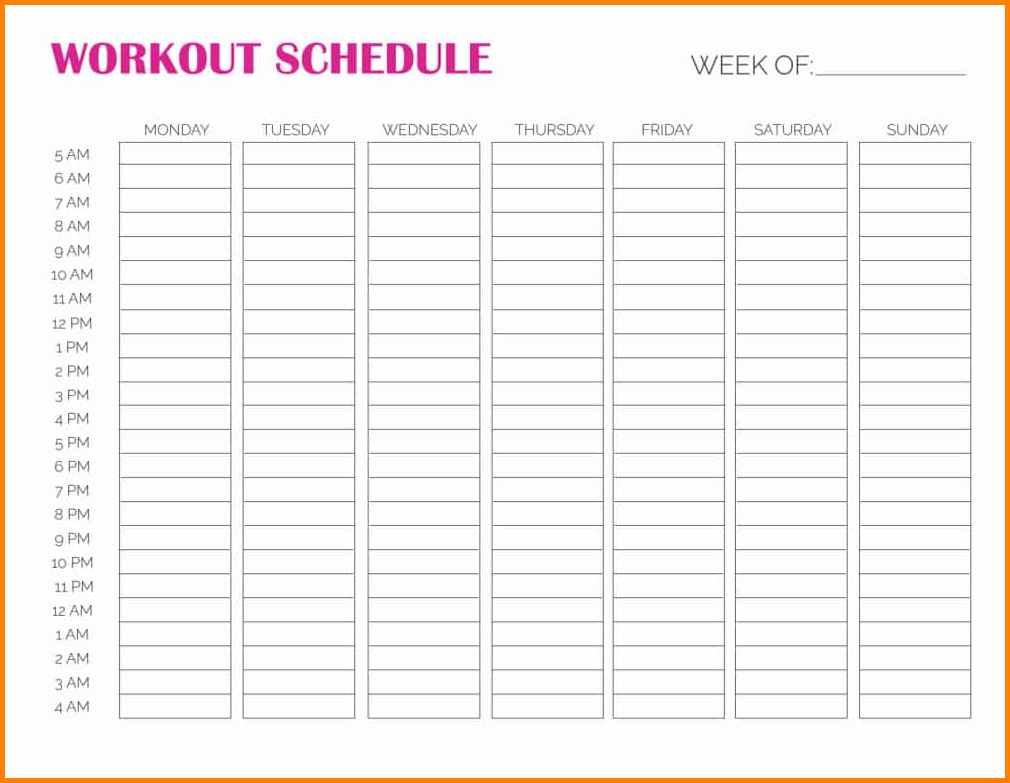
What is a Fitness Schedule?
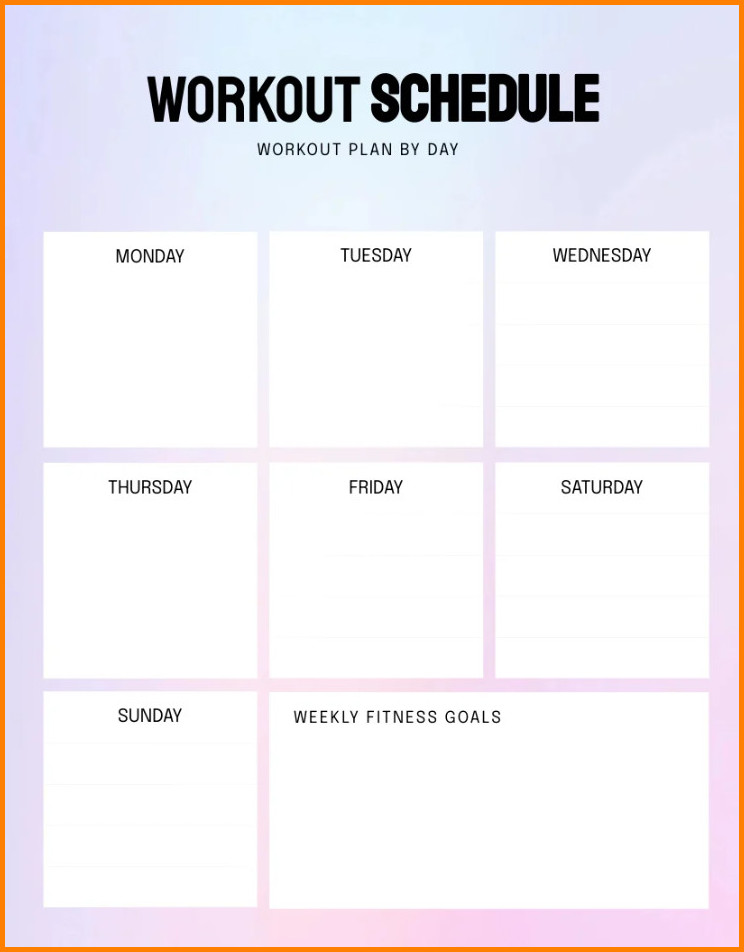
A fitness schedule is a structured plan that outlines your workout routines, activities, and rest days throughout the week. It helps you stay organized, motivated, and accountable to your fitness goals. Whether you are a beginner looking to establish a consistent workout routine or a seasoned athlete aiming to optimize performance, a well-designed fitness schedule is essential for progress.
Why Create a Fitness Schedule?
Having a fitness schedule offers numerous benefits to your physical and mental well-being. Here are some reasons why creating a fitness schedule is advantageous:
1. Accountability: A set schedule keeps you accountable and committed to your workouts.
2. Consistency: Regular exercise is key to seeing progress and achieving your fitness goals.
3. Efficiency: A structured plan helps you make the most of your time in the gym or during workouts.
4. Progress Tracking: Monitoring your workouts allows you to track your progress and make necessary adjustments.
5. Balanced Routine: A well-planned schedule ensures you incorporate a variety of exercises to target different muscle groups.
6. Improved Motivation: Seeing your progress and sticking to a schedule can boost your motivation and confidence.
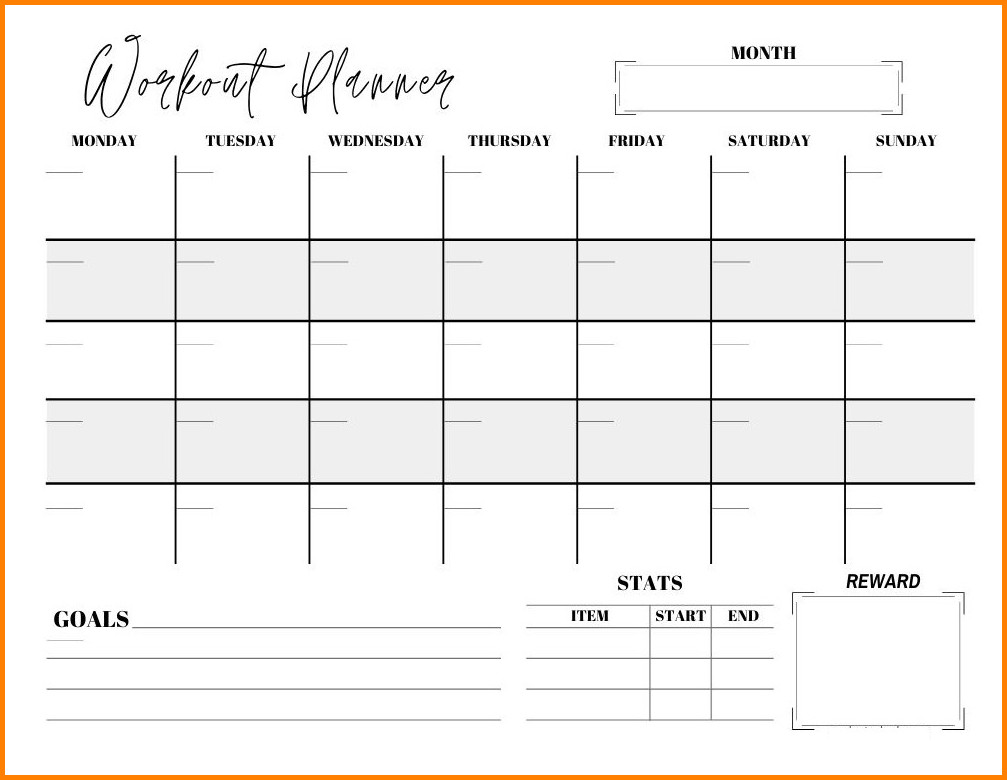
What to Include in Your Fitness Schedule
When creating a fitness schedule, it is essential to consider several key components to ensure a well-rounded and effective plan. Here are some elements to include in your fitness schedule:
– Workout Goals: Define your fitness goals, whether it’s weight loss, muscle gain, improved endurance, or overall health.
– Exercise Selection: Choose a mix of cardiovascular, strength training, flexibility, and functional exercises.
– Frequency: Determine how many days per week you will work out and schedule rest days for recovery.
– Duration: Plan the length of each workout session based on your fitness level and goals.
– Intensity: Incorporate a mix of high-intensity and low-intensity workouts to challenge your body in different ways.
– Warm-Up and Cool Down: Include time for proper warm-up and cool-down exercises to prevent injury and aid recovery.
– Progression: Gradually increase the intensity or volume of your workouts to continue challenging your body.
– Variety: Keep your routine engaging by trying new exercises, classes, or outdoor activities.
– Flexibility: Allow for adjustments in your schedule to accommodate unexpected events or changes in your routine.
How to Create a Fitness Schedule
Designing a fitness schedule that suits your lifestyle and goals requires some planning and organization. Here are steps to help you create a personalized fitness schedule:
1. Assess Your Current Fitness Level: Determine your fitness baseline to set realistic goals and choose appropriate exercises.
2. Define Your Fitness Goals: Whether it’s losing weight, building muscle, improving flexibility, or enhancing performance, clarify your objectives.
3. Choose Your Workout Activities: Select a variety of exercises that align with your goals and interests, such as running, weightlifting, yoga, or group classes.
4. Set a Weekly Schedule: Determine how many days per week you can commit to working out and allocate specific times for each session.
5. Balance Your Routine: Include a mix of cardiovascular, strength training, flexibility, and rest days to prevent overtraining and promote recovery.
6. Track Your Progress: Keep a workout journal or use fitness apps to monitor your workouts, progress, and any adjustments needed.
7. Listen to Your Body: Pay attention to how your body responds to workouts and adjust your schedule accordingly to avoid burnout or injury.
8. Stay Flexible: Be willing to make changes to your schedule as needed, considering factors like work commitments, travel, or social events.
Tips for Maintaining a Fitness Schedule
Creating a fitness schedule is just the first step; sticking to it requires dedication and consistency. Here are some tips to help you maintain your fitness schedule and stay on track:
– Set Realistic Goals: Start with achievable goals and gradually increase the intensity or duration of your workouts.
– Find a Workout Buddy: Partnering with a friend or joining group classes can provide motivation and accountability.
– Reward Yourself: Celebrate your progress and milestones with non-food rewards to stay motivated.
– Prioritize Recovery: Allow time for rest, proper nutrition, and sleep to support your body’s recovery and repair.
– Stay Positive: Focus on the progress you’ve made rather than setbacks, and remember that consistency is key to long-term success.
– Mix It Up: Keep your workouts exciting by trying new activities, classes, or outdoor workouts to prevent boredom.
– Seek Professional Guidance: Consider working with a personal trainer or fitness coach to create a customized workout plan and receive expert guidance.
By following these tips and guidelines, you can create a fitness schedule that fits your lifestyle, goals, and preferences. Remember that consistency, dedication, and patience are essential on your fitness journey. Start today and reap the benefits of a well-planned fitness schedule.
