Freelancing has become a popular way of working in today’s gig economy. As a freelancer, you have the flexibility to work on your own terms, choose your projects, and set your own schedule. However, working as a freelancer also comes with its own set of challenges, one of which is creating and managing freelance contracts.
In this comprehensive guide, we will walk you through everything you need to know about freelance contracts, from what they are to what to include, and how to create one that protects both you and your clients.
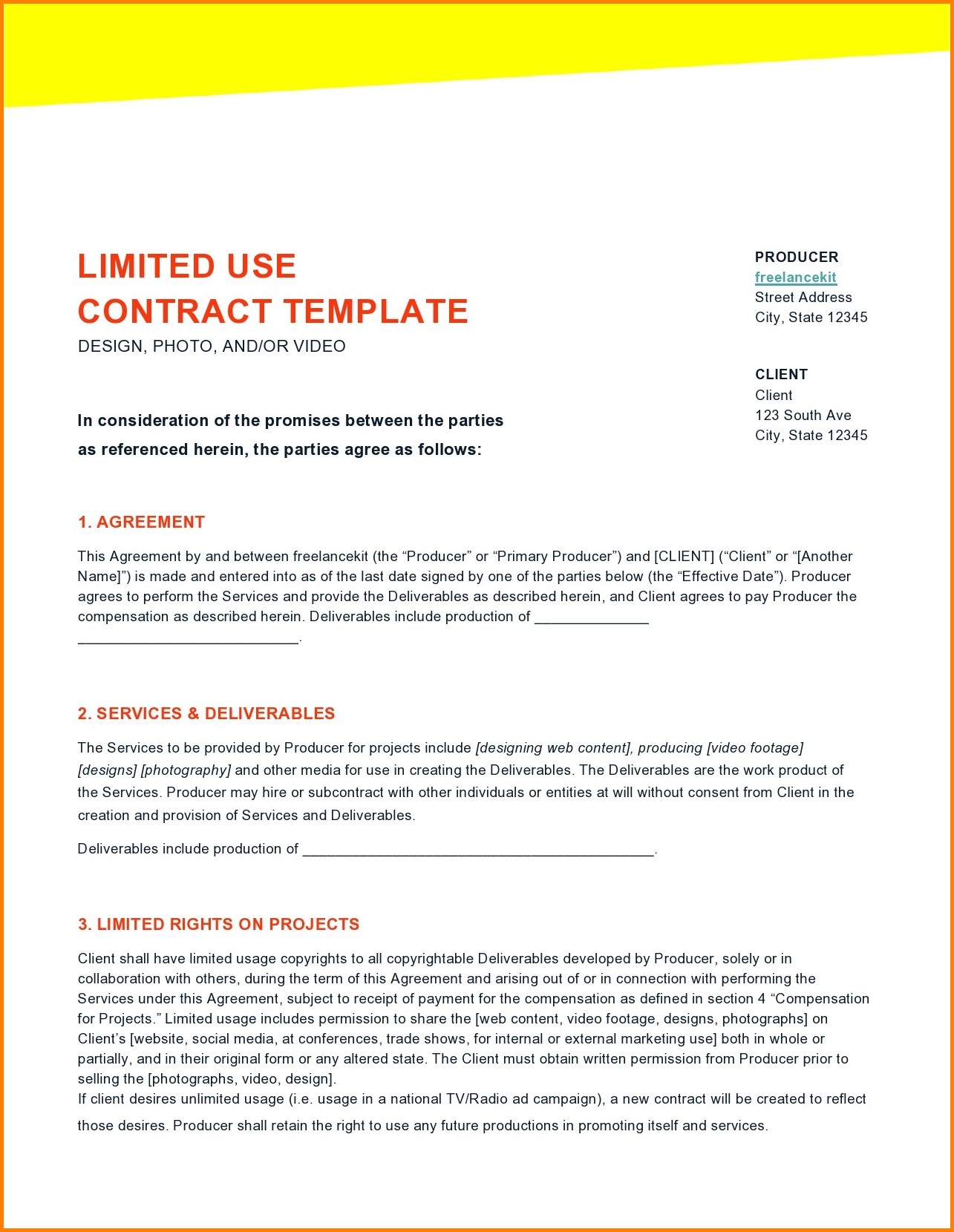
What is a Freelance Contract?
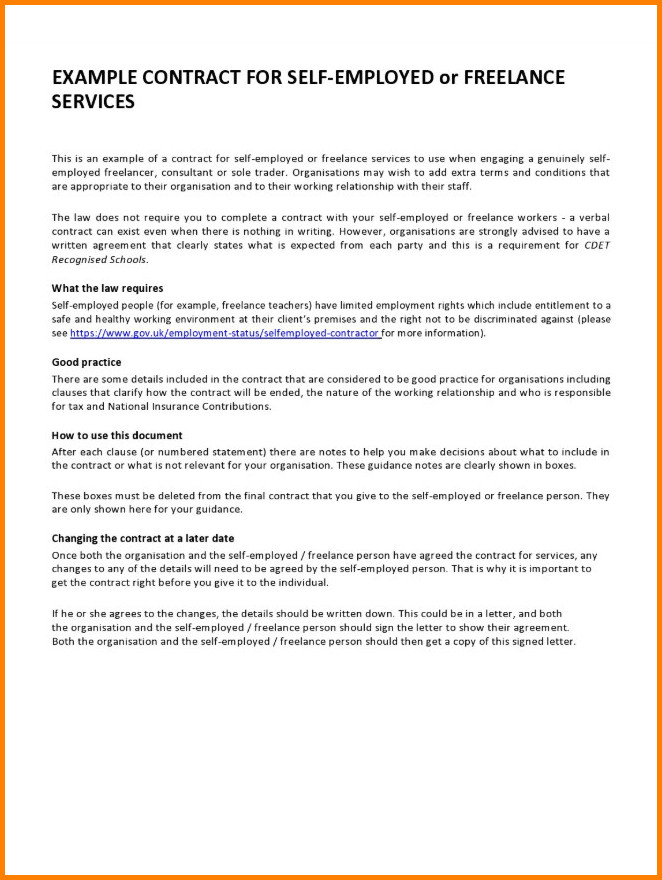
A freelance contract is a legal agreement between a freelancer and a client that outlines the terms of their working relationship. It serves as a binding document that specifies the scope of work, payment terms, deadlines, and any other important details related to the project. Freelance contracts are essential for protecting both parties involved and ensuring that the project runs smoothly and according to plan.
Why Freelance Contracts are Important
Freelance contracts are crucial for several reasons:
- Legal Protection: A well-written contract can protect both parties in case of disputes or disagreements.
- Clarity: Contracts help clarify the scope of work, project timelines, and payment terms, reducing any misunderstandings.
- Professionalism: Having a contract in place shows that you are a professional freelancer who takes your work seriously.
- Security: Contracts provide security for both freelancers and clients by outlining expectations and responsibilities.
- Payment Guarantee: Contracts ensure that freelancers will be paid for their work and that clients will receive the deliverables they paid for.
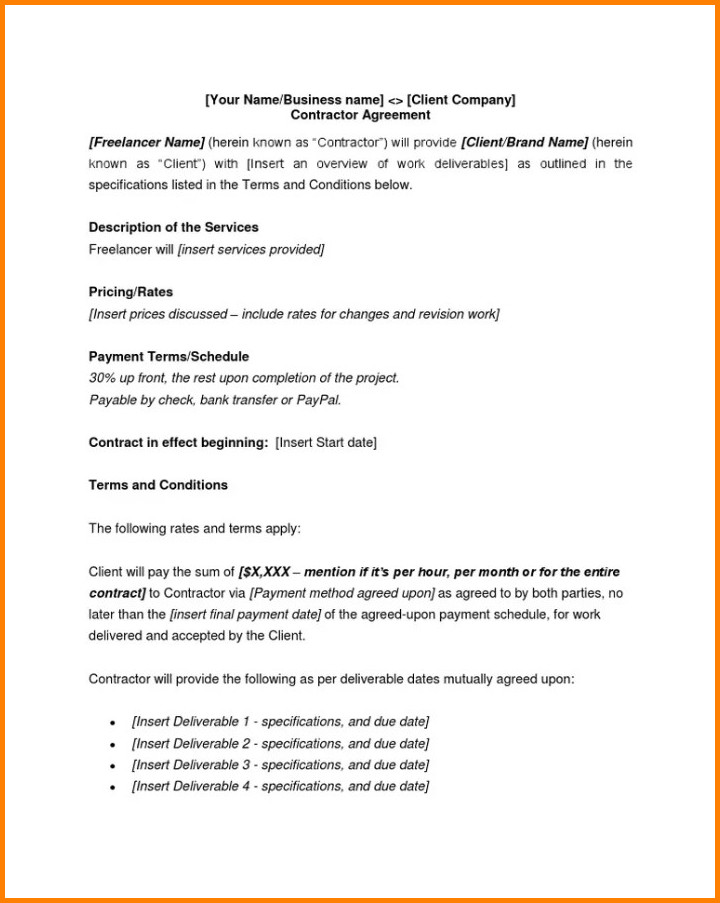
What to Include in a Freelance Contract
When creating a freelance contract, several key elements should be included:
- Names and Contact Information: Include the full names and contact details of both the freelancer and the client.
- Scope of Work: Clearly define the project scope, including deliverables, milestones, and deadlines.
- Payment Terms: Outline the payment schedule, rates, and any other financial details related to the project.
- Intellectual Property Rights: Specify who owns the rights to the work created during the project.
- Confidentiality Agreement: Include a clause that protects confidential information shared during the project.
- Termination Clause: Outline the conditions under which either party can terminate the contract.
- Indemnity Clause: Specify each party’s responsibilities and liabilities in case of breaches or legal issues.
- Dispute Resolution: Include a section on how disputes will be resolved, such as through mediation or arbitration.
- Governing Law: Specify which state or country’s laws will govern the contract.
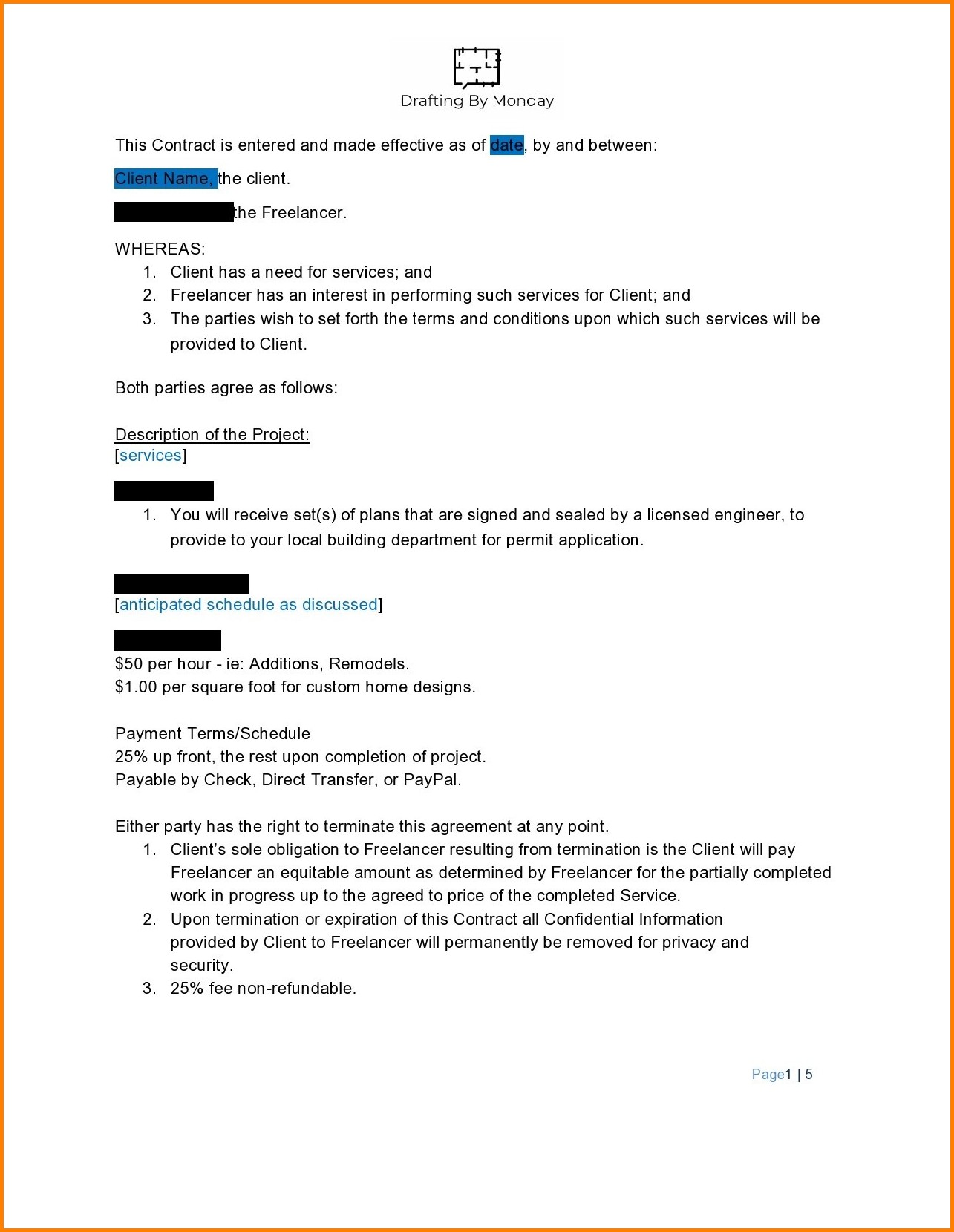
How to Create a Freelance Contract
Creating a freelance contract doesn’t have to be complicated. Follow these steps to draft a solid agreement:
- Start with a Template: Use a freelance contract template as a starting point and customize it to fit your specific project.
- Define the Project Scope: Clearly outline the scope of work, including deliverables, timelines, and any other project details.
- Set Payment Terms: Specify your rates, payment schedule, and any late fees or penalties for missed payments.
- Include Legal Clauses: Add clauses on intellectual property rights, confidentiality, termination, indemnity, and dispute resolution.
- Review and Revise: Go over the contract with your client to ensure that both parties are in agreement and make any necessary revisions.
- Sign the Contract: Once both parties are satisfied with the terms, sign the contract to make it legally binding.
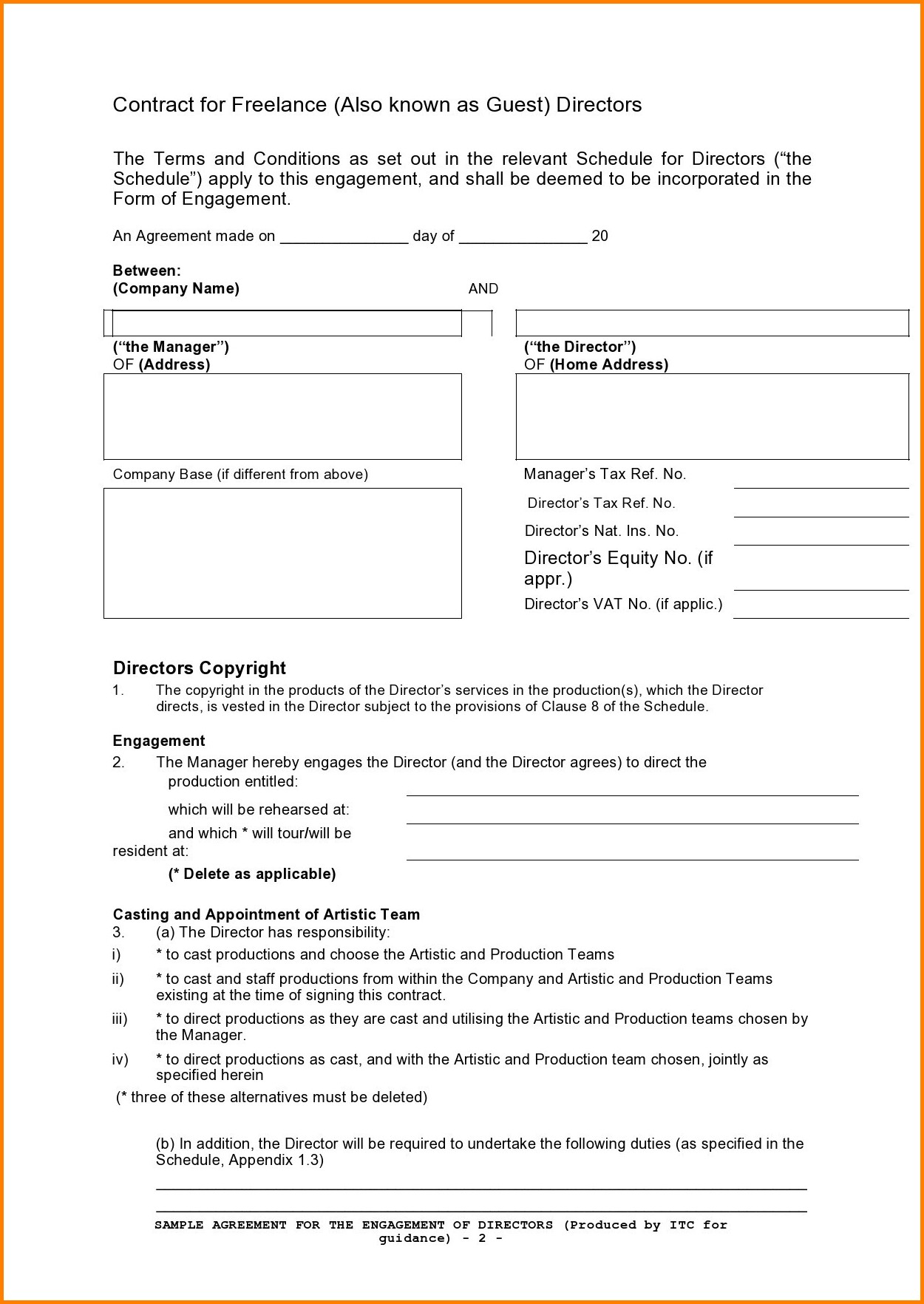
Tips for Freelance Contracts
Here are some additional tips for creating effective freelance contracts:
- Be Clear and Specific: Use clear language and avoid ambiguity to prevent misunderstandings.
- Consult a Lawyer: If you’re unsure about any legal terms or clauses, seek advice from a lawyer.
- Keep Records: Keep copies of all contracts and communications related to the project for future reference.
- Communicate Effectively: Keep an open line of communication with your client throughout the project to address any issues promptly.
- Update Contracts Regularly: Review and update your contract templates regularly to reflect changes in your business or industry.
- Get Feedback: After completing a project, ask for feedback from your client to improve your future contracts.
- Protect Yourself: Don’t be afraid to enforce the terms of your contract if the client doesn’t fulfill their obligations.
Conclusion
Freelance contracts are essential for protecting both freelancers and clients in today’s gig economy. By clearly outlining the terms of the working relationship, including the scope of work, payment terms, and legal clauses, freelancers can ensure a smooth and successful project experience. Remember to always communicate openly with your clients, seek legal advice when needed, and update your contracts regularly to stay protected and professional in your freelance career.
