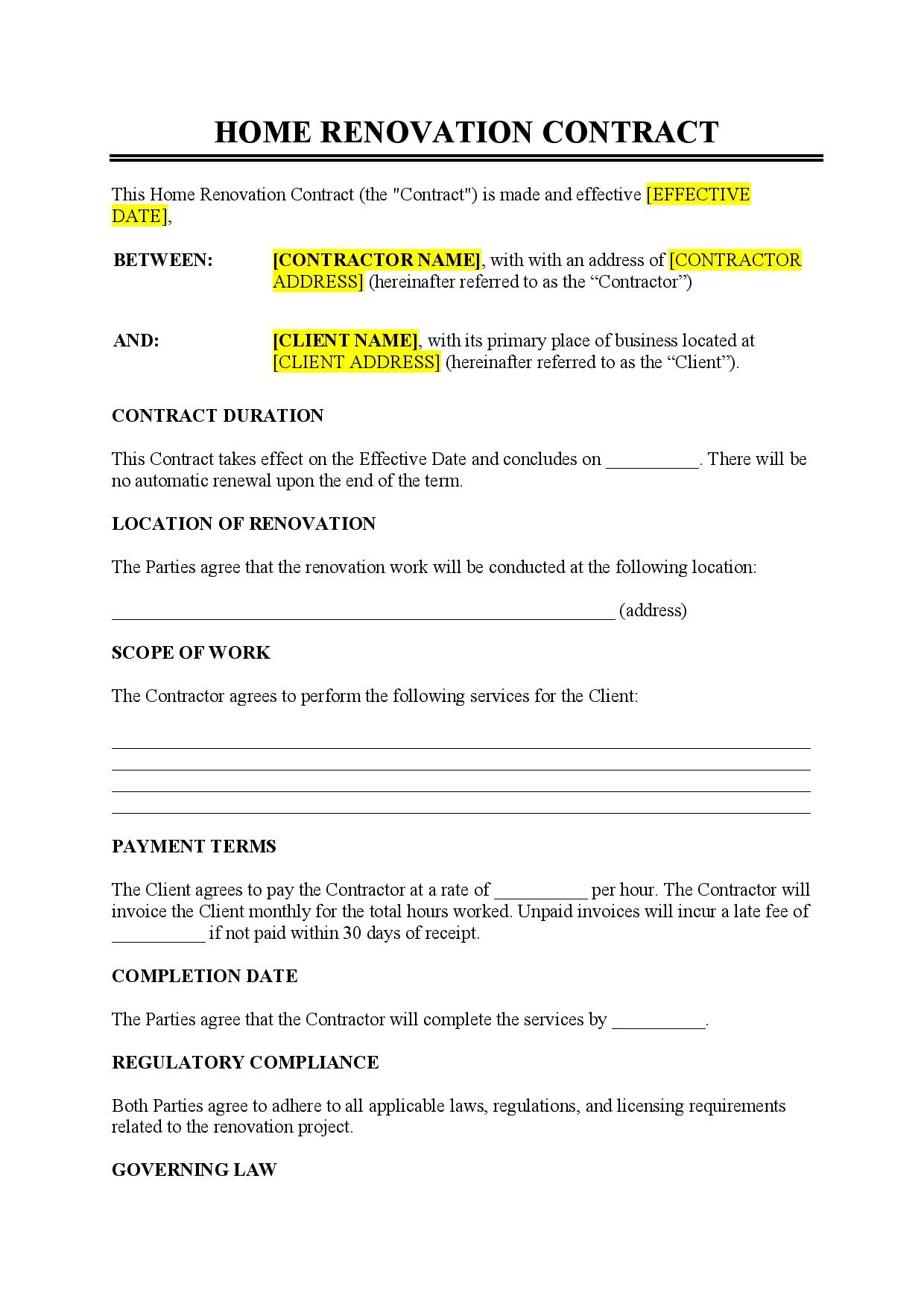
When it comes to home improvement projects, having a solid contract in place is crucial. A home improvement contract outlines the details of the project, including the scope of work, timeline, materials to be used, and payment terms. It serves as a legal agreement between the homeowner and the contractor, ensuring that both parties are on the same page throughout the project.
What is a Home Improvement Contract?
A home improvement contract is a legally binding agreement between a homeowner and a contractor. It outlines the responsibilities of both parties, the scope of work to be completed, the timeline for the project, and the payment terms. Having a contract in place helps protect both the homeowner and the contractor in case any disputes arise during the course of the project.
Why is a Home Improvement Contract Important?
Having a home improvement contract in place is essential for several reasons. Firstly, it ensures that both parties are clear on the details of the project, reducing the likelihood of misunderstandings or disputes. Secondly, a contract provides legal protection for both the homeowner and the contractor in case issues arise. Finally, a contract helps ensure that the project stays on track and is completed in a timely manner.
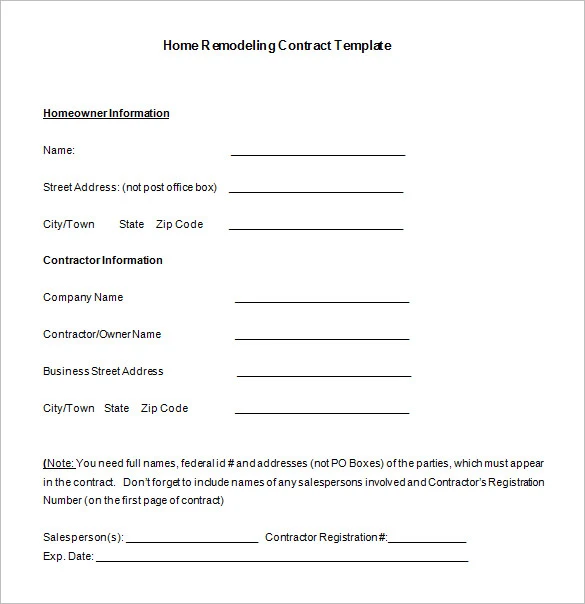
What to Include in a Home Improvement Contract
When drafting a home improvement contract, there are several key elements that should be included to protect both parties involved. These elements include:
- Scope of Work: A detailed description of the work to be completed, including specific tasks and materials to be used.
- Timeline: A timeline for the project, including start and end dates for each phase of the work.
- Payment Terms: The total cost of the project, payment schedule, and any penalties for late payment.
- Change Order Procedures: Procedures for handling any changes to the original scope of work, including cost adjustments and timeline extensions.
- Permits and Licenses: Documentation of any necessary permits or licenses required for the project.
- Insurance and Liability: Proof of insurance coverage for the contractor and any subcontractors involved in the project.
- Warranties: Details of any warranties or guarantees on materials or workmanship.
- Dispute Resolution: Procedures for resolving any disputes that may arise during the project.
How to Draft a Home Improvement Contract
When drafting a home improvement contract, it’s important to be thorough and detailed to avoid any potential issues down the line. Here are some tips for creating a comprehensive contract:
- Be Specific: Clearly outline the scope of work, materials to be used, and timeline for the project.
- Include Payment Terms: Clearly state the total cost of the project, payment schedule, and any penalties for late payment.
- Define Change Order Procedures: Outline how any changes to the original scope of work will be handled, including cost adjustments and timeline extensions.
- Get Everything in Writing: Make sure all agreements, changes, and communications are documented in writing to avoid misunderstandings.
- Review the Contract Carefully: Before signing, review the contract carefully to ensure all details are accurate and both parties are in agreement.
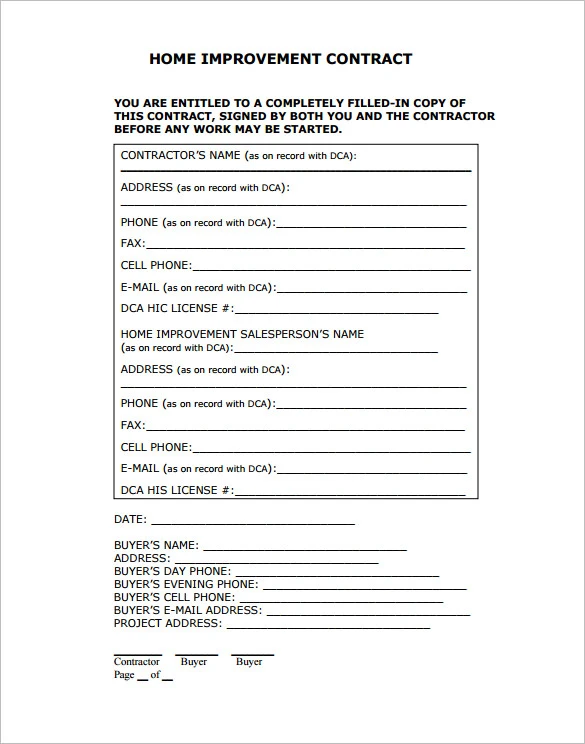
Tips for Homeowners
As a homeowner, there are several steps you can take to protect yourself when entering into a home improvement contract:
- Do Your Research: Research potential contractors thoroughly before hiring, and only work with licensed and insured professionals.
- Get Multiple Bids: Get bids from several contractors to ensure you’re getting a fair price for the project.
- Ask for References: Ask for references from past clients to ensure the contractor has a good track record of quality work.
- Communicate Clearly: Clearly communicate your expectations and timeline for the project to avoid misunderstandings.
- Read the Contract Carefully: Before signing, read the contract carefully and ask any questions about anything you don’t understand.
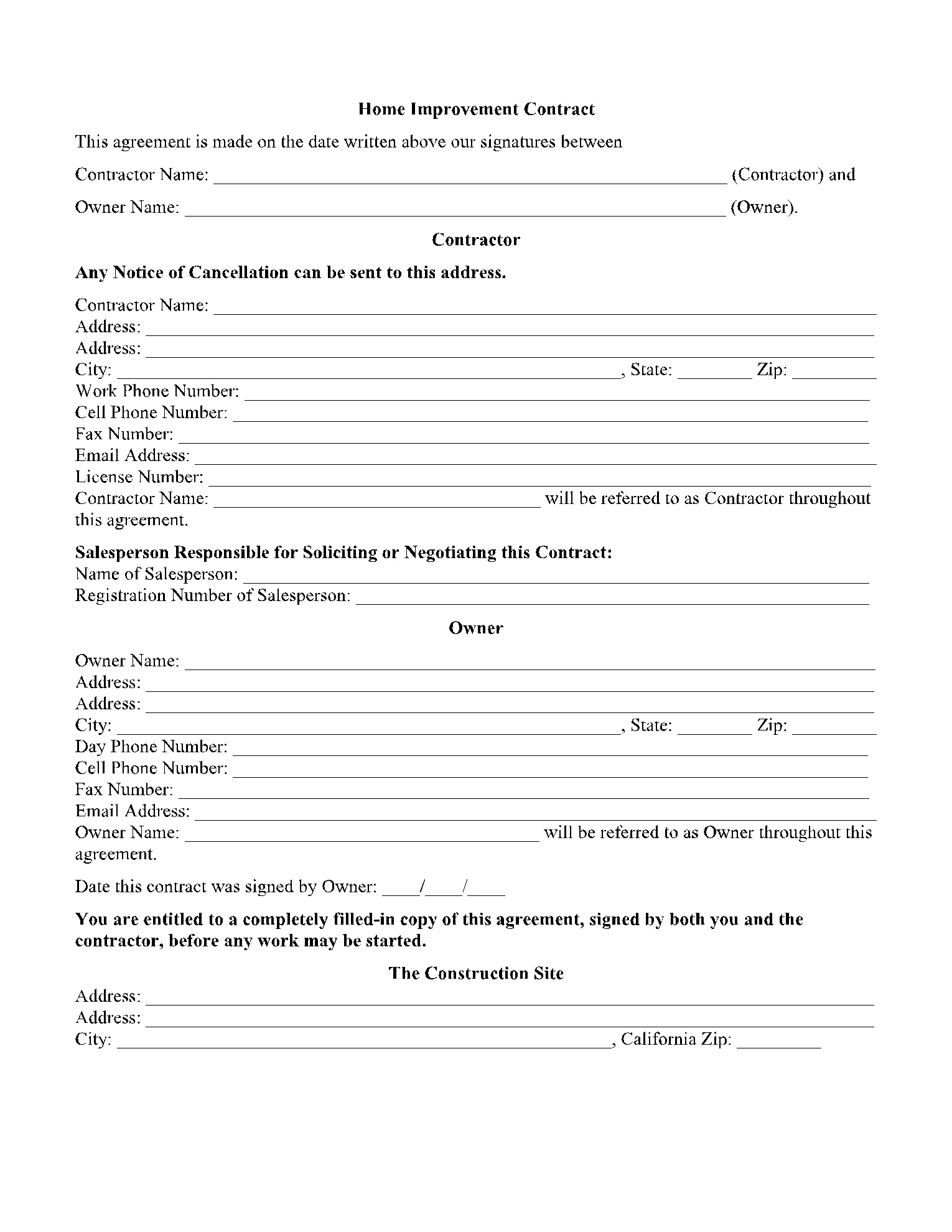
Conclusion
A home improvement contract is an essential tool for ensuring that your home improvement project goes smoothly. By including the necessary elements and following best practices for drafting and reviewing the contract, you can protect yourself and your investment. Remember to communicate openly with your contractor and ask any questions you have before signing on the dotted line. With a solid contract in place, you can rest easy knowing that your project is in good hands.
Home Improvement Contract Template – Word
