Are you curious about what a job profile is and why it’s important? Understanding job profiles can help you navigate the world of work more effectively. In this comprehensive guide, we will delve into the ins and outs of job profiles, including what they are, why they matter, what to include in a job profile, how to create one, and tips for successfully utilizing job profiles in your career.
What is a Job Profile?
A job profile, also known as a job description, is a detailed outline of a specific role within an organization. It includes information such as the responsibilities, qualifications, skills, and experience required for the position. Job profiles help both employers and employees understand what is expected in a particular role and ensure that the right candidate is selected for the job.
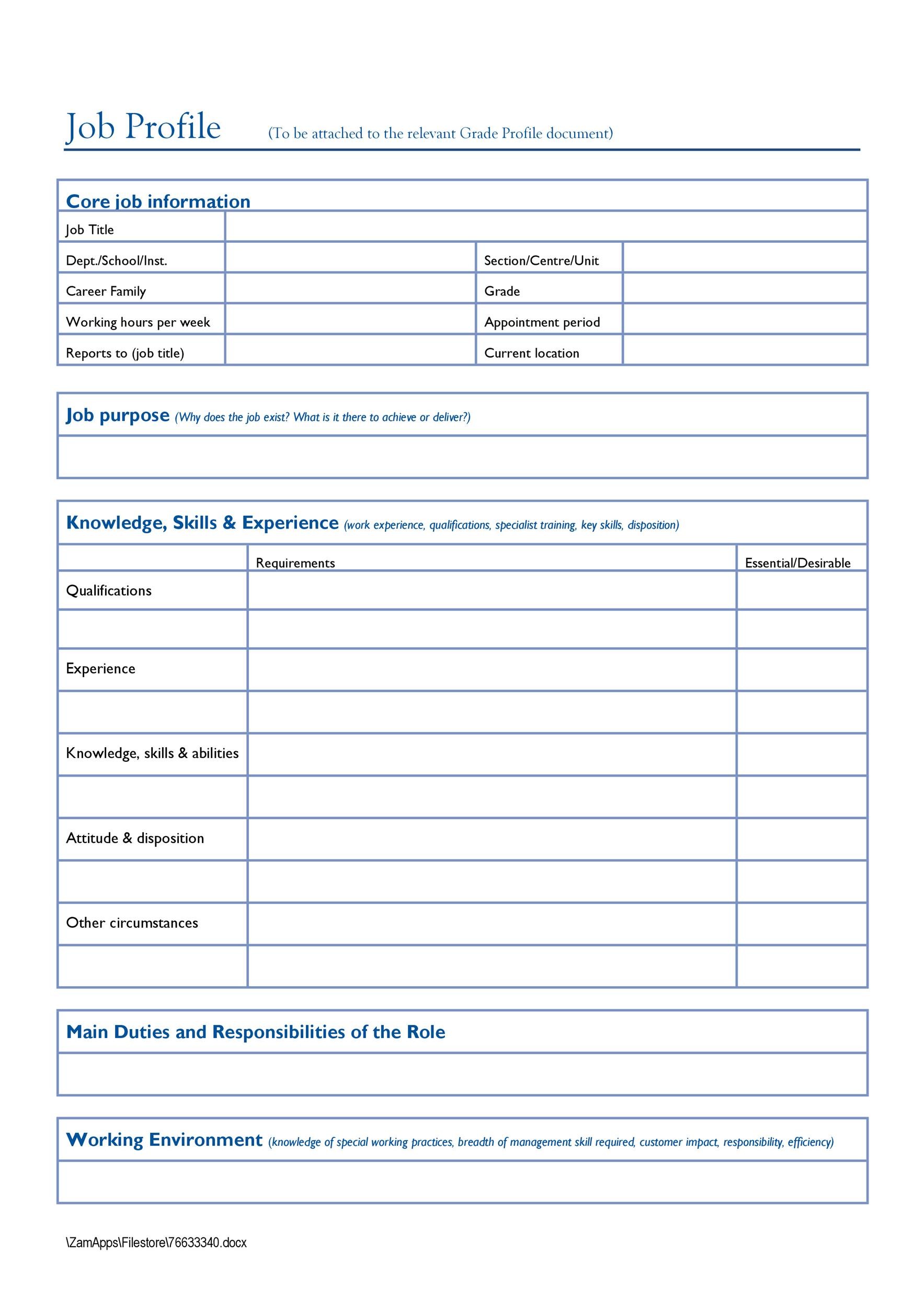
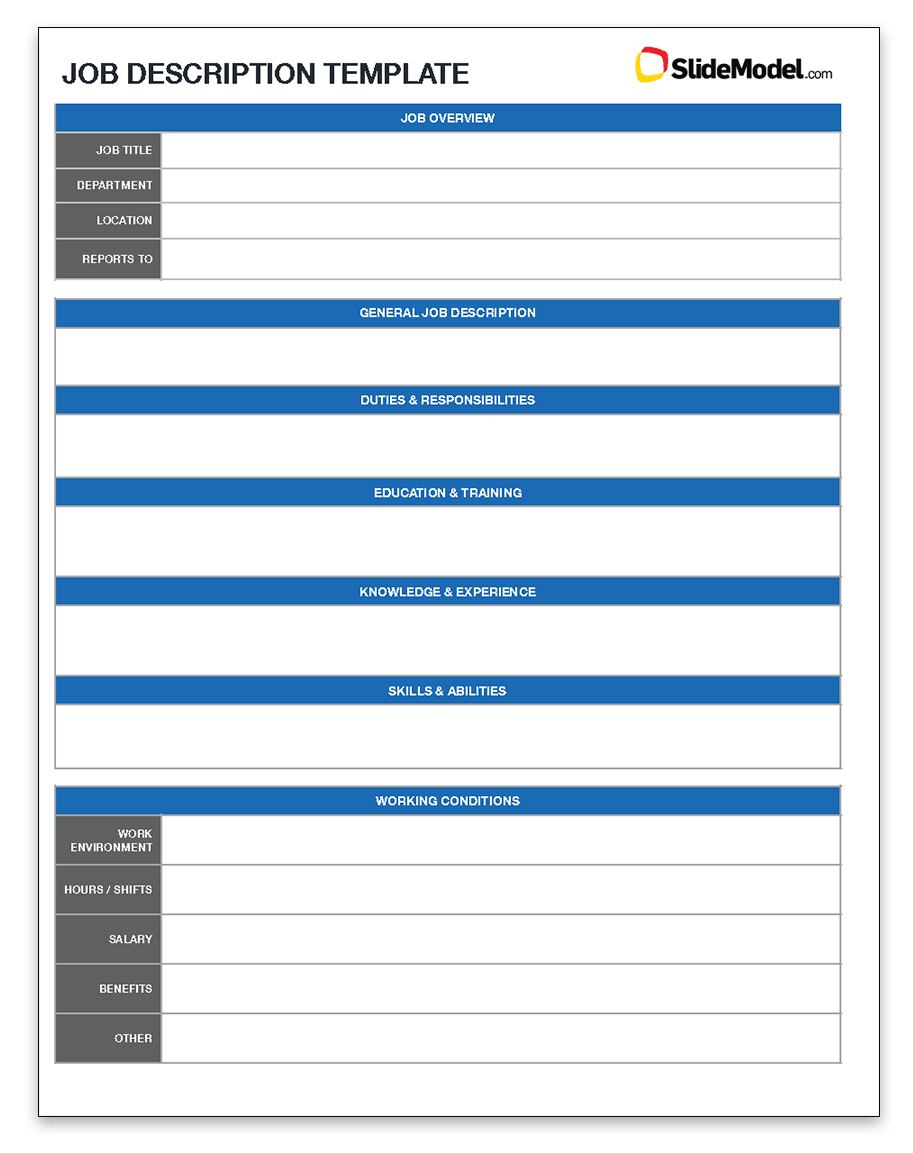
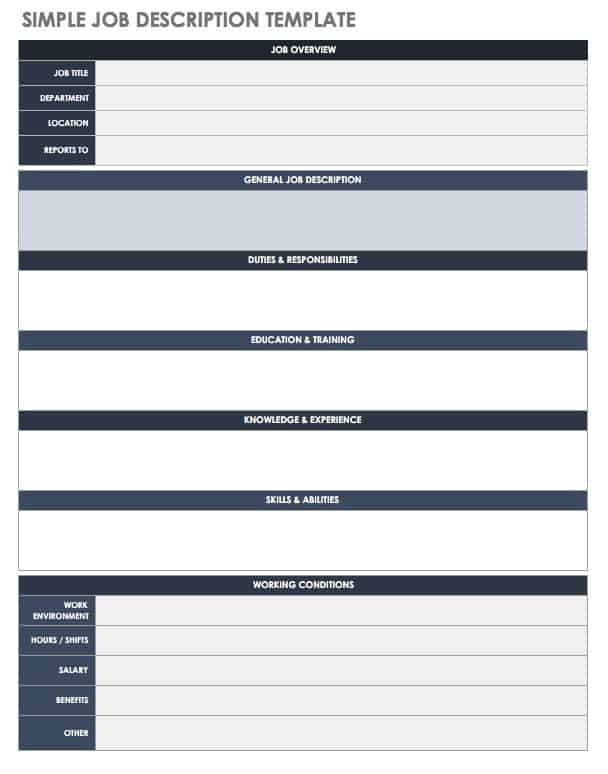
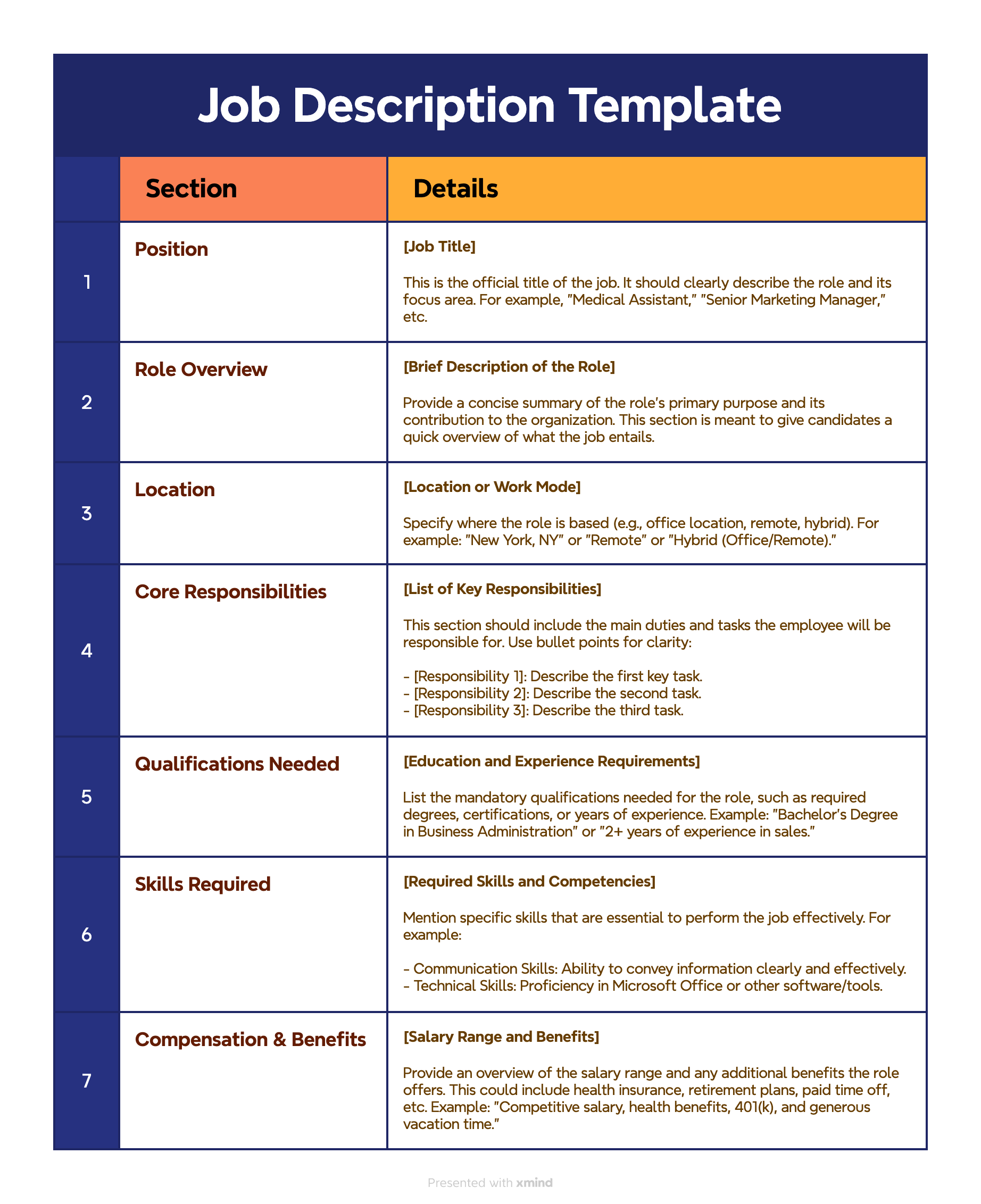
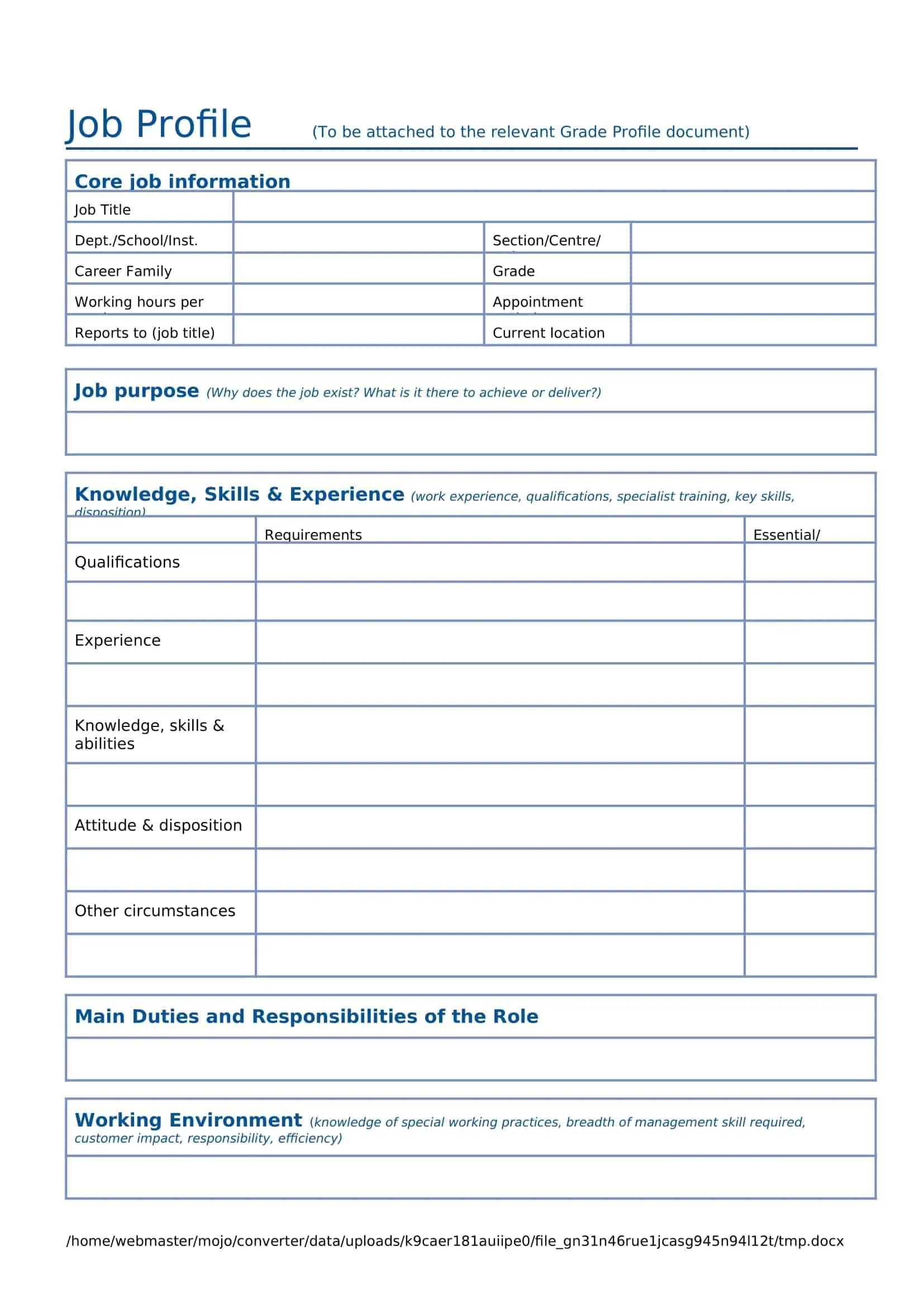
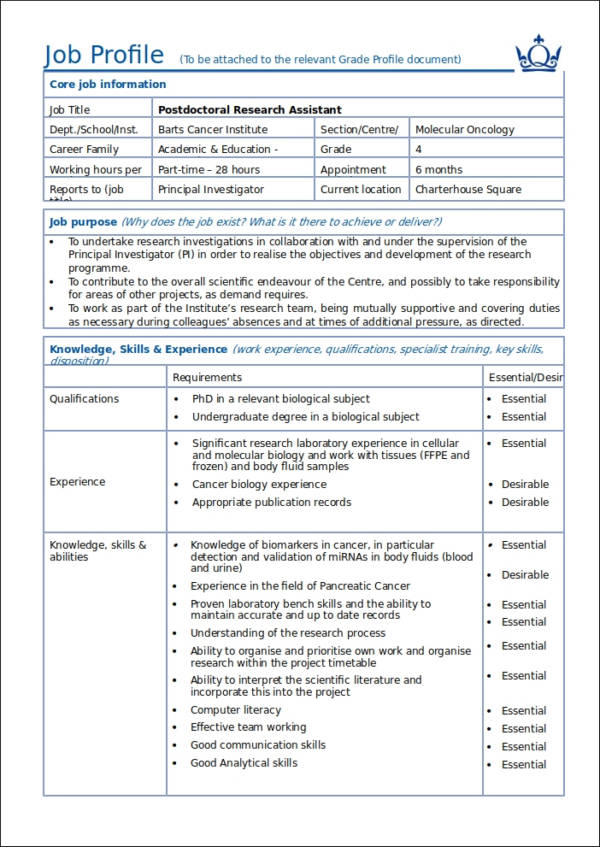
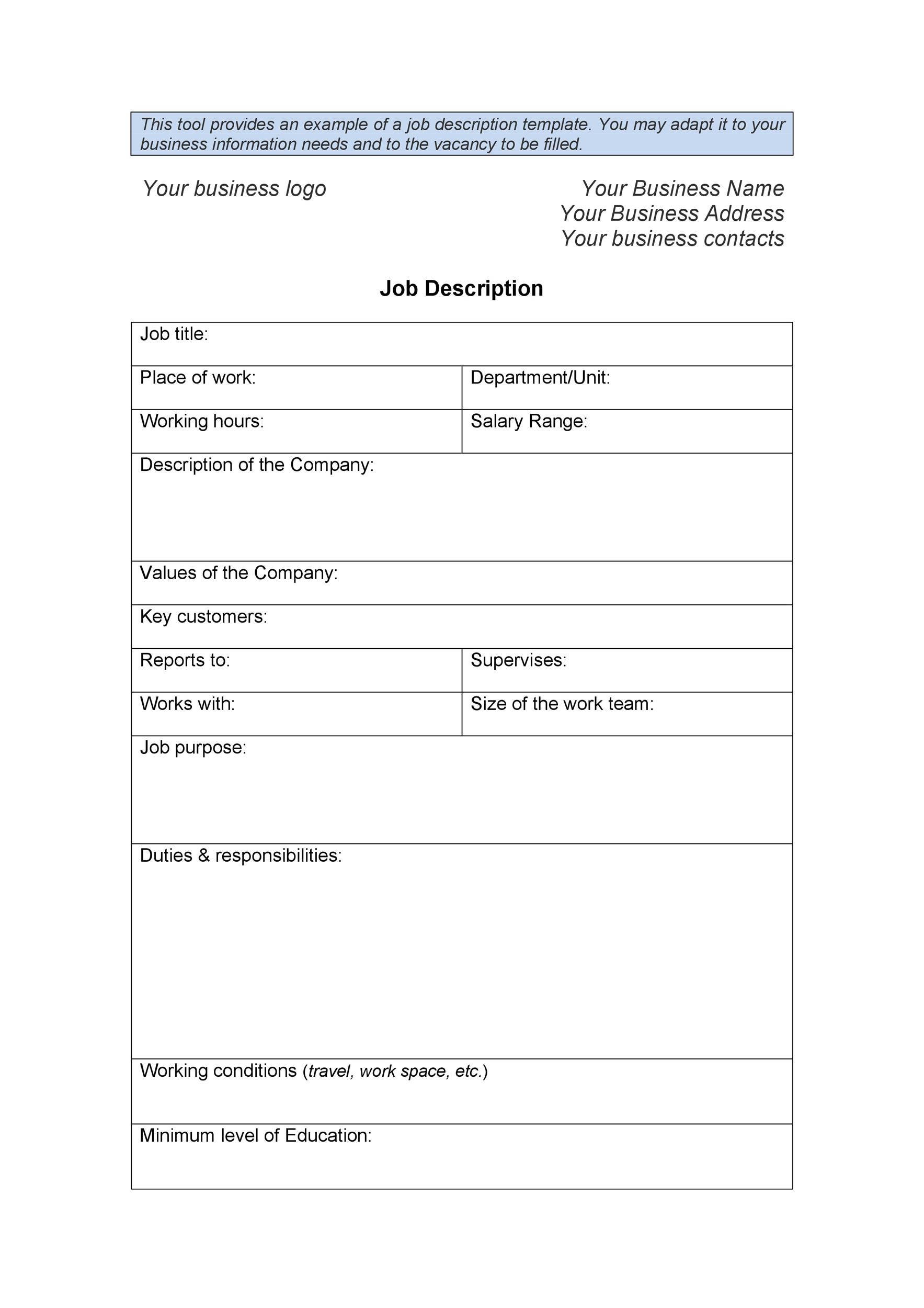
When creating a job profile, it’s important to include key details such as the job title, department, reporting structure, duties and responsibilities, qualifications and skills required, and any other relevant information about the role.
Why are Job Profiles Important?
Job profiles play a crucial role in the recruitment process by providing clarity and transparency about what a role entails. For employers, job profiles help attract the right candidates and set clear expectations for performance. For employees, job profiles help them understand the requirements of a role and assess if it aligns with their career goals and skill set.
Having well-defined job profiles also helps organizations maintain consistency in job roles and responsibilities, which in turn improves overall efficiency and productivity in the workplace.
What to Include in a Job Profile
When creating a job profile, it’s essential to include the following key components:
- Job Title: Clearly state the title of the position.
- Department: Specify the department the role belongs to.
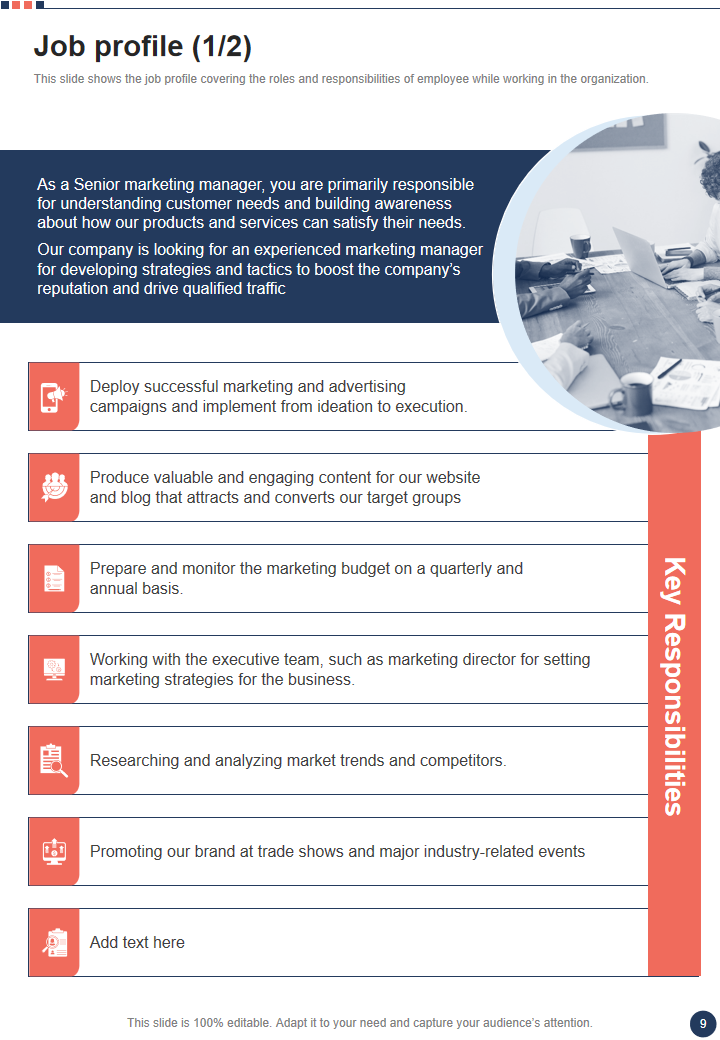
- Duties and Responsibilities: Outline the main tasks and responsibilities of the role.
- Qualifications: List the educational requirements and any necessary certifications.
- Skills: Detail the specific skills and experience needed to succeed in the role.
- Reporting Structure: Indicate who the role reports to and any direct reports.
Examples
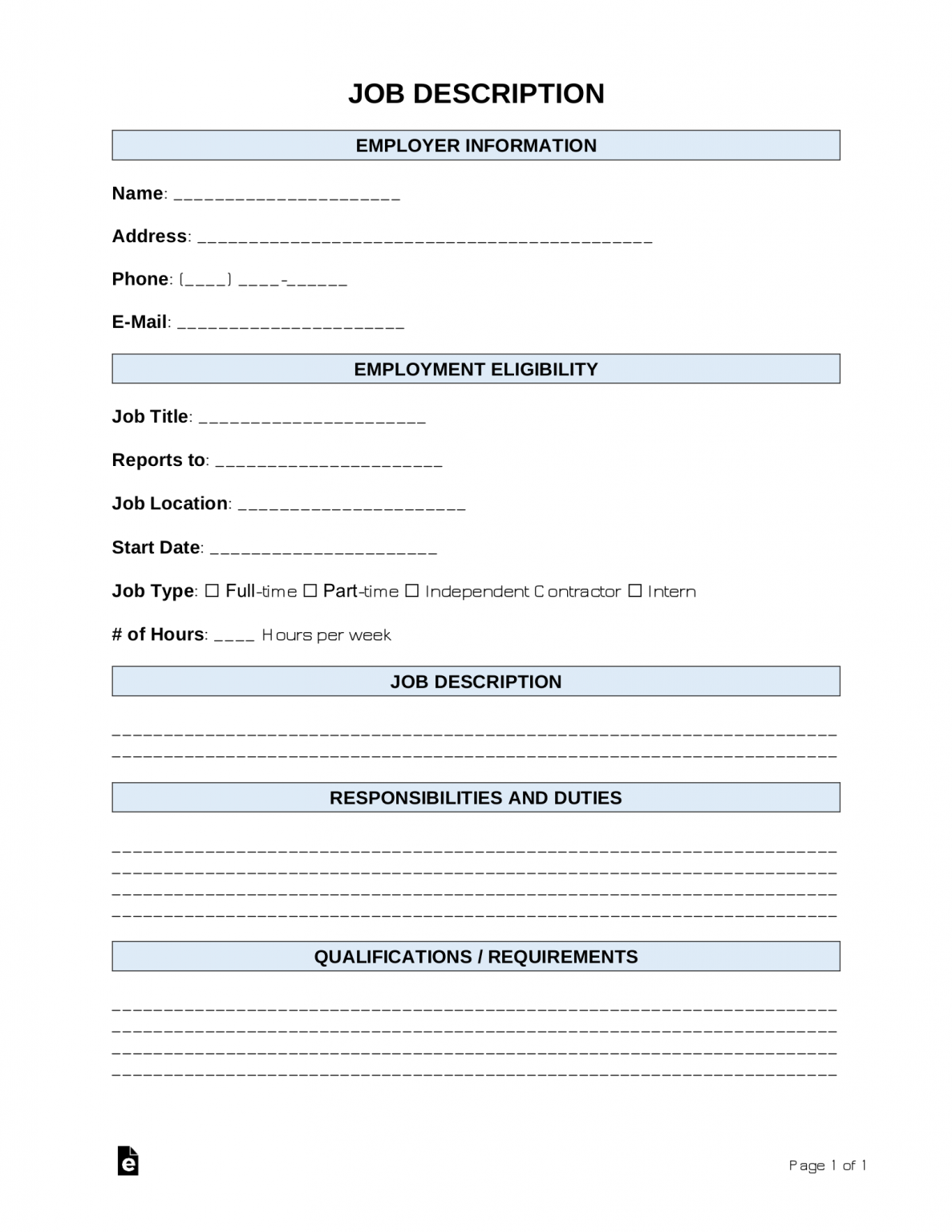
How to Create a Job Profile
Creating a job profile involves thorough research and analysis of the role. Here are some steps to help you create an effective job profile:
1. Conduct a job analysis to understand the duties and responsibilities of the role.
2. Identify the key qualifications and skills required for the position.
3. Consult with relevant stakeholders to gather input on the job requirements.
4. Write a clear and detailed job description that accurately reflects the role.
5. Review and revise the job profile as needed to ensure accuracy and completeness.
Tips for Successful Job Profiles
To make the most of job profiles, consider the following tips:
– Keep job profiles updated regularly to reflect changes in roles and responsibilities.
– Use clear and concise language to communicate job requirements effectively.
– Tailor job profiles to specific roles and organizations for better alignment.
– Seek feedback from employees and managers to improve job profiles over time.
– Use job profiles as a tool for career development and performance evaluations.
In conclusion, understanding job profiles is essential for both employers and employees to ensure a successful recruitment and onboarding process. By following the guidelines outlined in this guide, you can create and utilize job profiles effectively in your organization. Remember, job profiles are not just documents; they are tools that can help shape your career path and drive organizational success.
Job Profile Template – Download
