Job safety analysis (JSA) is a crucial process that helps in identifying potential hazards in the workplace and implementing preventive measures to ensure the safety of employees. This systematic approach not only helps in reducing accidents and injuries but also enhances productivity and efficiency.
Understanding the importance of JSA can significantly improve the overall safety culture within an organization.
What is Job Safety Analysis?
Job Safety Analysis, also known as Job Hazard Analysis, is a technique used to identify potential hazards and risks associated with specific job tasks. It involves breaking down a job into its individual steps, identifying potential hazards at each step, and determining the best way to perform the job safely. By analyzing each step of a job, organizations can proactively address safety concerns and prevent accidents before they occur.
Why is Job Safety Analysis Important?
Implementing Job Safety Analysis in the workplace has numerous benefits, including:
- Preventing Accidents: By identifying and addressing potential hazards, JSA helps in preventing workplace accidents and injuries.
- Creating Awareness: JSA raises awareness among employees about potential hazards and the importance of following safe work practices.
- Improving Efficiency: By streamlining job tasks and ensuring safety measures are in place, JSA can improve workflow efficiency.
- Reducing Costs: Preventing accidents through JSAs can help in reducing workers’ compensation claims and other associated costs.
- Promoting a Safety Culture: Implementing JSAs demonstrates an organization’s commitment to safety and promotes a culture of safety among employees.
What to Include in a Job Safety Analysis
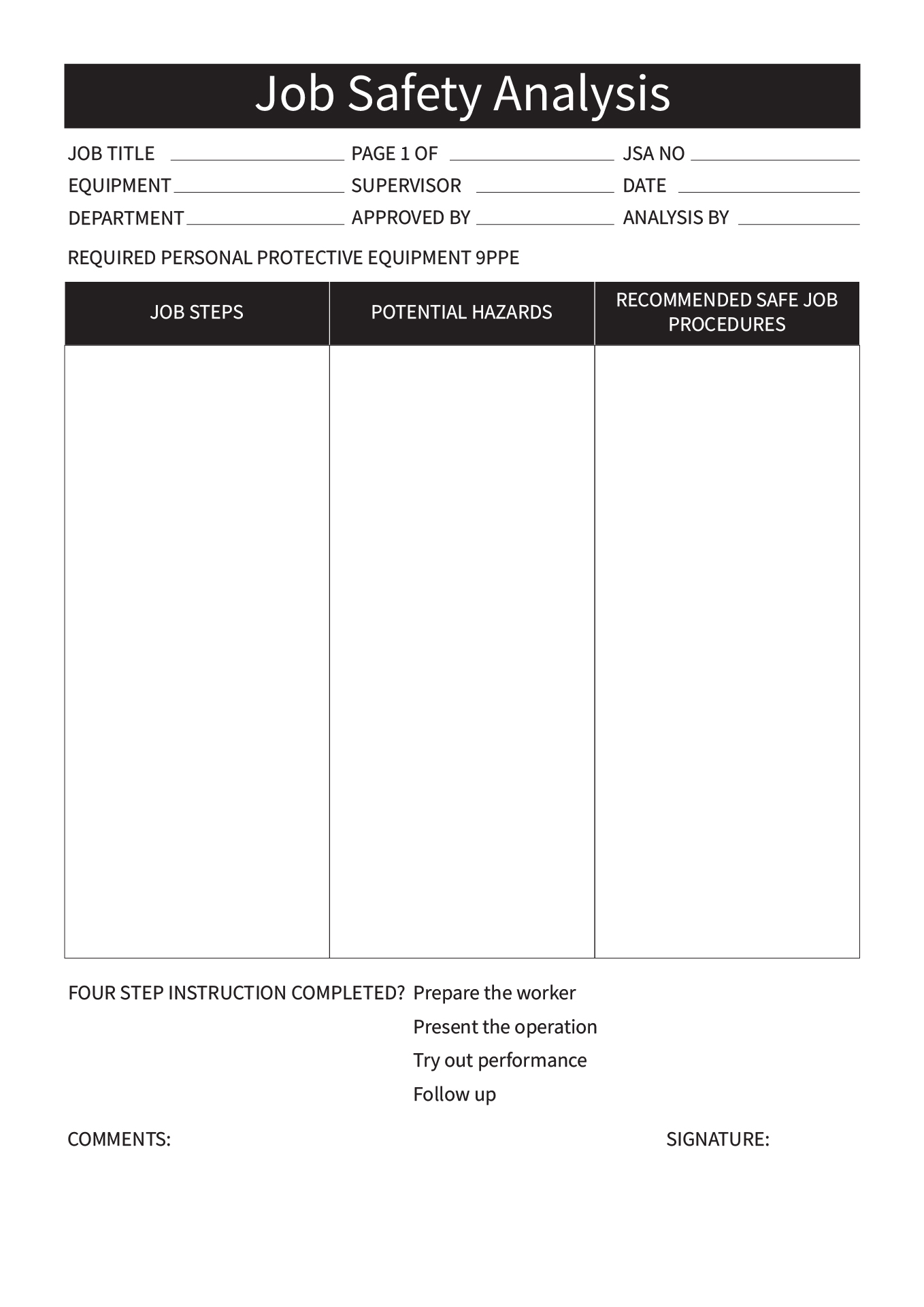
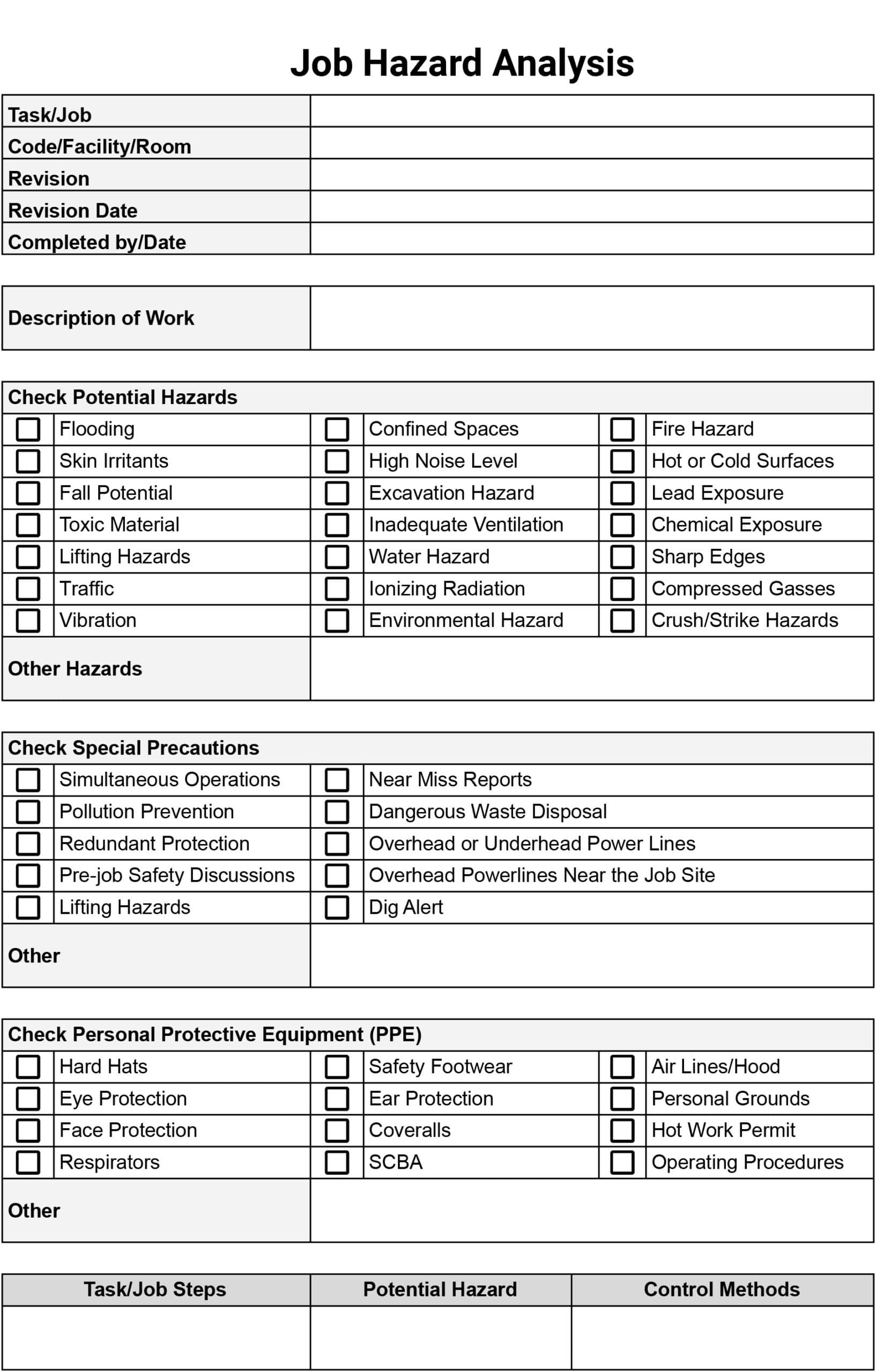
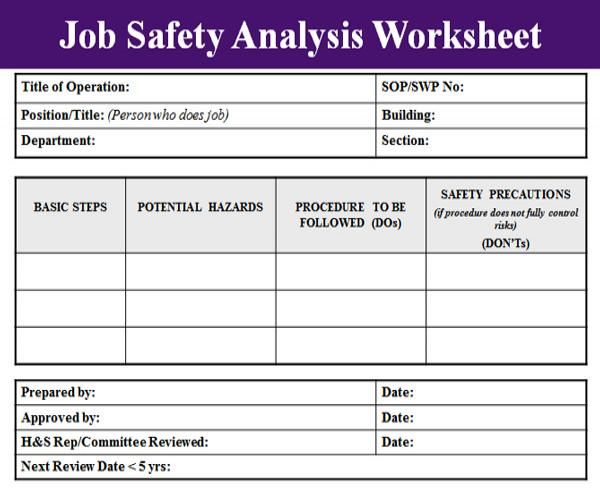
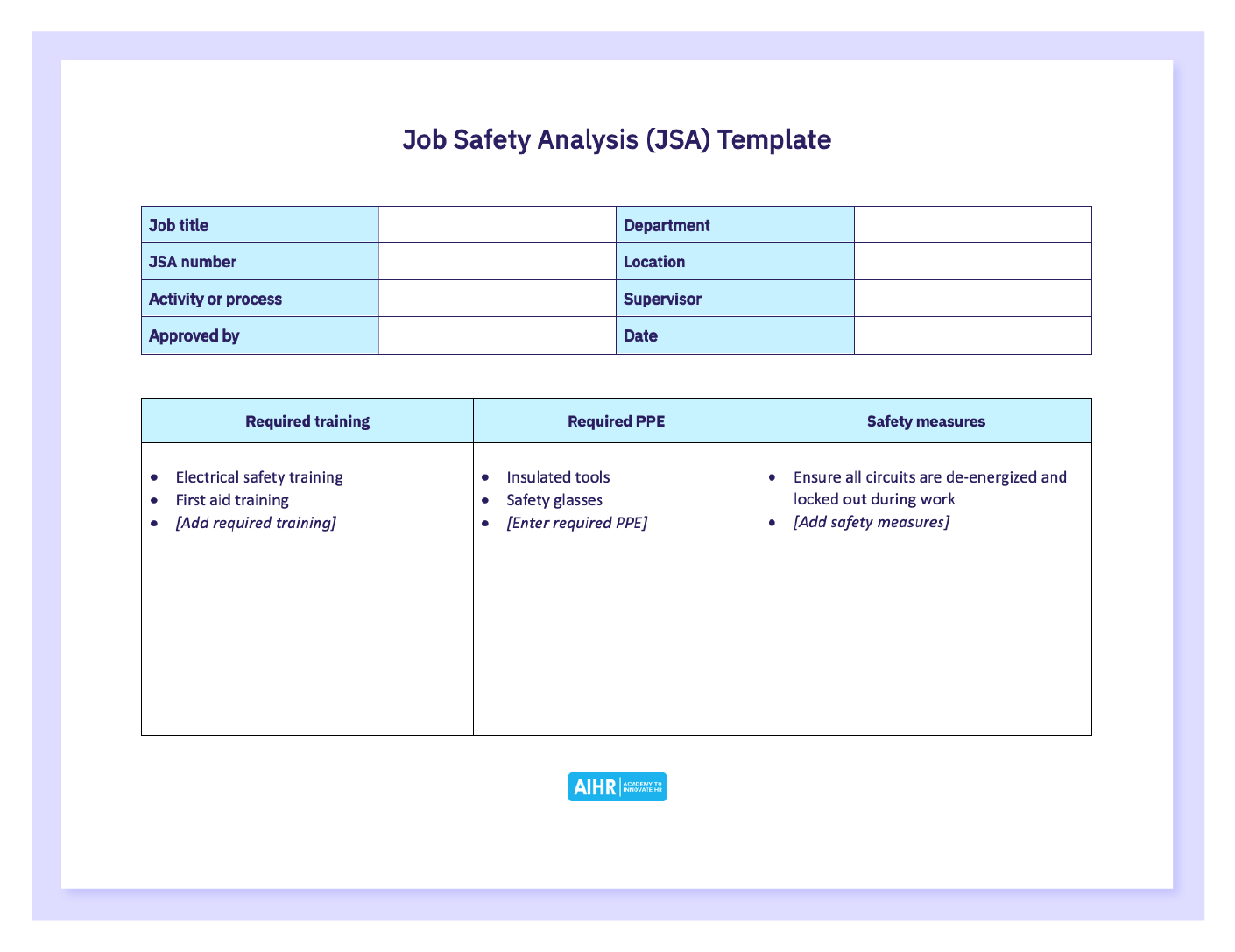
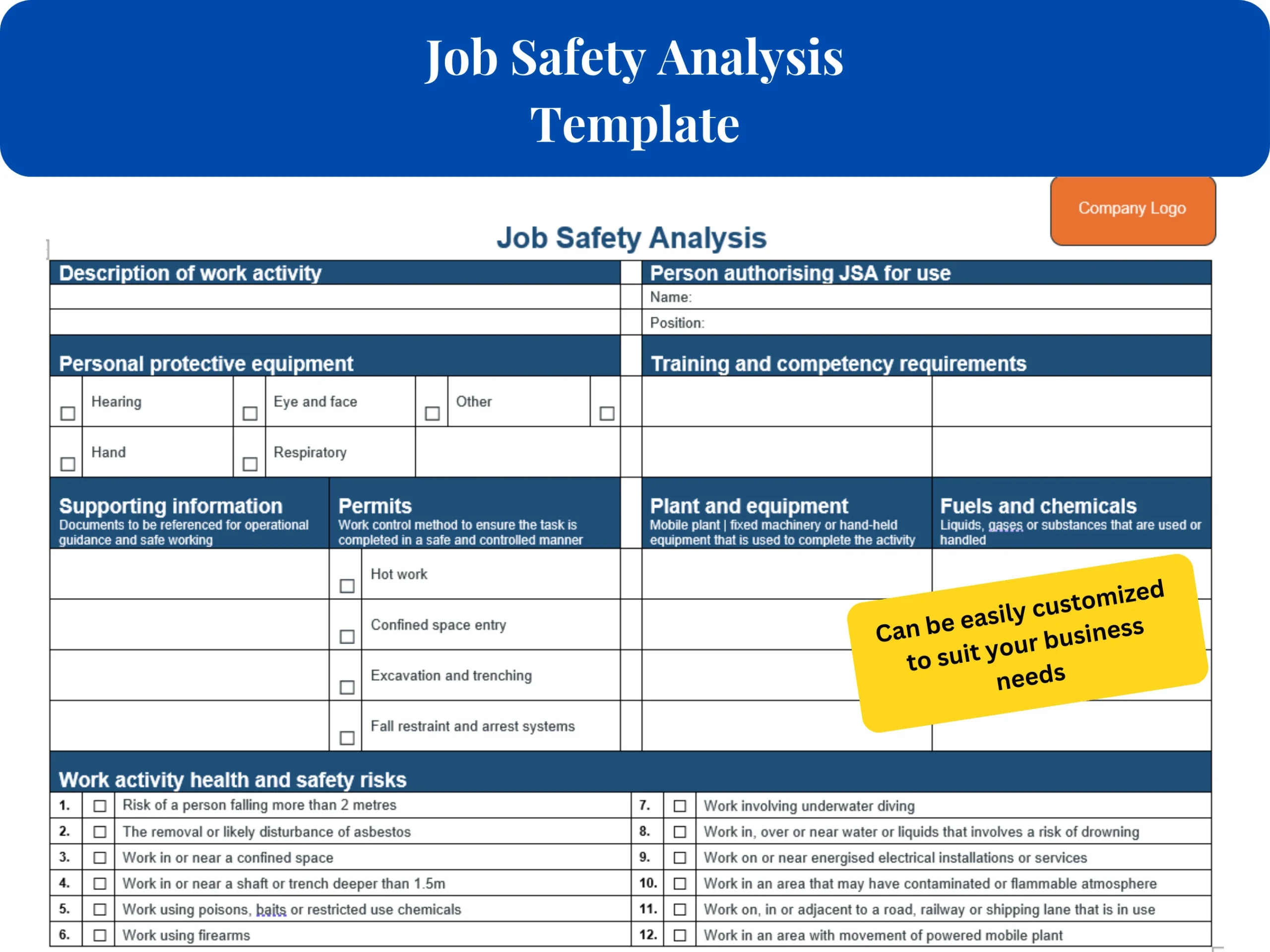
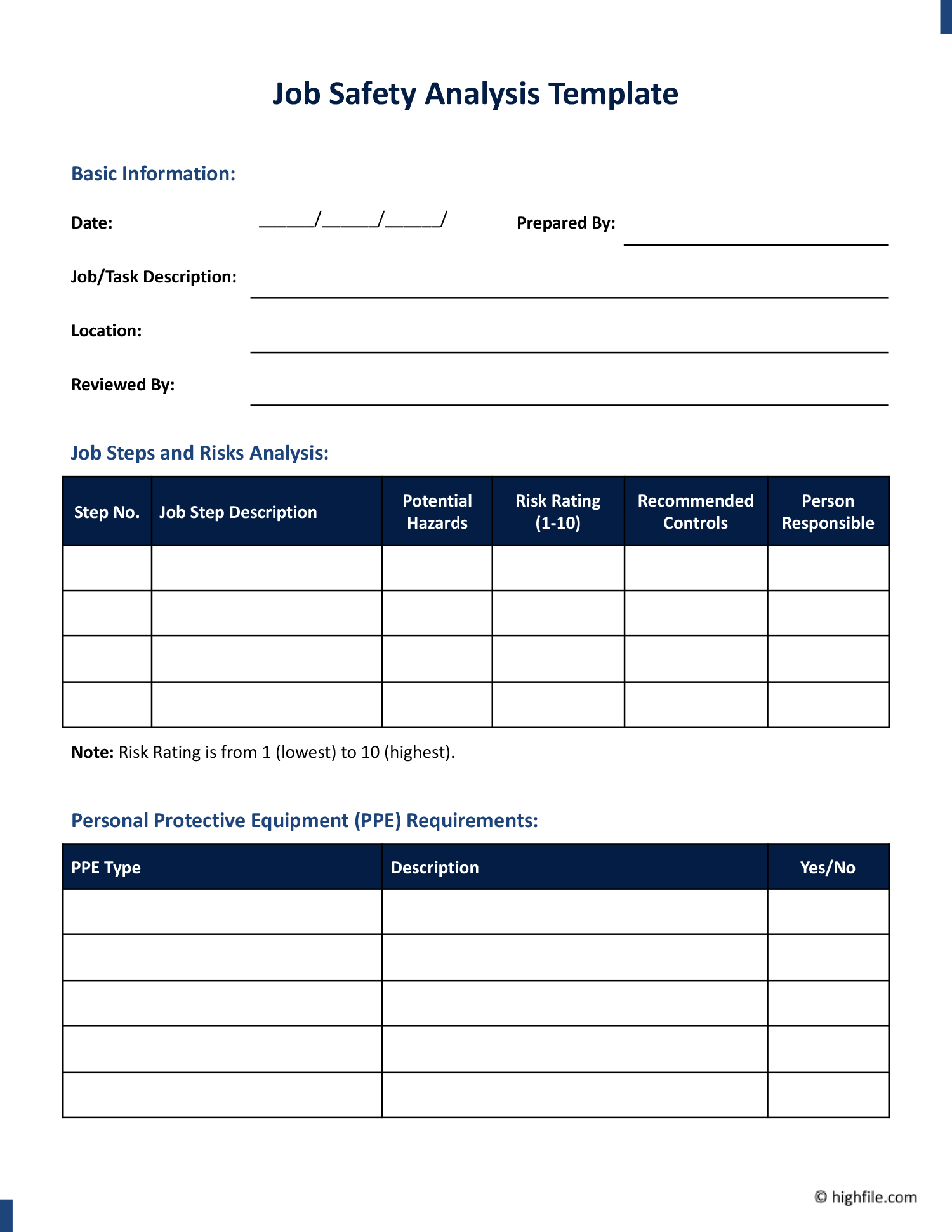
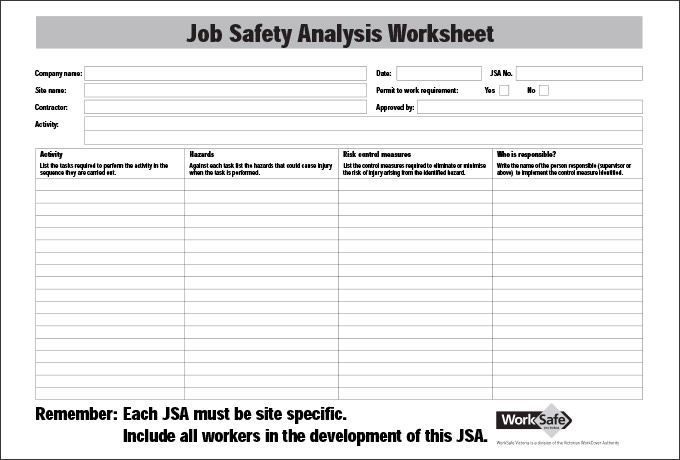
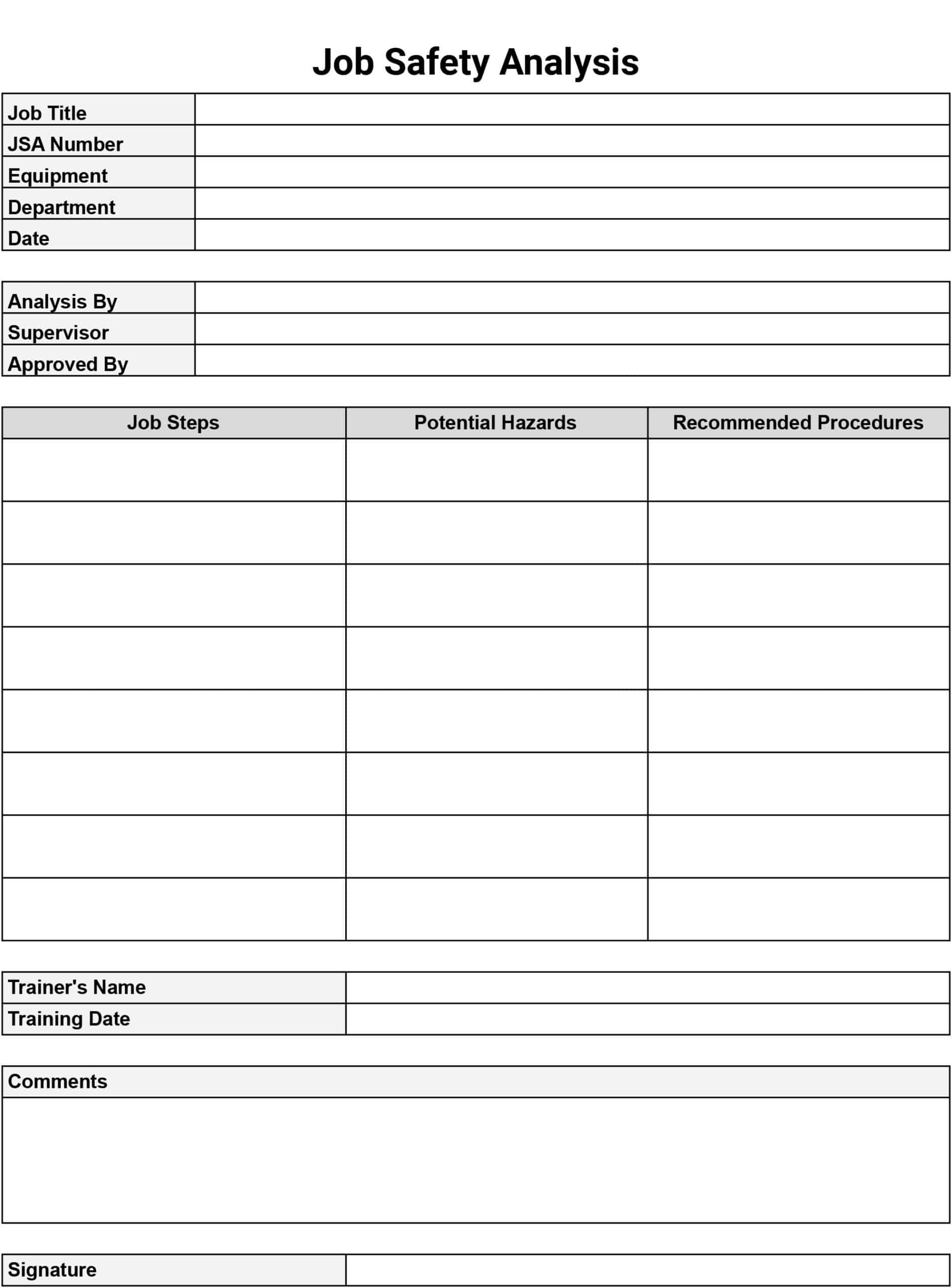
When conducting a Job Safety Analysis, it is essential to include the following elements:
- Job Title: Clearly define the job title and tasks to be analyzed.
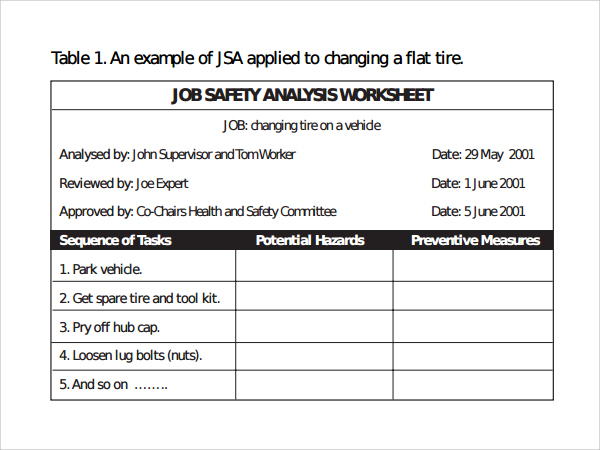
- Job Steps: Break down the job into individual steps or tasks.
- Potential Hazards: Identify potential hazards at each step of the job.
- Preventive Measures: Determine the best practices and safety measures to eliminate or reduce hazards.
- Training Requirements: Identify any training needs for employees to perform the job safely.
Examples
How to Conduct a Job Safety Analysis
Follow these steps to conduct a Job Safety Analysis effectively:
- Select the Job: Choose a specific job or task to analyze.
- Break Down the Job: Divide the job into individual steps or tasks.
- Identify Hazards: Determine potential hazards at each step of the job.
- Develop Controls: Implement preventive measures and controls to mitigate risks.
- Communicate Findings: Share the JSA results with employees and provide training if necessary.
Tips for Successful Job Safety Analysis
Follow these tips to ensure a successful Job Safety Analysis:
- Involve Employees: Engage employees who perform the job in the JSA process for valuable insights.
- Update Regularly: Review and update Job Safety Analysis documents regularly to reflect changes in job tasks or processes.
- Provide Training: Ensure employees are trained on safe work practices identified in the JSA.
- Seek Feedback: Encourage feedback from employees to continuously improve the JSA process.
- Monitor and Evaluate: Monitor the effectiveness of controls implemented through JSA and make adjustments as needed.
Conclusion
Job Safety Analysis is a critical tool for identifying and preventing workplace hazards, promoting a culture of safety, and ensuring the well-being of employees. By conducting thorough JSAs, organizations can enhance workplace safety, reduce accidents, and improve overall productivity. Implementing Job Safety Analysis is not just a legal requirement; it is a proactive approach to safeguarding the health and safety of employees in the workplace.
Job Safety Analysis Template – Download
