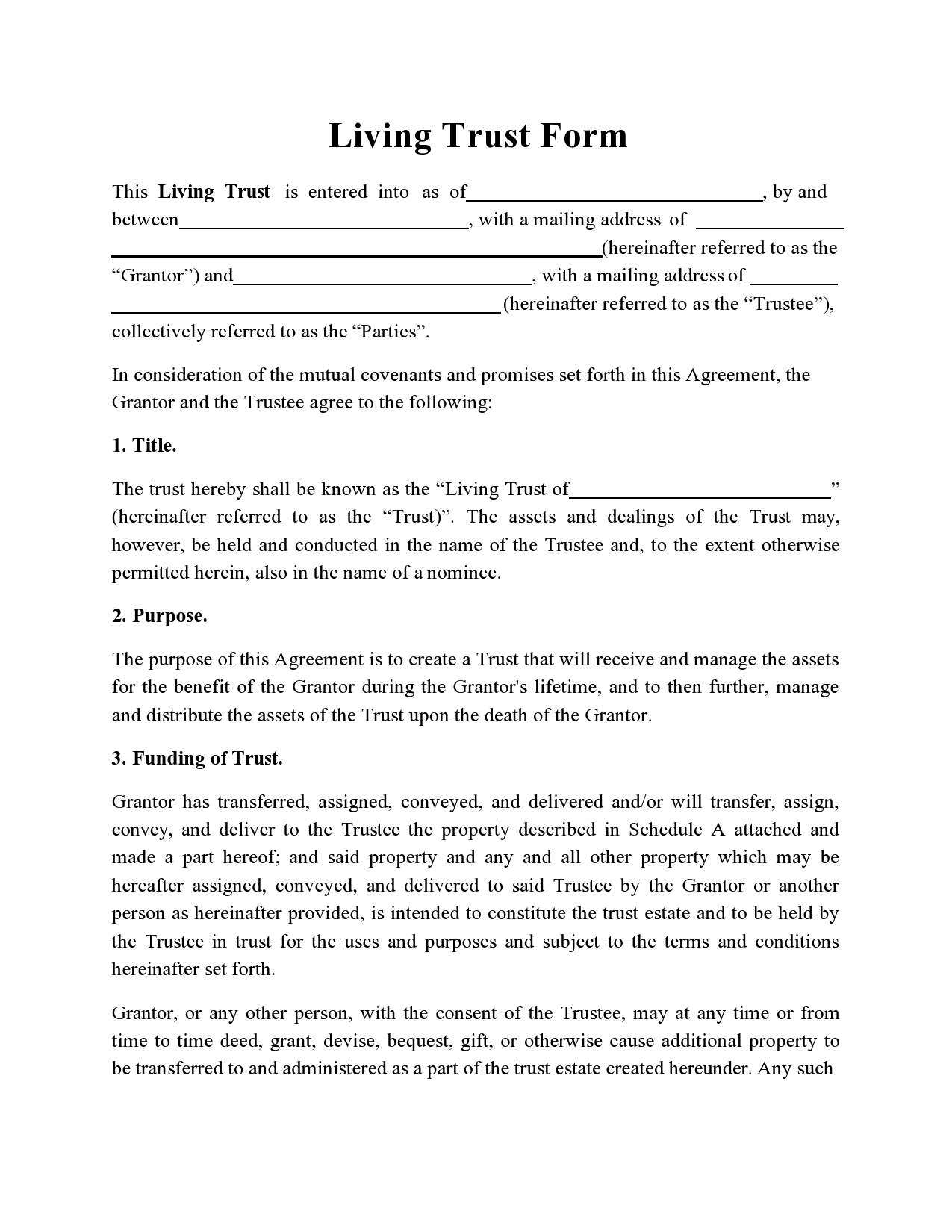
When it comes to estate planning, one of the most common tools used is a living trust. A living trust form is a legal document that allows you to transfer your assets and property into a trust during your lifetime. This trust is managed by a trustee, who will distribute the assets to your beneficiaries according to your wishes after your death. In this article, we will delve into the specifics of living trust forms, why they are important, what to include in them, how to create one, and tips for successful estate planning.
What is a Living Trust Form?
A living trust form, also known as a revocable living trust, is a legal document that outlines the management and distribution of your assets while you are alive and after your death. Unlike a will, which only takes effect after your death, a living trust goes into effect as soon as it is created and assets are transferred into it. This allows for seamless management and distribution of assets without the need for probate court involvement.
Why Use a Living Trust Form?
There are several reasons why individuals choose to use a living trust form as part of their estate planning:
- Probate Avoidance: Assets held in a living trust do not go through the probate process, which can save time and money for beneficiaries.
- Privacy: Unlike a will, a living trust is a private document and is not part of public record, allowing for confidentiality of estate details.
- Incapacity Planning: A living trust can include directions for the management of assets in case you become incapacitated, ensuring continuity of financial affairs.
- Control: By creating a living trust, you can specify how and when your assets are distributed to beneficiaries, providing more control over your estate.
What to Include in a Living Trust Form
When creating a living trust form, there are several key components that should be included:
- Trustee: Designate a trustee who will manage the trust and distribute assets according to your instructions.
- Beneficiaries: Clearly outline who will inherit your assets and property after your death.
- Assets: List all the assets that will be transferred into the trust, including bank accounts, real estate, investments, and personal property.
- Instructions: Provide detailed instructions on how you want your assets to be distributed and any conditions or restrictions you want to impose.
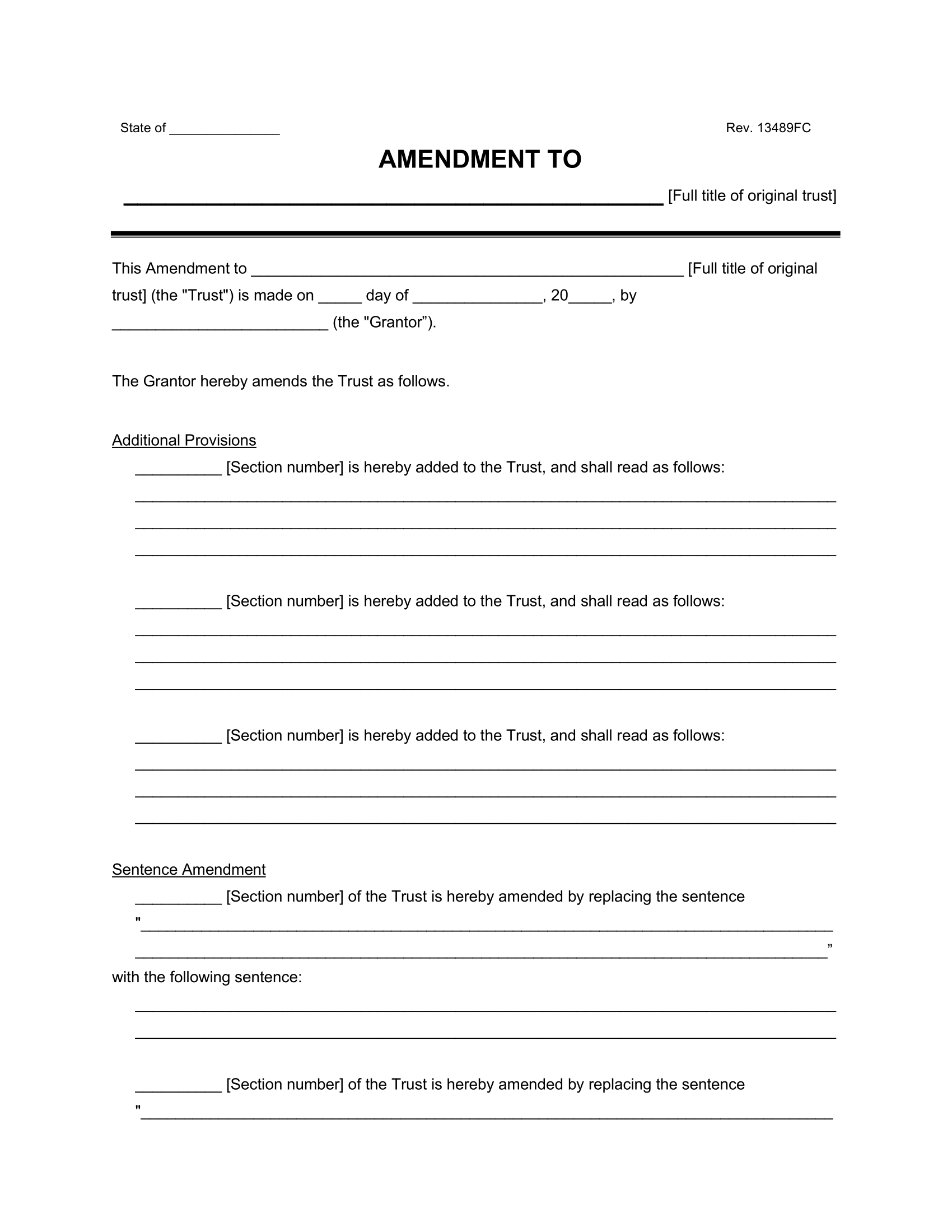
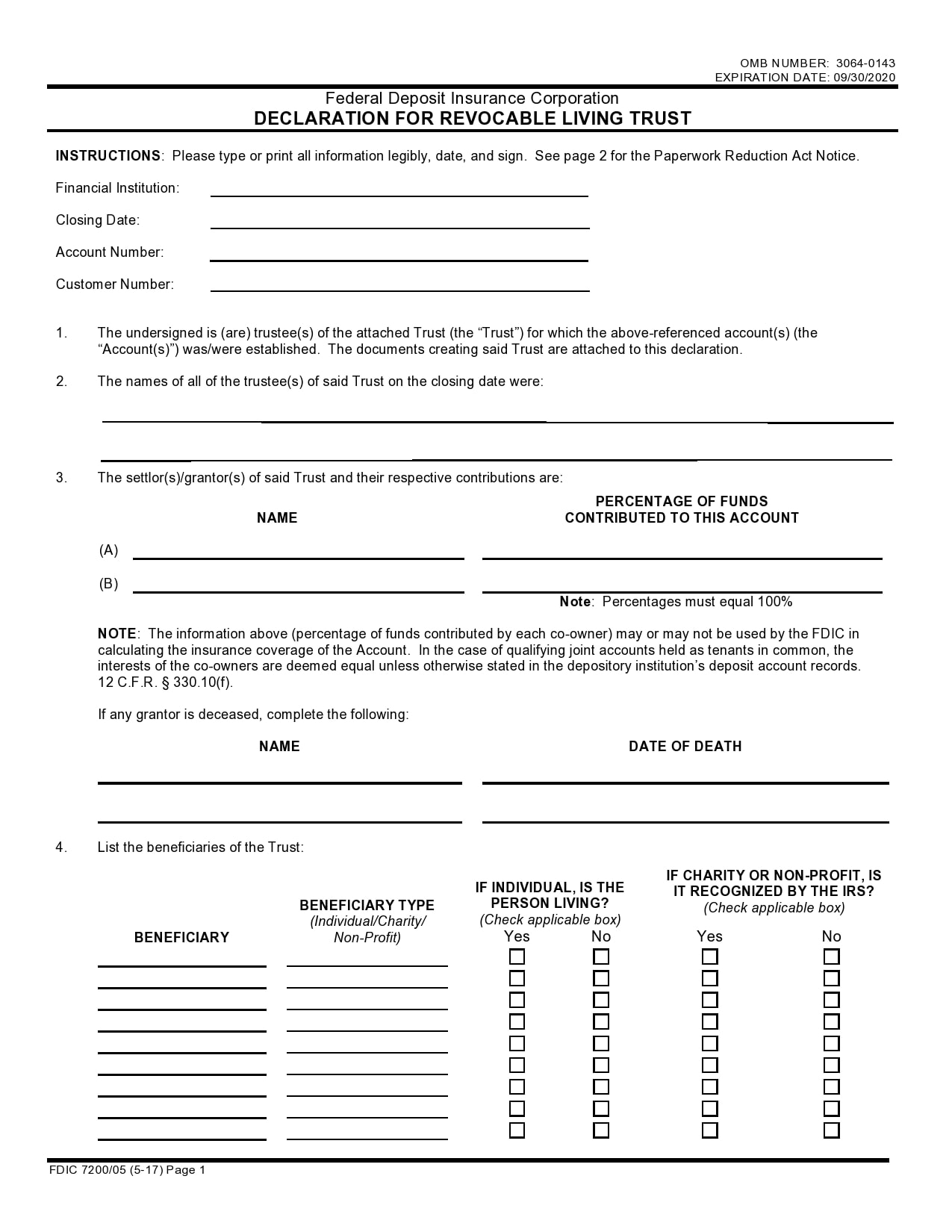
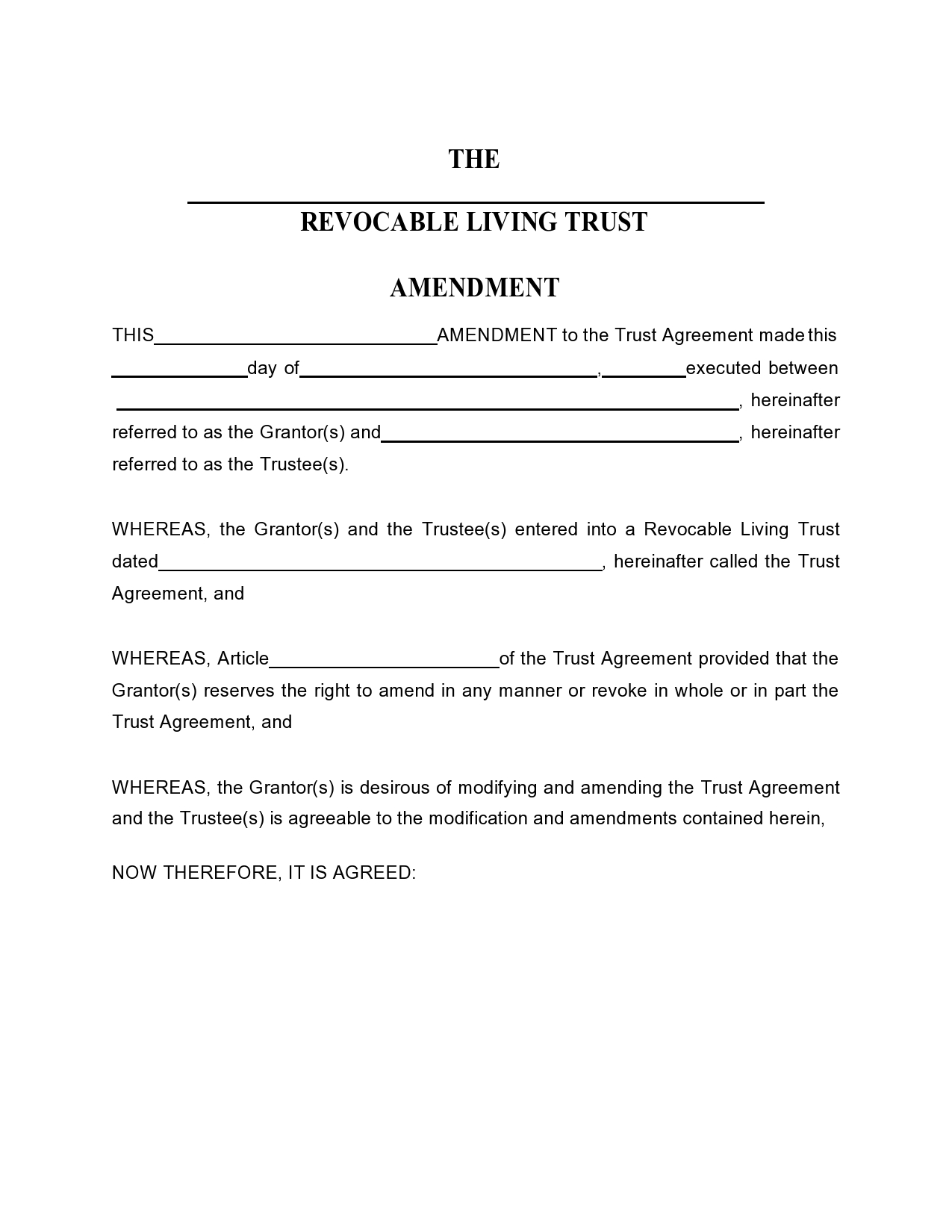
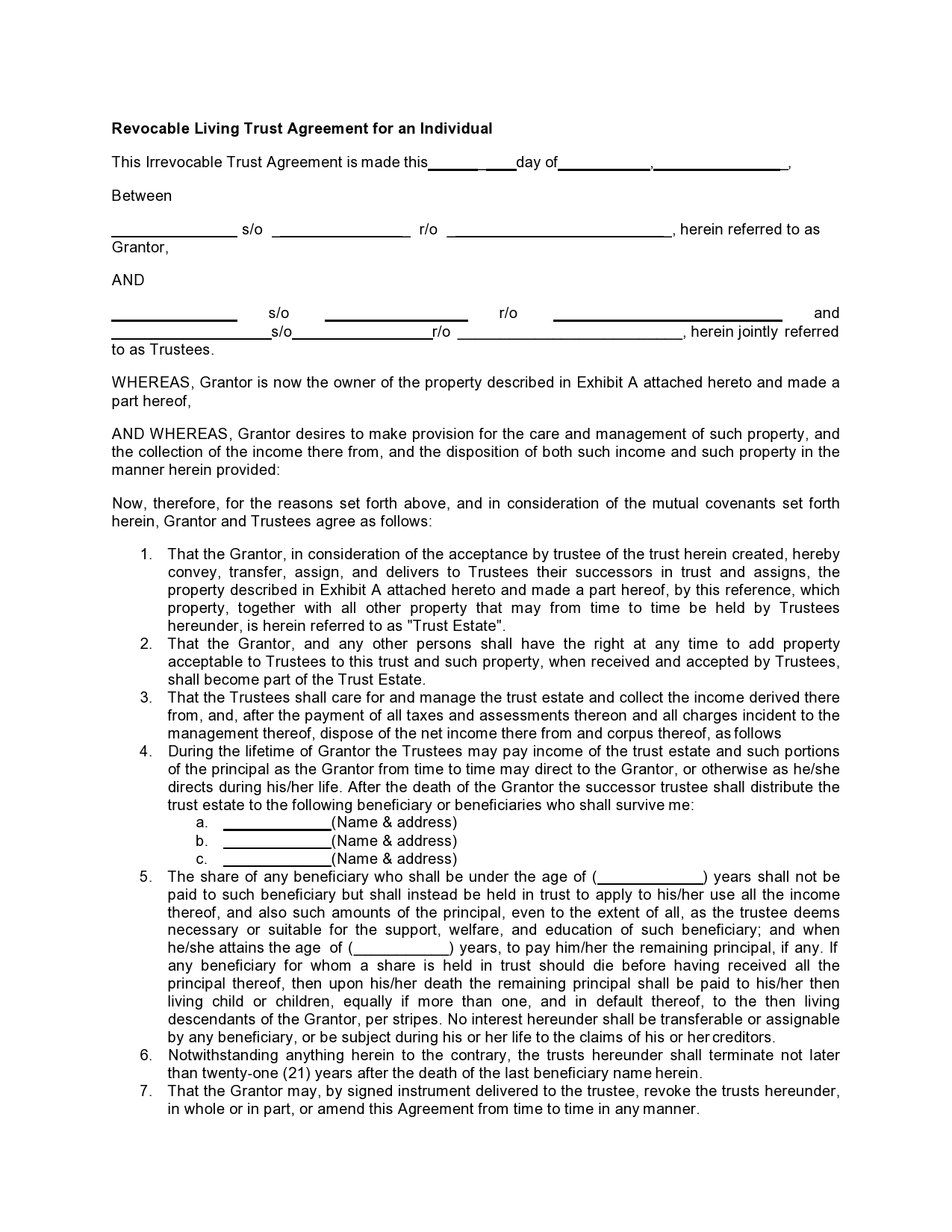
How to Create a Living Trust Form
Creating a living trust form is a crucial step in estate planning. Here are the steps to follow:
1. Consult with an Estate Planning Attorney
Seek the guidance of an experienced estate planning attorney who can help you understand the legal implications of a living trust and assist in drafting the document.
2. Gather Information
Compile a list of your assets, including financial accounts, real estate holdings, investments, and personal property, that you want to include in the trust.
3. Draft the Trust Document
Work with your attorney to draft the living trust form, including provisions for the trustee, beneficiaries, assets, and distribution instructions.
4. Transfer Assets
Transfer ownership of your assets into the trust by changing titles and beneficiary designations to the trust name.
5. Sign and Notarize
Sign the living trust document in the presence of a notary public to make it legally binding.
6. Review and Update
Regularly review and update your living trust form to ensure it reflects your current wishes and circumstances.
Tips for Successful Estate Planning with a Living Trust Form
Here are some tips to ensure a successful estate planning process with a living trust form:
- Educate Yourself: Understand the benefits and implications of a living trust before creating one.
- Choose a Reliable Trustee: Select a trustee who is trustworthy and capable of managing your assets responsibly.
- Communicate with Beneficiaries: Inform your beneficiaries about the existence of the trust and your intentions for asset distribution.
- Update Regularly: Review and update your living trust form as needed to reflect changes in your life or financial situation.
By understanding the importance of a living trust form, knowing what to include in it, following the necessary steps to create one, and implementing best practices for successful estate planning, you can ensure that your assets are managed and distributed according to your wishes.
