Meetings are a fundamental part of any organization’s workflow. They serve as a platform for team members to come together, discuss important matters, make decisions, and collaborate. However, without proper structure and organization, meetings can easily become unproductive and time-consuming. This is where meeting agendas come into play. A well-crafted meeting agenda is like a roadmap that guides the discussion and ensures that the meeting stays on track.
In this article, we will explore the importance of meeting agendas, what to include in them, how to create an effective agenda, and tips for successful meetings.
What is a Meeting Agenda?
A meeting agenda is a document that outlines the topics to be discussed during a meeting. It provides a clear structure for the meeting, ensuring that all important points are covered within the allocated time frame. A well-prepared agenda helps participants prepare in advance, stay focused during the meeting, and achieve the objectives set for the meeting. It also serves as a reference point for follow-up actions after the meeting.
Why are Meeting Agendas Important?
Having a meeting agenda is essential for several reasons. Firstly, it helps in setting clear expectations for the meeting. Participants know what topics will be discussed and can come prepared with relevant information. Secondly, a well-defined agenda ensures that the meeting stays on track and does not veer off into irrelevant discussions. This helps in maximizing the use of everyone’s time and resources. Lastly, meeting agendas promote accountability by clearly assigning responsibilities and follow-up actions.
What to Include in a Meeting Agenda
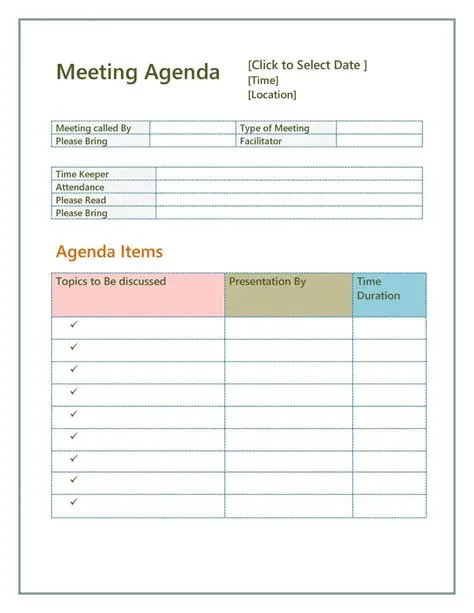
When creating a meeting agenda, it is important to include the following key elements:
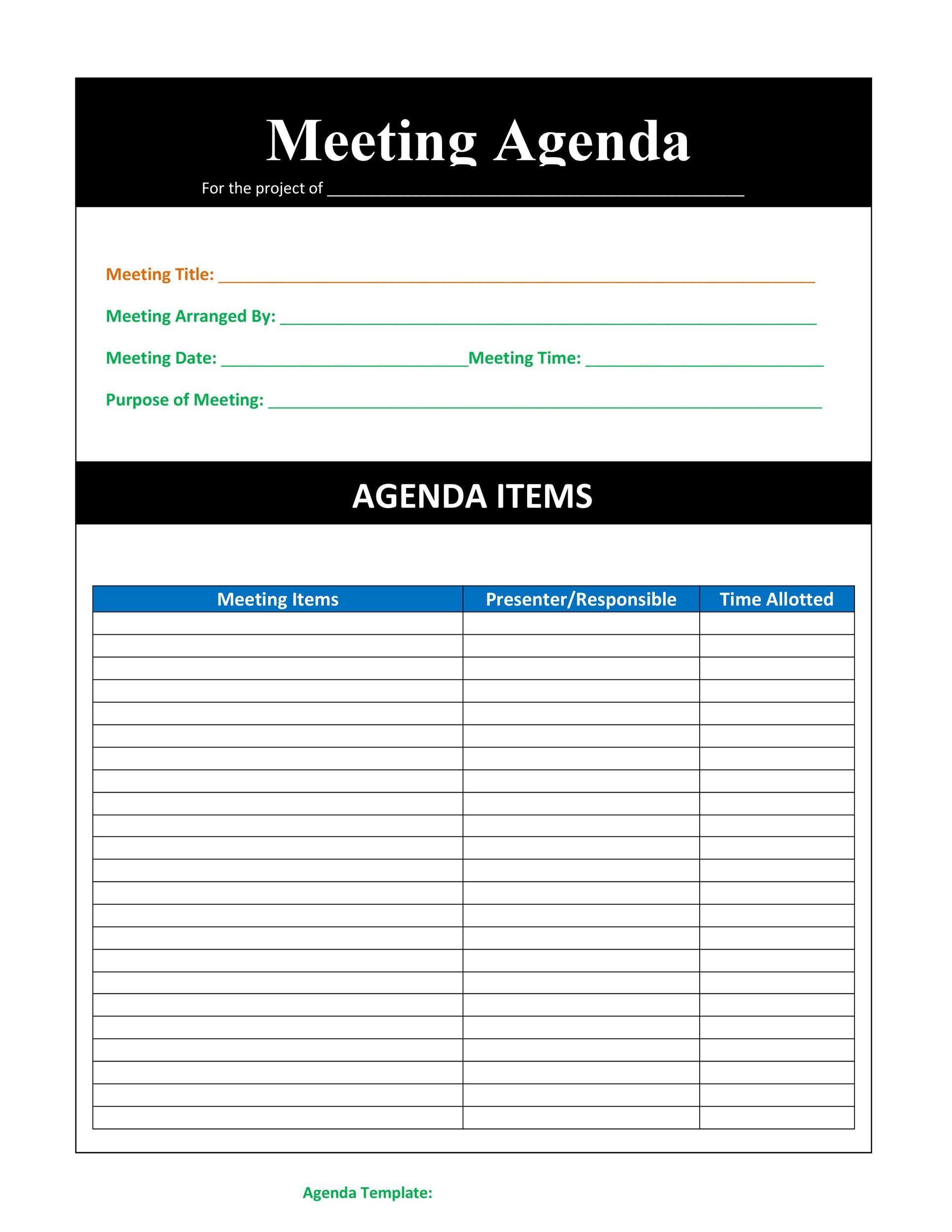
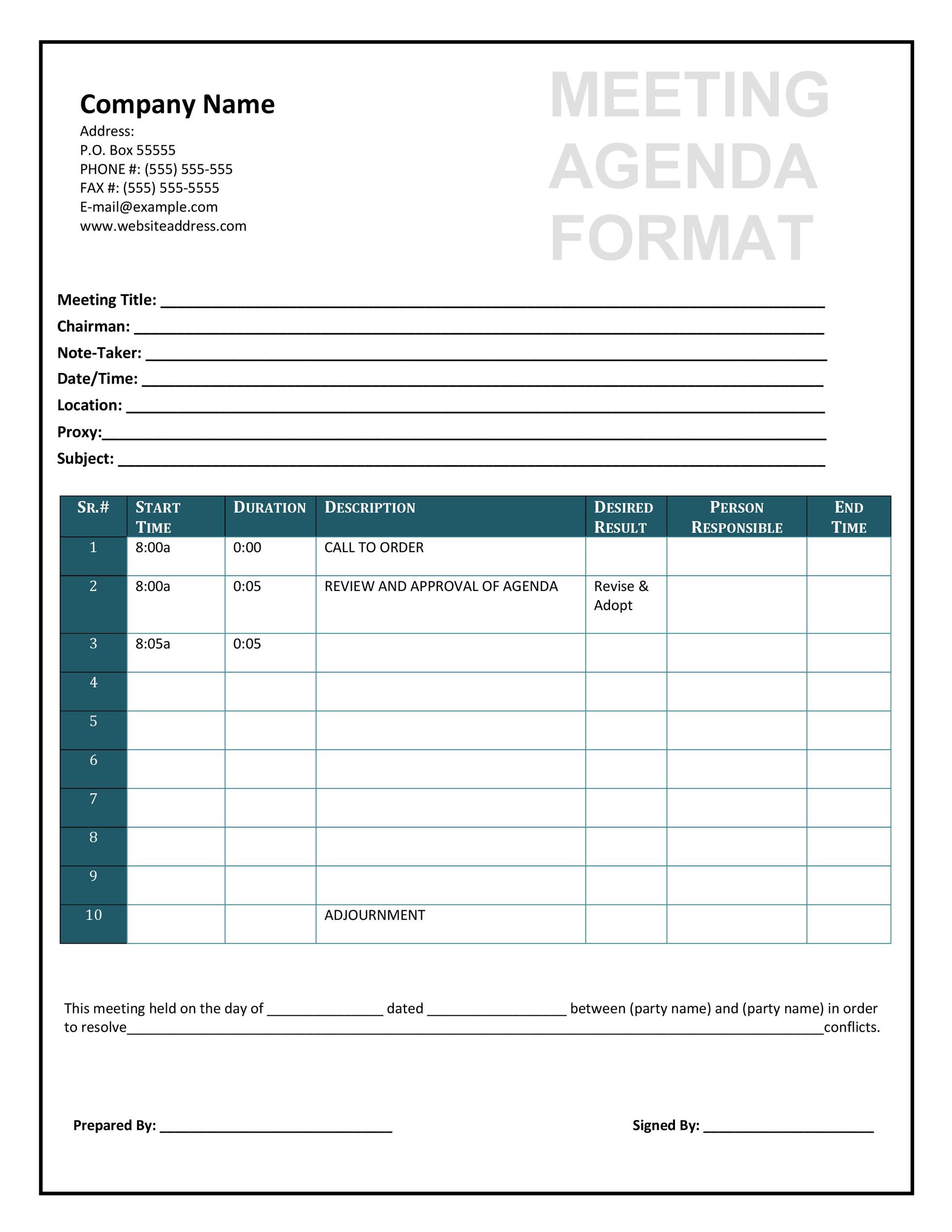
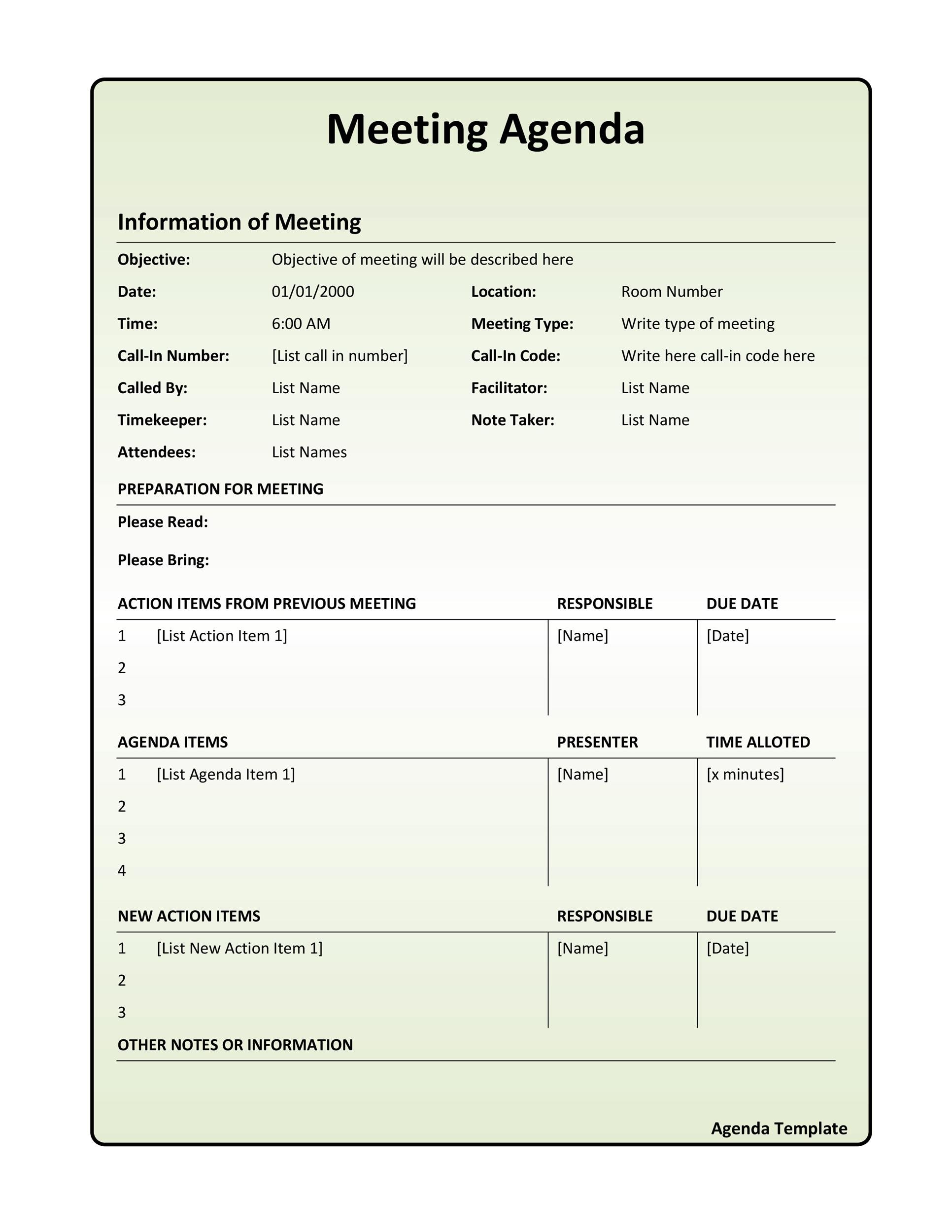
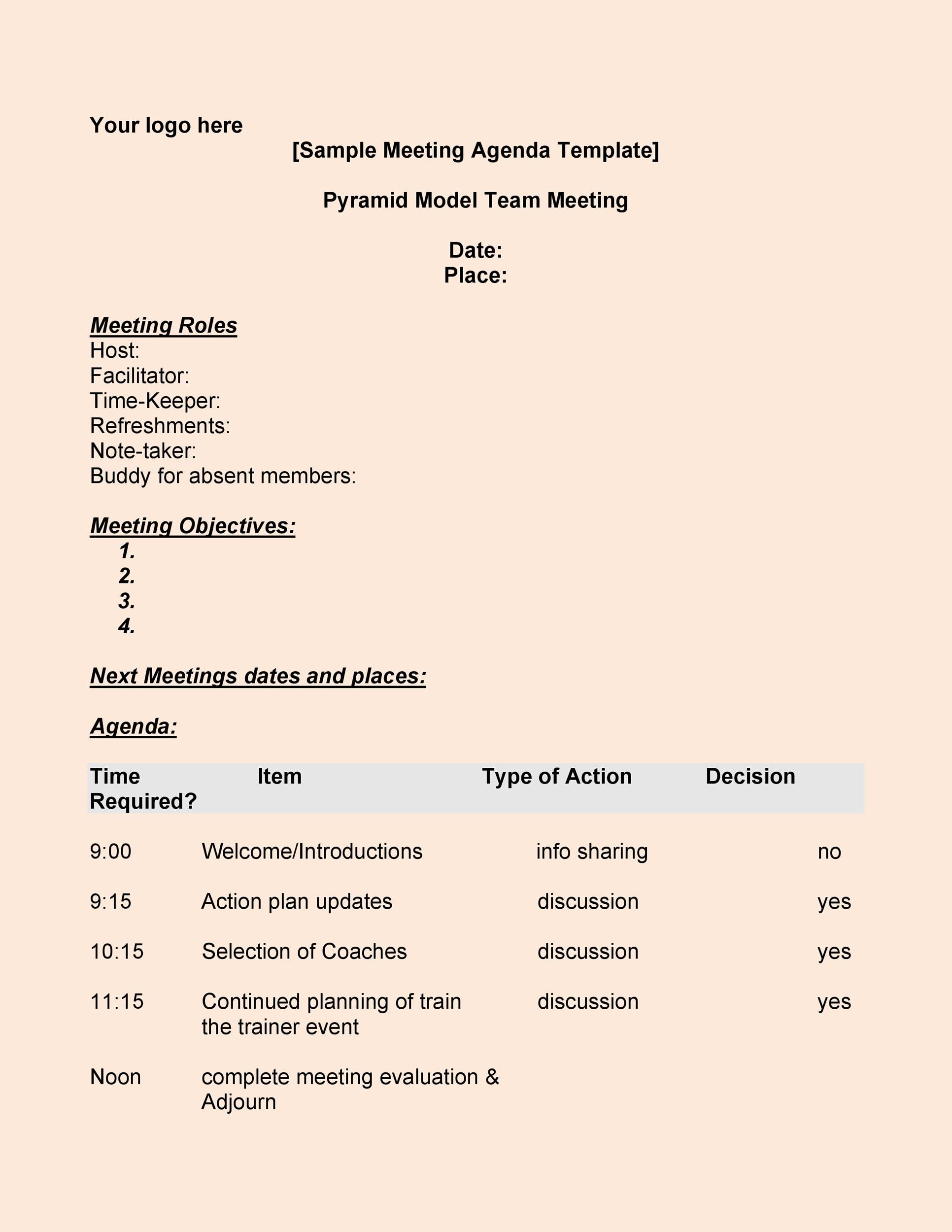
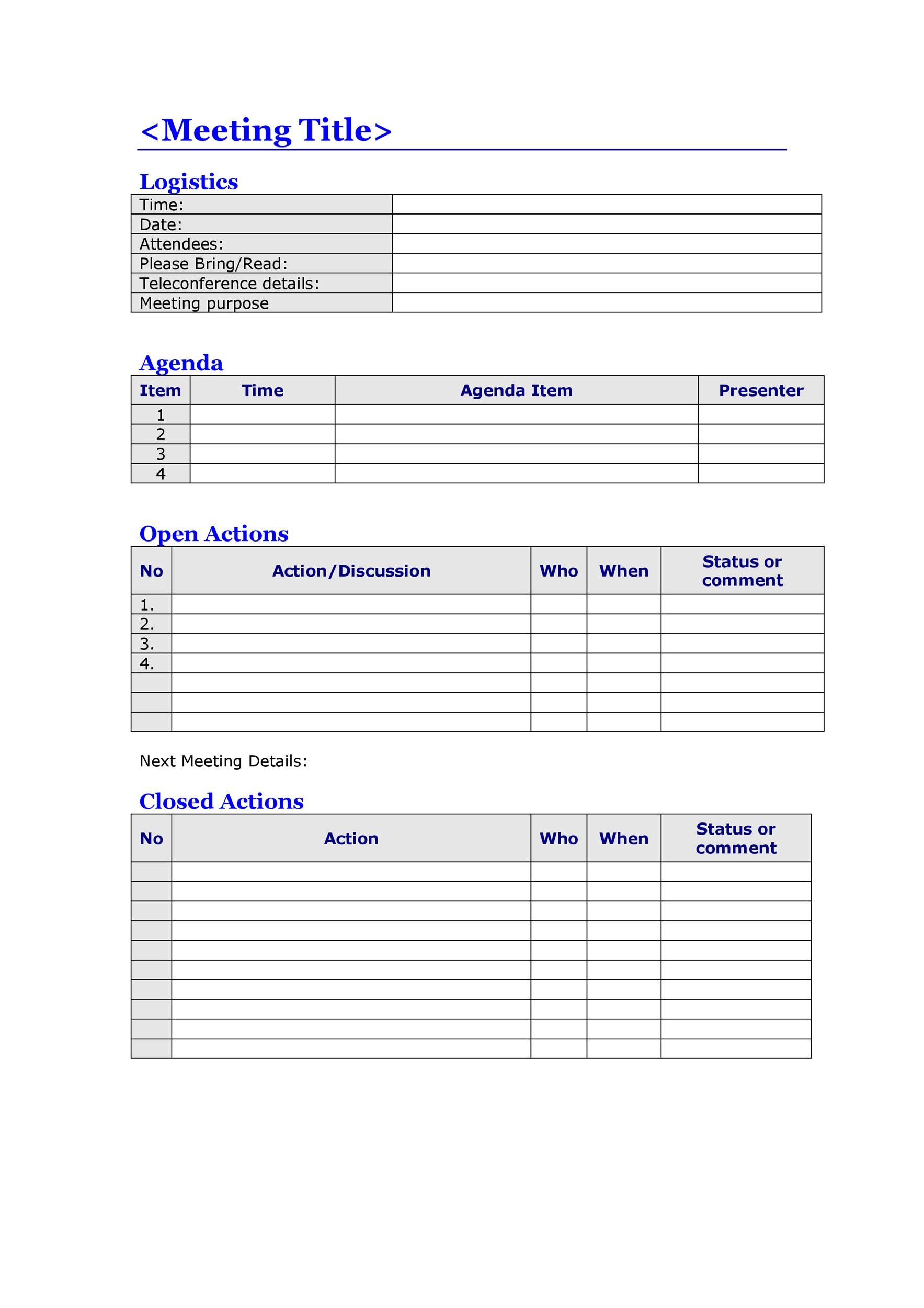
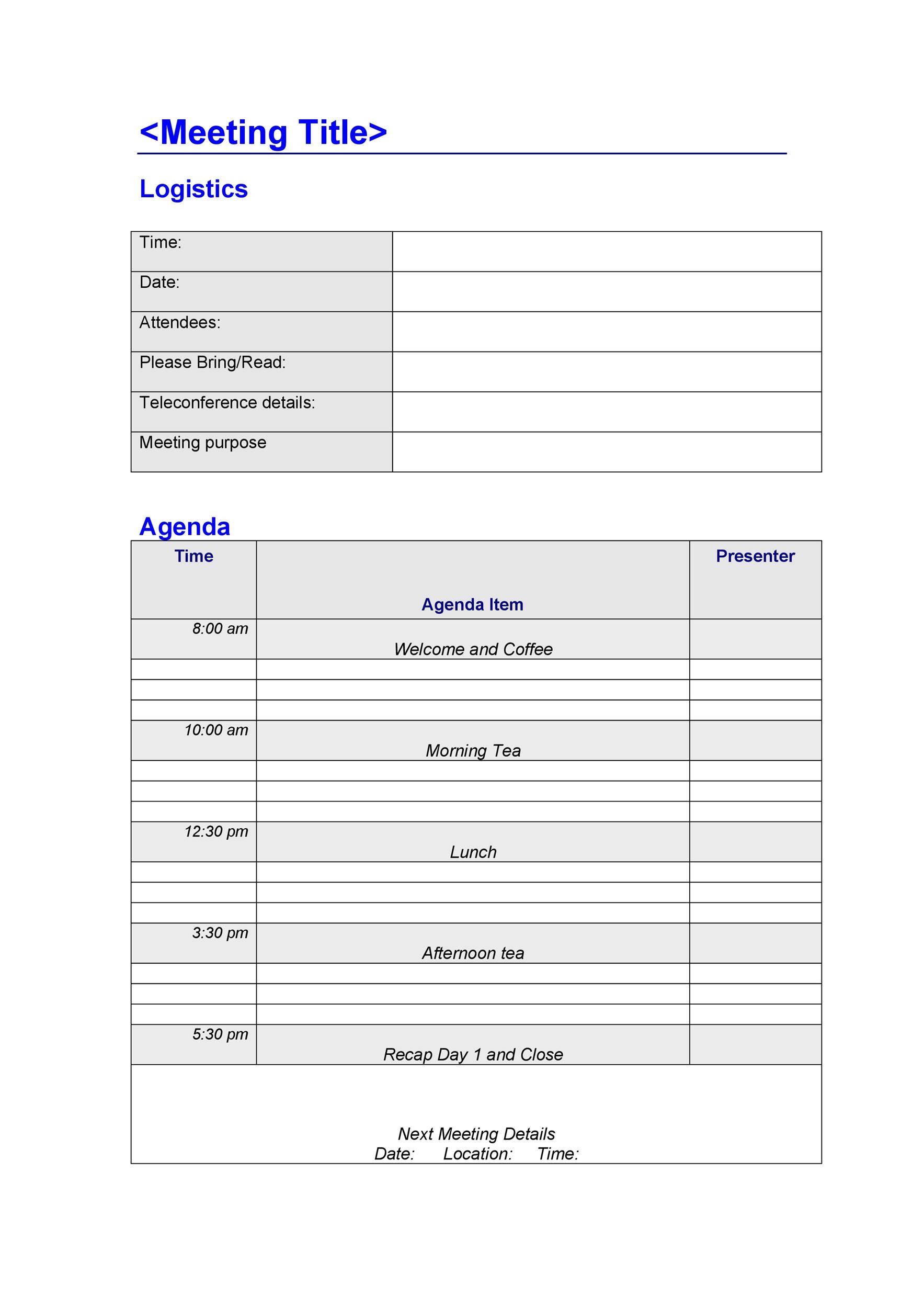
- Meeting Purpose: Clearly define the objective of the meeting.
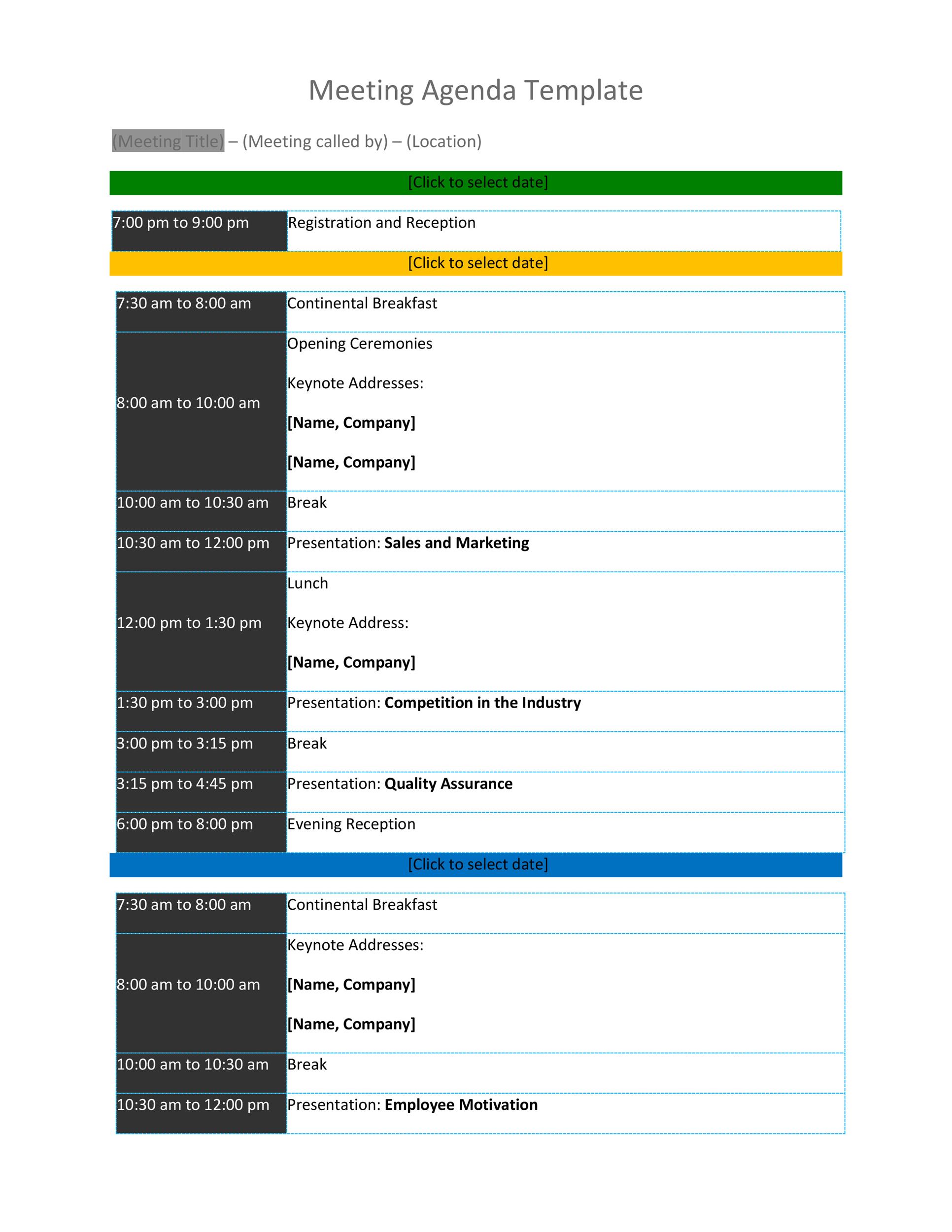
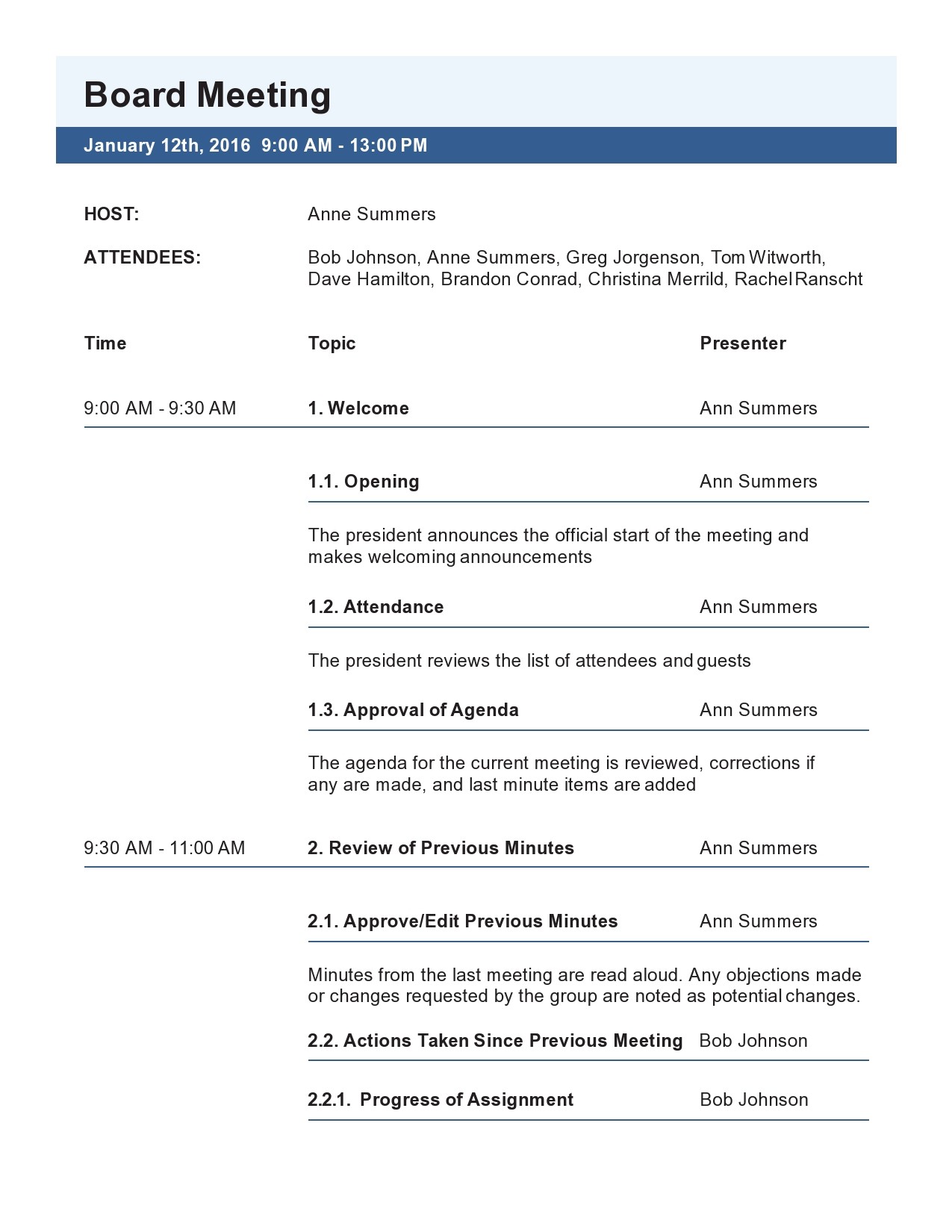
- Agenda Items: List down the topics to be discussed in chronological order.
- Time Allocation: Assign specific time slots for each agenda item to ensure that the meeting stays on schedule.
- Presenter: Specify who will lead the discussion for each agenda item.
- Preparation: Include any pre-meeting materials or tasks that participants need to complete before the meeting.
- Follow-up Actions: Outline the next steps or action items that result from the meeting.
Examples
How to Create an Effective Meeting Agenda
Creating an effective meeting agenda involves careful planning and consideration. Here are some tips to help you craft a successful agenda:
1. Understand the Meeting Objective
Before drafting the agenda, ensure that you have a clear understanding of the meeting’s purpose and objectives. This will help you determine the key topics that need to be addressed.
2. Prioritize Agenda Items
List down the agenda items in order of priority, with the most important topics at the beginning. This ensures that crucial discussions are given adequate time and attention.
3. Allocate Time Wisely
Assign specific time slots for each agenda item, taking into account the complexity and importance of the topic. Be realistic about the time needed for discussion to prevent overrunning the meeting.
4. Communicate the Agenda in Advance
Share the meeting agenda with participants well ahead of time to allow them to prepare adequately. This ensures that everyone is on the same page and can contribute effectively to the discussion.
5. Stick to the Agenda
During the meeting, make sure to follow the agenda closely and steer the discussion back on track if it starts to deviate. This helps in maximizing productivity and achieving the meeting objectives.
6. Review and Reflect
After the meeting, review the agenda to assess its effectiveness. Identify any areas for improvement and use feedback from participants to refine future agendas for better outcomes.
Tips for Successful Meetings
In addition to creating a well-structured meeting agenda, here are some additional tips for conducting successful meetings:
- Encourage Participation: Create a collaborative environment where all participants feel comfortable sharing their ideas and opinions.
- Set Clear Objectives: Ensure that everyone knows the purpose of the meeting and what is expected of them.
- Manage Time Effectively: Stick to the agenda and allocate time wisely to prevent unnecessary delays.
- Document Key Points: Assign someone to take minutes during the meeting to capture important discussions and action items.
- Follow Up: Send out meeting minutes and follow-up on action items to ensure accountability and progress.
By mastering the art of creating and implementing effective meeting agendas, you can transform your meetings into productive and efficient sessions that drive meaningful outcomes for your organization.
Meeting Agenda Template – Download
