In the world of business, protecting sensitive information is crucial. This is where non-disclosure agreements, commonly known as NDAs, come into play. An NDA is a legal contract between two parties to ensure that confidential information shared between them remains private and secure. Whether you’re a business owner, an employee, or a freelancer, understanding the ins and outs of NDAs is essential for safeguarding your intellectual property.
What is a Non-Disclosure Agreement?
A non-disclosure agreement is a legally binding contract that establishes a confidential relationship between two or more parties. Also known as a confidentiality agreement, an NDA outlines the specific information that needs to be kept confidential and the terms under which it should be shared. By signing an NDA, the parties involved agree not to disclose any confidential information to third parties or use it for their benefit without permission.
Non-disclosure agreements are commonly used in a variety of business contexts, such as:
- Employment agreements: Employers may require employees to sign NDAs to protect proprietary information.
- Business partnerships: When two companies collaborate on a project, they may use an NDA to safeguard trade secrets.
- Freelance contracts: Freelancers often sign NDAs to ensure that the work they do for clients remains confidential.
Why are Non-Disclosure Agreements Important?
Non-disclosure agreements serve as a critical tool for protecting sensitive information and intellectual property. By outlining the terms of confidentiality and consequences for breaching the agreement, NDAs provide a sense of security for businesses and individuals when sharing proprietary information. Without an NDA in place, there is a risk that confidential data could be misused or disclosed to competitors, leading to potential financial loss or damage to reputation.
Some key benefits of using non-disclosure agreements include:
- Protection of trade secrets: NDAs help prevent the unauthorized disclosure of valuable business information.
- Legal recourse: If a breach of confidentiality occurs, the party that violated the NDA can be held legally accountable.
- Clarity and trust: By clearly defining what information is confidential, NDAs establish trust between parties sharing sensitive data.
What to Include in a Non-Disclosure Agreement
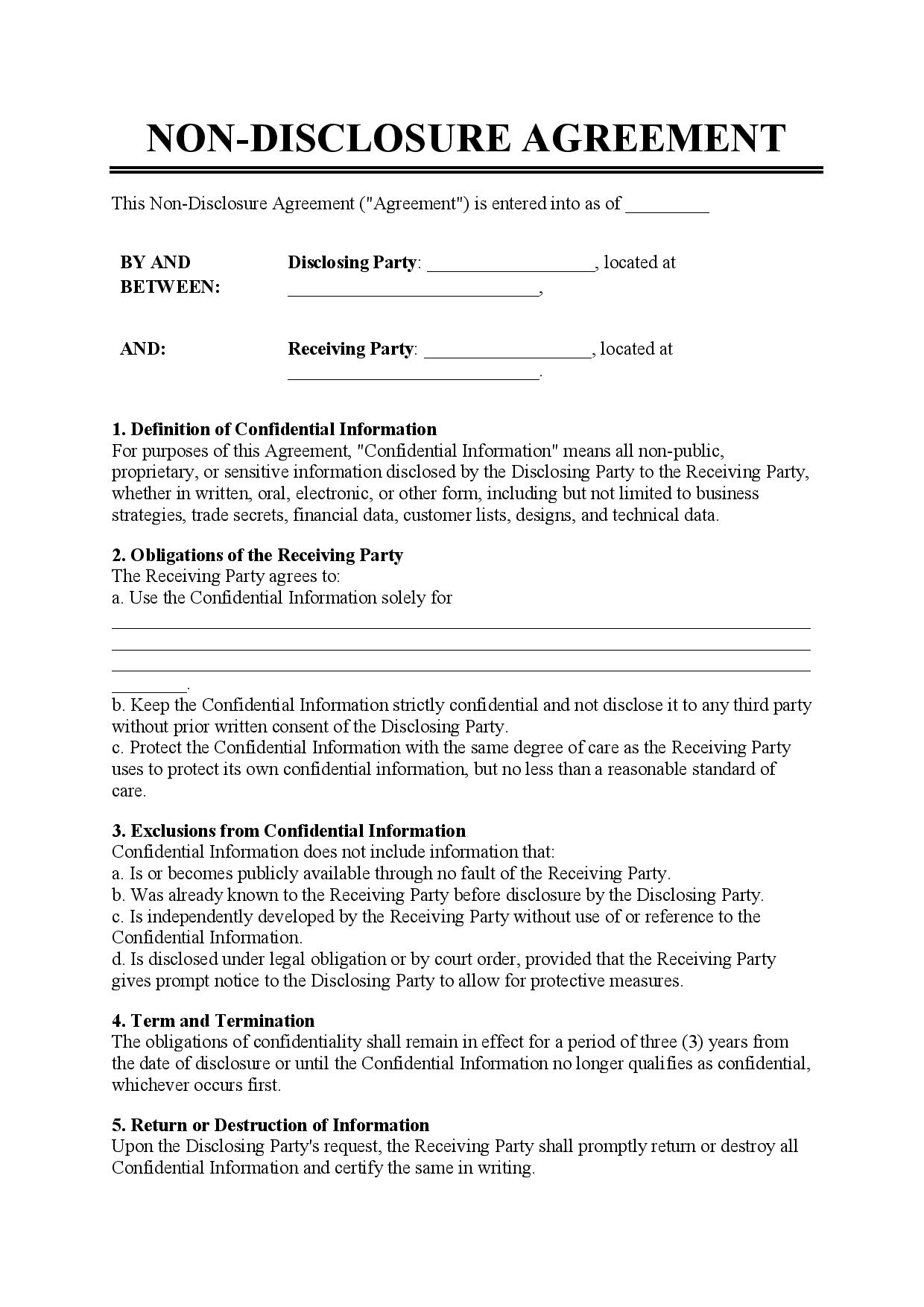
When drafting a non-disclosure agreement, it’s essential to include specific details to ensure that all parties are clear on the terms of confidentiality. The following elements are typically included in an NDA:
- Definition of confidential information: Clearly define what information is considered confidential and should be protected under the agreement.
- Obligations of the parties: Outline each party’s responsibilities for handling and protecting confidential information.
- Duration of confidentiality: Specify the time period during which the information must remain confidential and when the NDA expires.
- Exclusions from confidentiality: Identify any information that is exempt from the NDA, such as publicly available data or information already known to the receiving party.
- Consequences of breach: Clearly state the repercussions for breaching the NDA, including potential legal action and damages.
How to Enforce a Non-Disclosure Agreement
Enforcing a non-disclosure agreement requires vigilance and adherence to the terms outlined in the contract. In the event of a suspected breach of confidentiality, the following steps can be taken to enforce an NDA:
- Investigate the breach: Gather evidence to support the claim of a breach of confidentiality, such as emails, documents, or witness statements.
- Send a cease-and-desist letter: Notify the party that breached the NDA of the violation and demand that they stop disclosing confidential information.
- Consider legal action: If the breach is severe or ongoing, consult with a lawyer to pursue legal remedies, such as seeking damages or an injunction.
Tips for Successful Non-Disclosure Agreements
To ensure the effectiveness of a non-disclosure agreement, consider the following tips when creating and implementing an NDA:
- Customize the agreement: Tailor the NDA to the specific circumstances of the business relationship to address unique confidentiality concerns.
- Use clear language: Avoid jargon and legal terms that may confuse the parties involved, and ensure that all signatories easily understand the agreement.
- Obtain legal advice: When in doubt, seek the guidance of a legal professional to draft or review the NDA to ensure its enforceability.
- Regularly update the agreement: Review and revise the NDA periodically to account for changes in the business relationship or updates in laws governing confidentiality.
- Train employees on NDAs: Educate staff on the importance of confidentiality and the obligations outlined in the NDA to prevent inadvertent breaches.
Non-disclosure agreements play a crucial role in safeguarding confidential information and intellectual property in the business world. By understanding the purpose, components, and enforcement of NDAs, individuals and organizations can protect their valuable assets and maintain trust in their business relationships. Whether you’re a startup founder, a freelancer, or a corporate executive, having a solid grasp of non-disclosure agreements is essential for safeguarding your business interests and maintaining confidentiality.
Non-Disclosure Agreement Template
