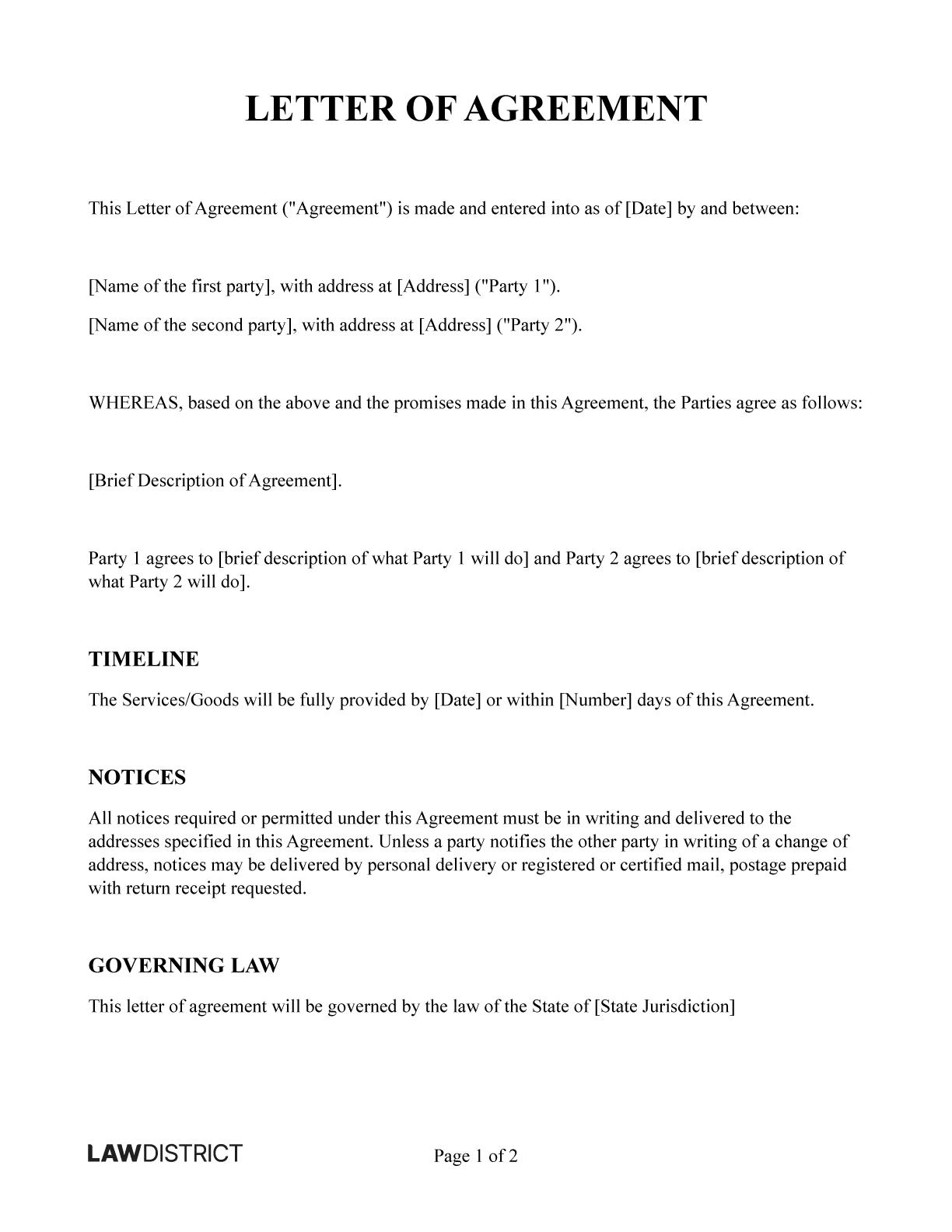
When it comes to formalizing business deals, a letter of agreement plays a crucial role in outlining the terms and conditions between parties involved. This document serves as a written confirmation of the agreed-upon terms, providing a clear understanding of the responsibilities and expectations of each party. In this article, we will delve into the key aspects of a letter of agreement, its significance, and how to create an effective one for your business.
What is a Letter of Agreement?
A letter of agreement is a legally binding document that outlines the terms and conditions of a business arrangement between two or more parties. It serves as a written record of the agreed-upon terms and helps prevent misunderstandings or disputes in the future. This document is commonly used in various business transactions, such as partnerships, collaborations, and service agreements.
Why is a Letter of Agreement Important?
A letter of agreement is essential for establishing the expectations and responsibilities of each party involved in a business deal. By clearly outlining the terms and conditions, this document helps ensure that all parties are on the same page and understand their obligations. In case of any disputes or disagreements, the letter of agreement can serve as evidence of the agreed-upon terms.
What to Include in a Letter of Agreement
When creating a letter of agreement, it is important to include specific details that clearly define the terms and conditions of the business arrangement. Some key elements to include in a letter of agreement are:
- Parties Involved: Clearly state the names and contact information of all parties involved in the agreement.
- Scope of Work: Outline the specific services or deliverables that will be provided as part of the agreement.
- Payment Terms: Specify the payment schedule, rates, and any other financial terms agreed upon.
- Term and Termination: Define the duration of the agreement and the conditions under which it can be terminated.
- Confidentiality: Include provisions for protecting confidential information shared during the business arrangement.
- Dispute Resolution: Outline the process for resolving disputes between the parties.
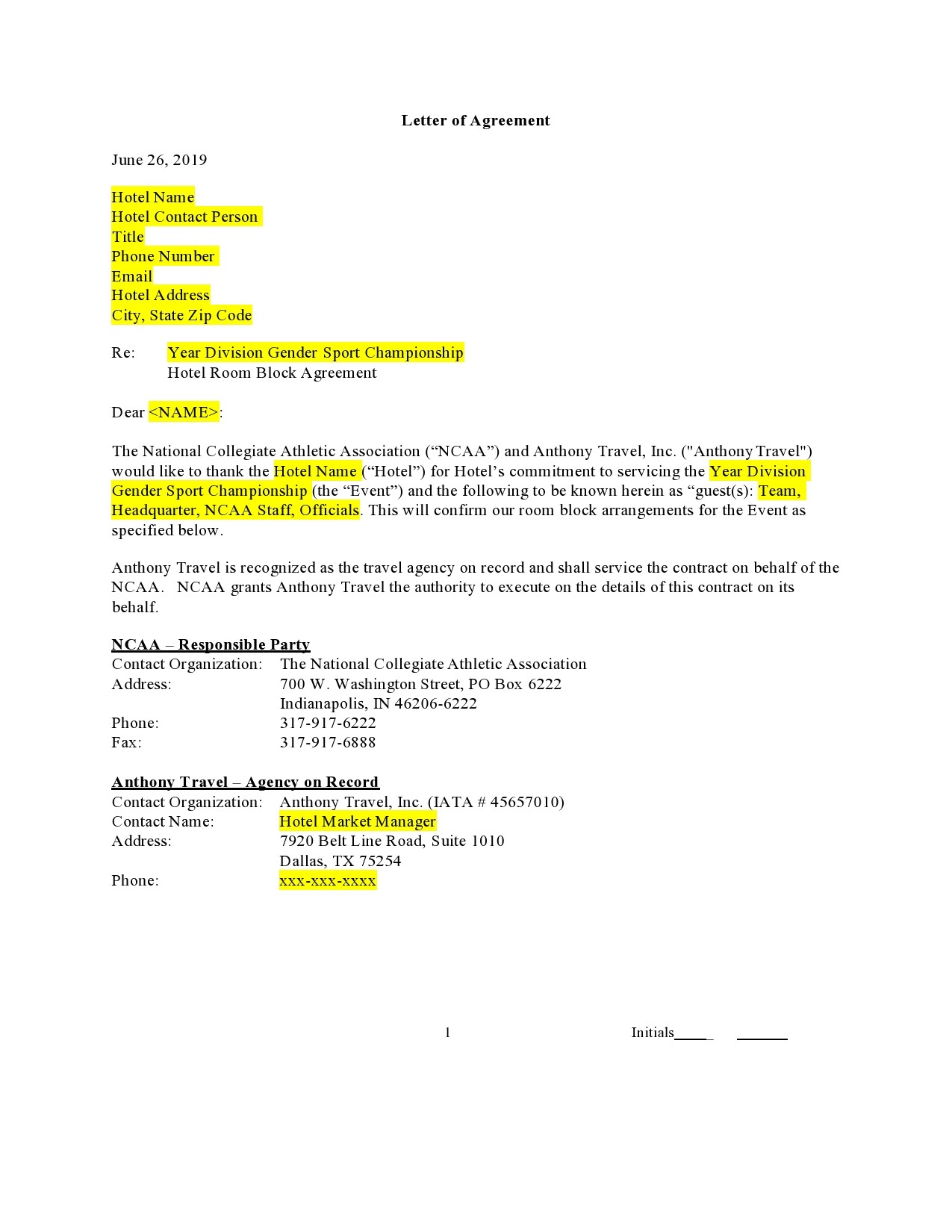
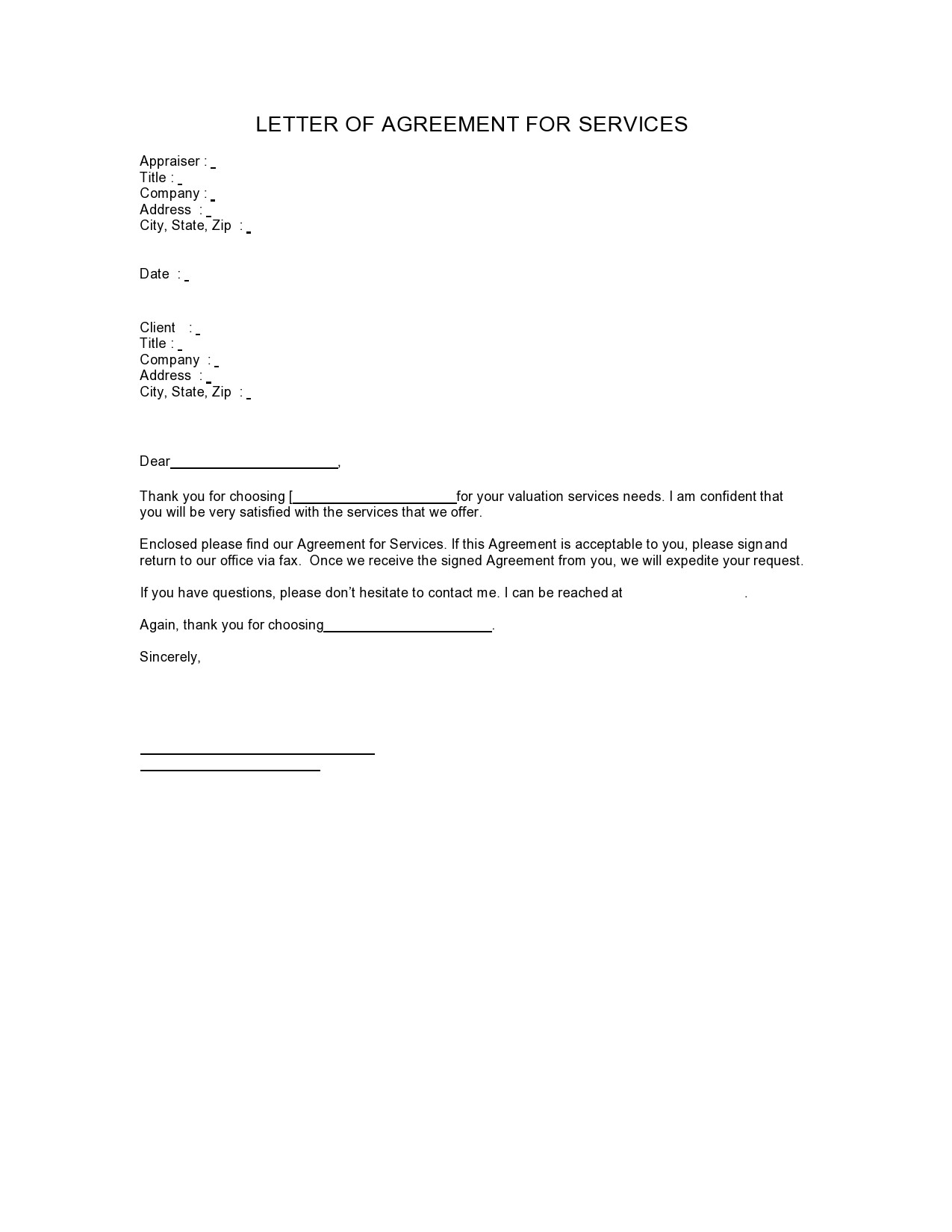
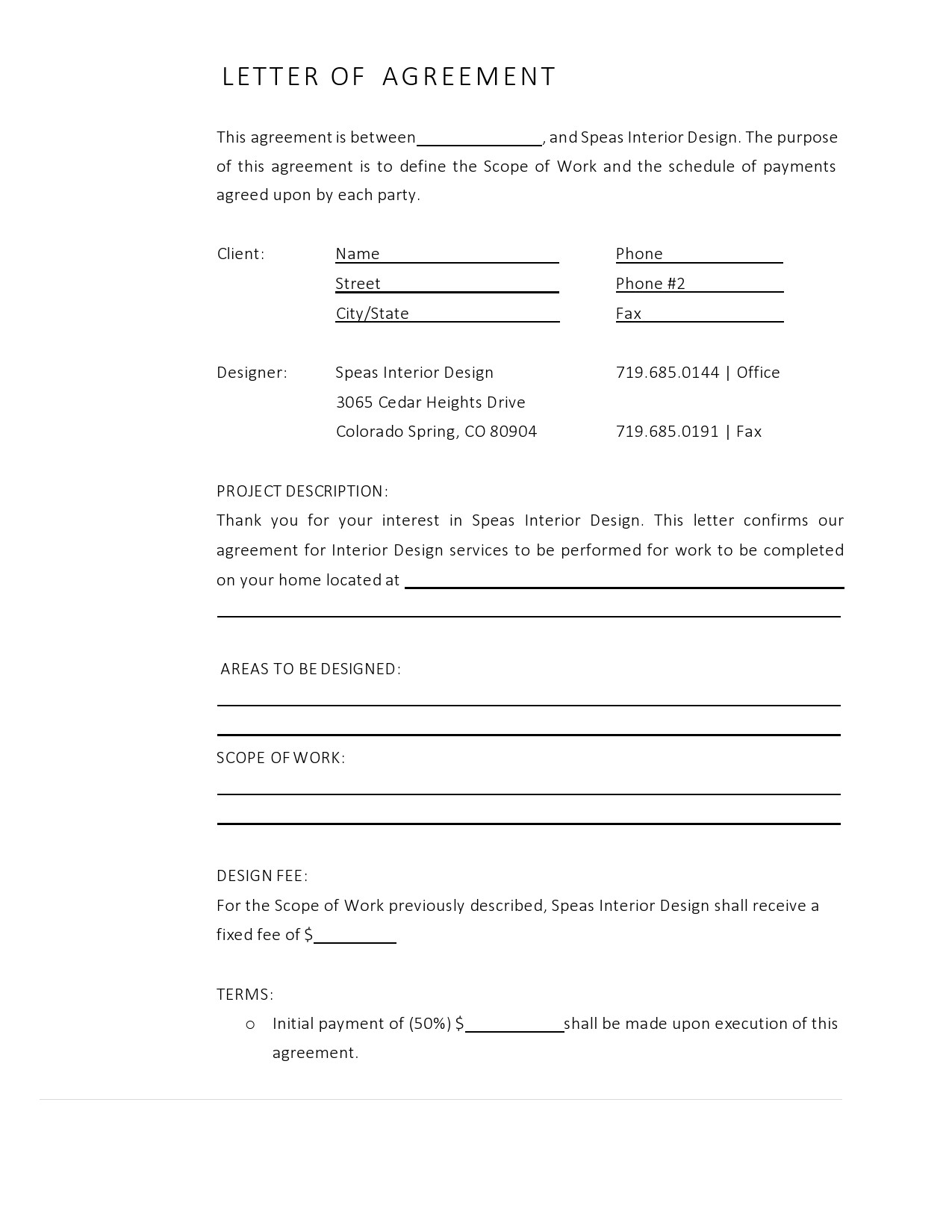

How to Create an Effective Letter of Agreement
Creating an effective letter of agreement involves careful consideration of the terms and conditions that need to be included. Here are some tips for drafting a comprehensive and clear letter of agreement:
- Be Specific: Clearly define the scope of work, payment terms, and other important details.
- Use Simple Language: Avoid using jargon or complex language that may lead to misunderstandings.
- Include All Parties’ Information: Make sure to include the names, addresses, and contact information of all parties involved.
- Set Clear Expectations: Outline the responsibilities and expectations of each party involved in the agreement.
- Review and Revise: Thoroughly review the letter of agreement before finalizing it and make any necessary revisions.
- Seek Legal Advice: If needed, consult with a legal professional to ensure that your letter of agreement is legally sound.
Tips for Successful Letter of Agreement
For a successful letter of agreement, it is important to follow these tips to ensure clarity and effectiveness:
- Communicate Clearly: Use simple and straightforward language to avoid any confusion.
- Document Everything: Make sure to document all discussions and agreements in writing to avoid misunderstandings.
- Get Signatures: Have all parties involved sign the letter of agreement to demonstrate their acceptance of the terms.
- Keep Copies: Maintain copies of the signed agreement for your records and future reference.
- Update as Needed: Regularly review and update the letter of agreement to reflect any changes in the business arrangement.
Conclusion
A letter of agreement is a vital document in formalizing business deals and creating a clear understanding between parties involved. By including specific details and following the tips outlined in this article, you can create an effective and successful letter of agreement for your business transactions.
