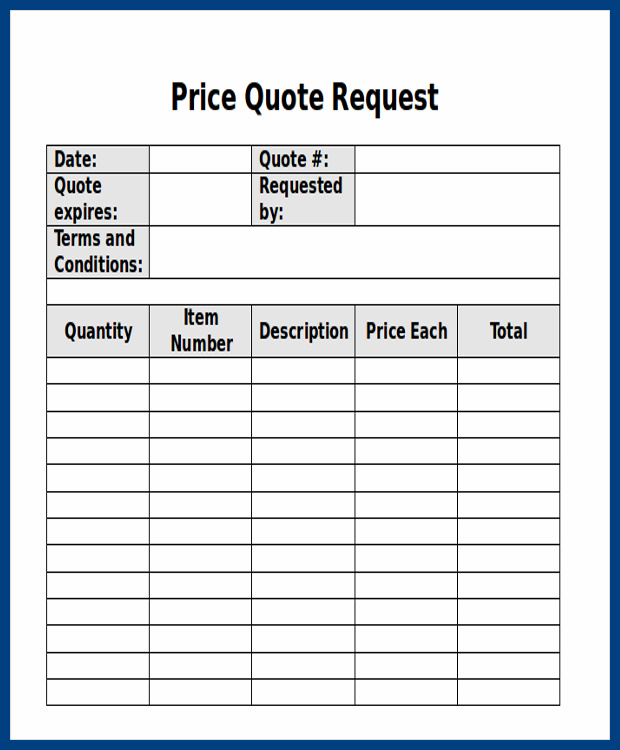
When it comes to purchasing goods or services for your business, one of the most crucial steps is obtaining a quote. A request for quote (RFQ) is a document that businesses use to solicit bids from potential suppliers. This process allows businesses to compare prices, quality, and terms before making a decision. In this comprehensive guide, we will explore the ins and outs of the request for quote process, including its importance, key elements, and tips for success.
What is a Request for Quote?
A request for quote (RFQ) is a formal document that businesses send to potential suppliers to request pricing information for goods or services. The RFQ outlines the specifications, quantity, and terms of the products or services needed, and suppliers are expected to respond with a detailed quote that includes pricing, delivery time, and any other relevant information. This process allows businesses to gather competitive bids and select the supplier that best meets their needs.
Why Request for Quote is Important
The request for quote process is essential for businesses looking to make informed purchasing decisions. By soliciting quotes from multiple suppliers, businesses can compare prices, quality, and terms to ensure they are getting the best value for their money. RFQs also help businesses establish relationships with reliable suppliers and streamline the procurement process by providing clear guidelines for both parties.
Key Elements of a Request for Quote
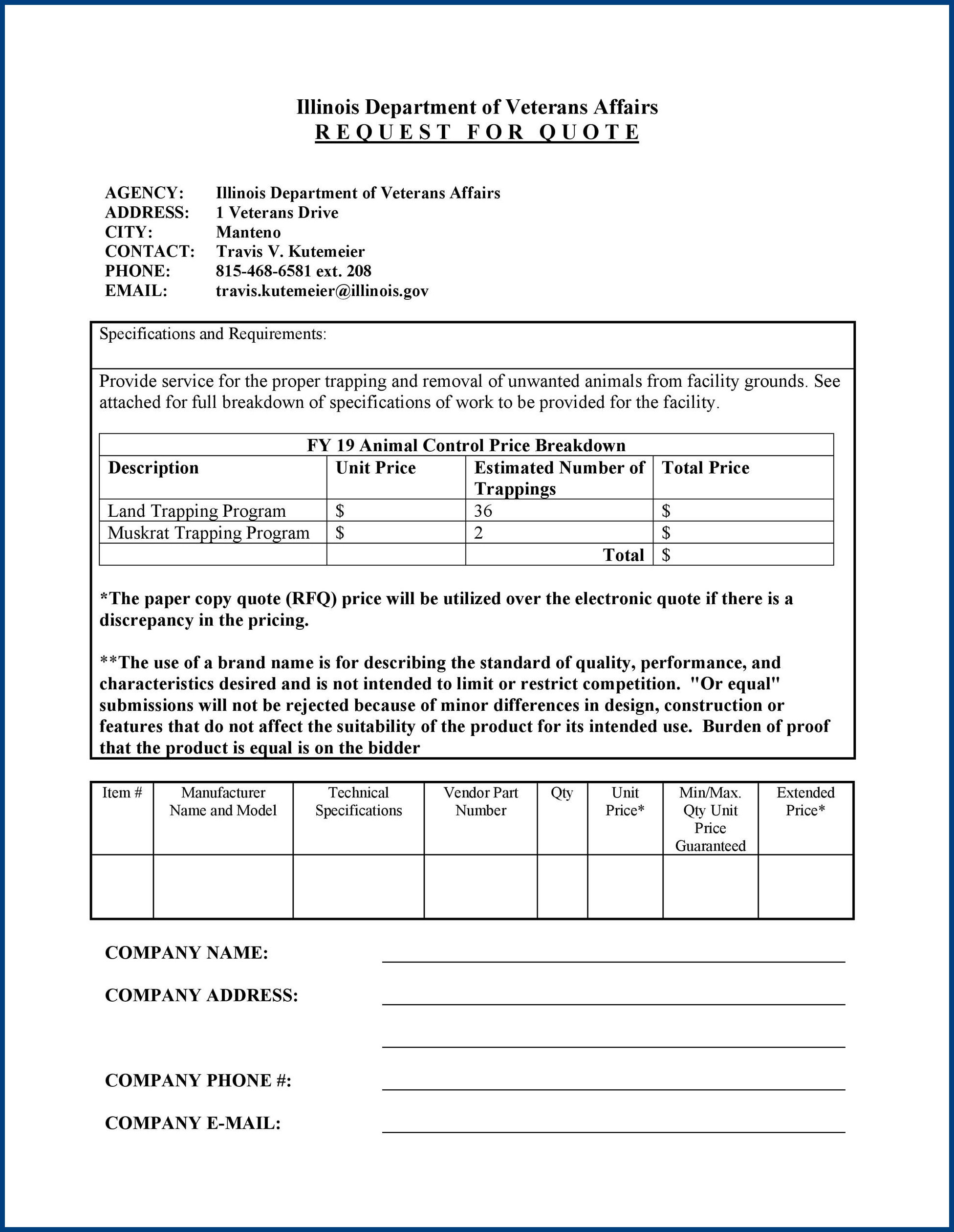
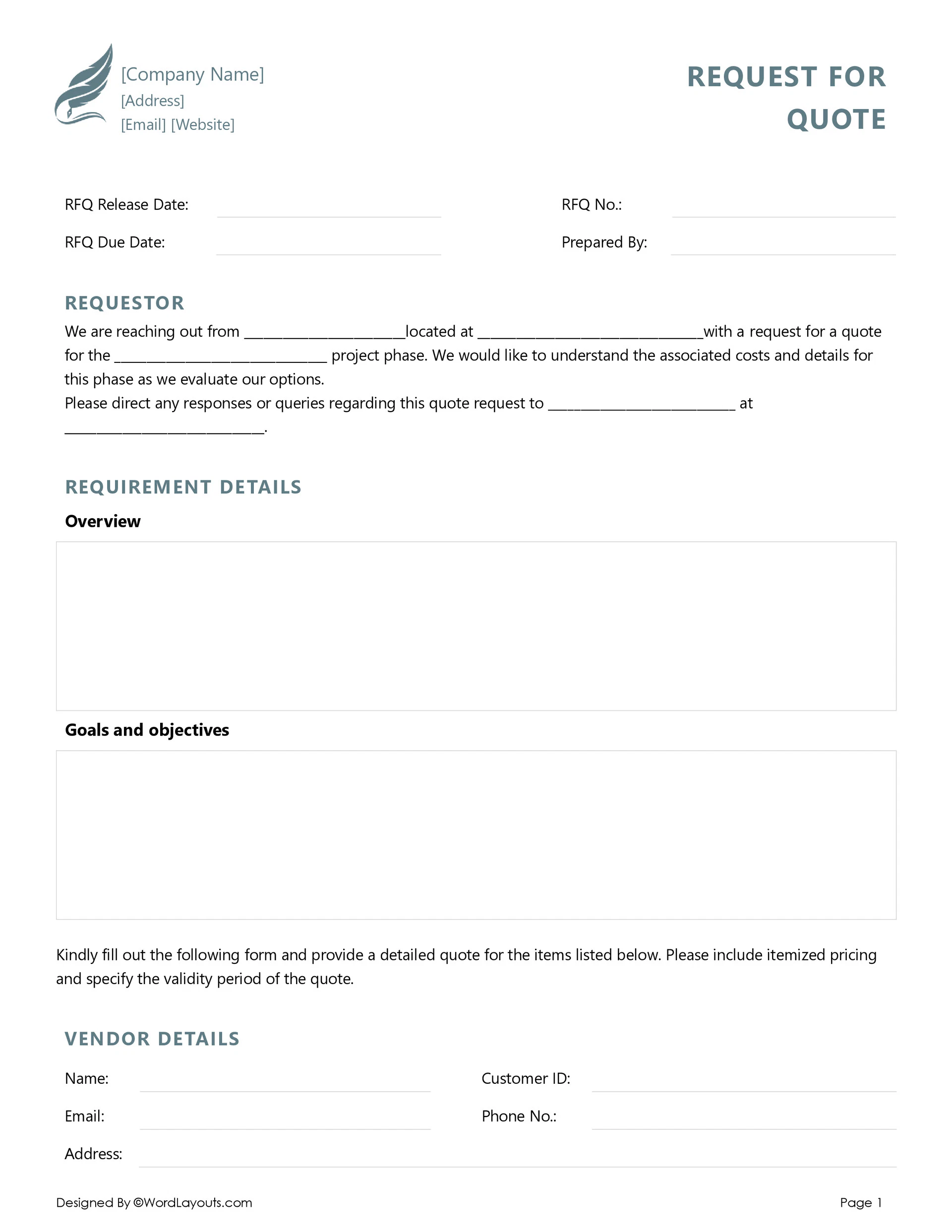
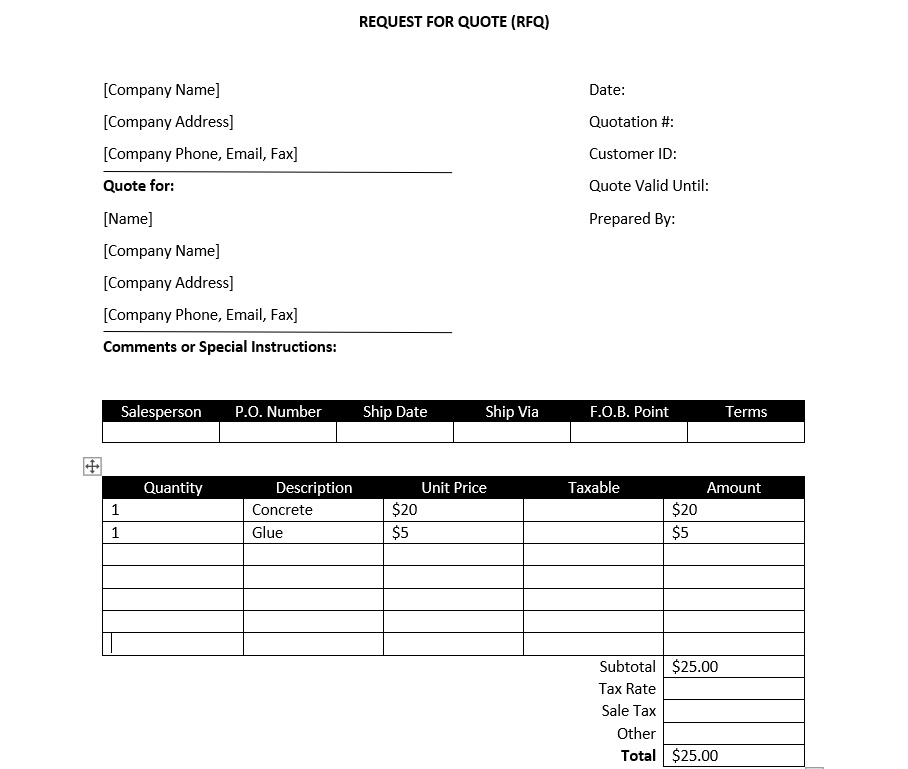
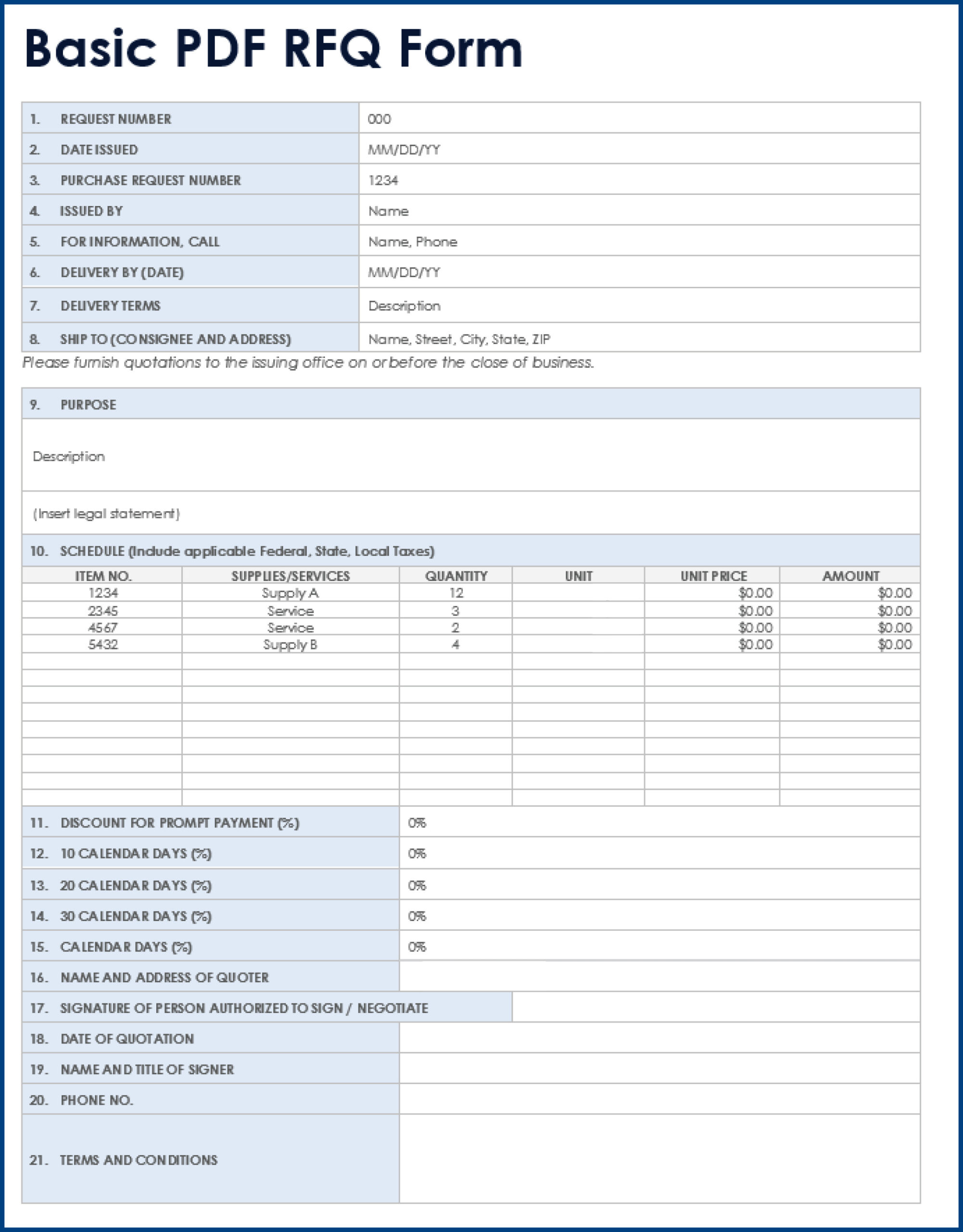
When creating a request for quote, it is important to include the following key elements:
- Product or Service Specifications. Provide detailed information about the products or services needed, including quantity, quality standards, and any specific requirements.
- Delivery Requirements. Clearly outline the expected delivery time, location, and any special instructions for shipping or handling.
- Pricing Details. Specify the pricing structure, including unit prices, discounts, and any additional fees or charges.
- Terms and Conditions. Include payment terms, warranty information, return policies, and any other terms that suppliers need to adhere to.
- Deadline for Submission. Set a deadline for suppliers to submit their quotes to ensure timely responses.
How to Create an Effective Request for Quote
Follow these tips to create an effective request for quote that will attract competitive bids and help you make the best purchasing decision:
- Be Clear and Concise. Provide detailed but easy-to-understand information about your requirements to avoid confusion.
- Include Specific Details. Specify quantities, quality standards, delivery requirements, and any other important information to help suppliers provide accurate quotes.
- Request Quotes from Multiple Suppliers. Reach out to a diverse range of suppliers to compare prices, quality, and terms before making a decision.
- Review and Compare Quotes Carefully. Analyze each quote thoroughly to ensure you are getting the best value for your money.
- Communicate Clearly with Suppliers. Stay in touch with suppliers throughout the process to clarify any questions or concerns they may have.
Tips for Successful Request for Quote Process
Follow these additional tips to ensure a successful request for quote process:
1. Develop a Clear RFQ Template
Create a standardized template that includes all the necessary information for suppliers to provide accurate quotes.
2. Build Relationships with Suppliers
Establish good relationships with reliable suppliers to streamline the RFQ process and ensure timely responses.
3. Negotiate Terms and Pricing
Don’t be afraid to negotiate with suppliers to get the best deal possible while maintaining a fair and professional relationship.
4. Evaluate Supplier Performance
Monitor and evaluate supplier performance to ensure they are meeting your expectations and delivering quality products or services.
5. Communicate Effectively
Keep the lines of communication open with suppliers to address any issues or concerns promptly and maintain a positive working relationship.
6. Track and Analyze RFQ Data
Keep track of RFQ data, including response times, pricing trends, and supplier performance, to make informed decisions for future purchases.
7. Provide Feedback to Suppliers
Offer constructive feedback to suppliers to help them improve their quotes and services, leading to better outcomes for your business.
In Conclusion
The request for quote process is a critical step in the procurement process for businesses looking to make informed purchasing decisions. By following the key elements and tips outlined in this guide, you can create an effective RFQ that attracts competitive bids and helps you select the best supplier for your needs. Remember to communicate clearly, negotiate terms, and evaluate supplier performance to ensure a successful RFQ process.
