As we navigate through the myriad of tasks, appointments, and deadlines that make up our daily lives, it’s easy to feel overwhelmed and scattered. However, with the help of a reliable monthly planner, you can take control of your schedule and achieve a sense of order and clarity.
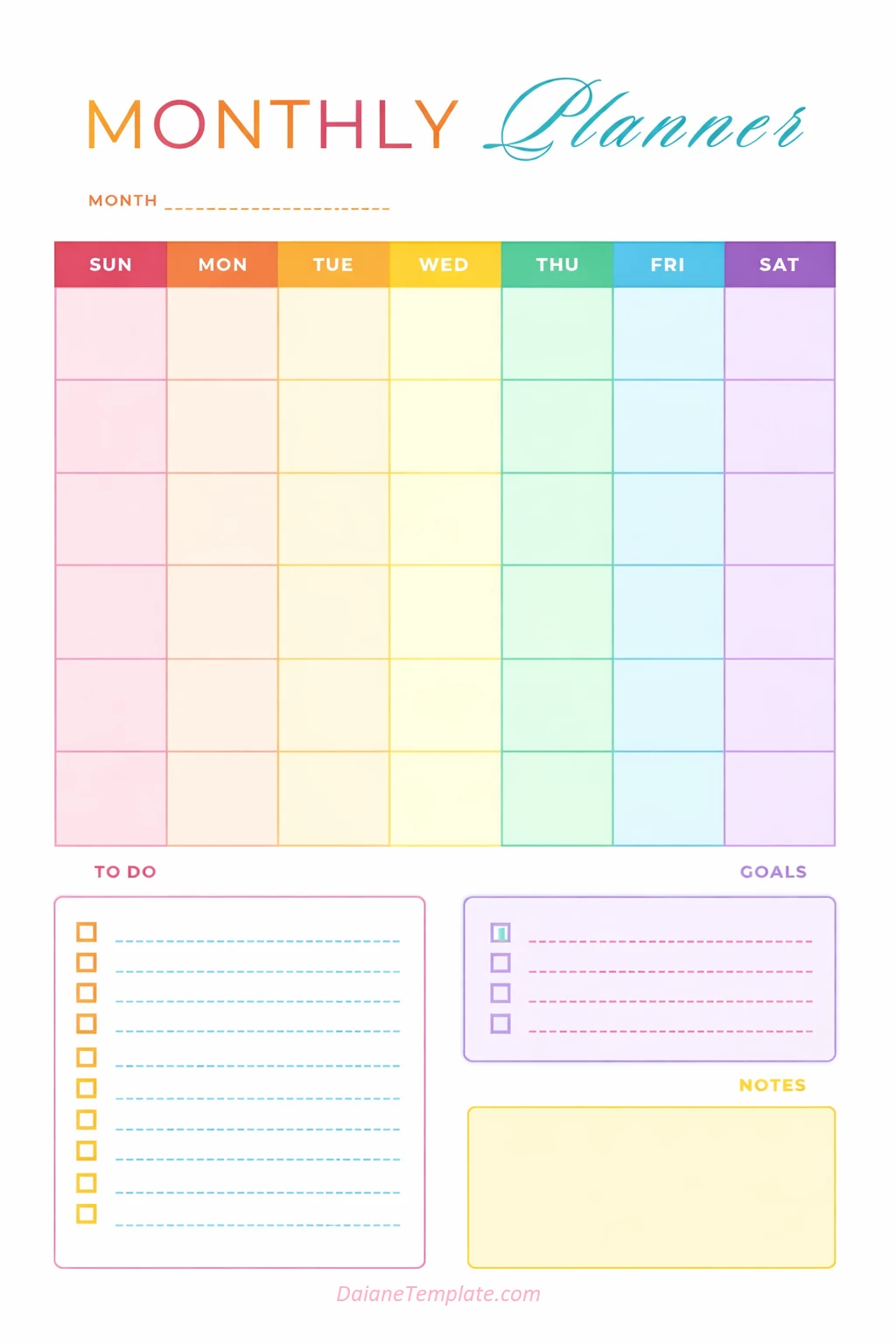
A monthly planner serves as your external brain, providing a comprehensive overview of the entire month and enabling effective organization, time management, and goal achievement. By tracking appointments, deadlines, and important events, a monthly planner reduces stress, prevents forgotten obligations, and fosters a proactive mindset for successfully managing personal and professional responsibilities.
What is a Monthly Planner?
A monthly planner is a tool that allows individuals to visually map out their commitments, tasks, and goals for the upcoming month. It typically consists of a calendar layout that displays the entire month at a glance, with ample space for writing down appointments, deadlines, and other important events.
Some monthly planners also include additional sections for notes, to-do lists, and goal tracking.
Why Use a Monthly Planner?
There are numerous benefits to using a monthly planner to stay organized and on track. Here are some key reasons why incorporating a monthly planner into your routine can lead to increased productivity and success:
Effective Time Management
One of the primary benefits of using a monthly planner is that it helps you manage your time more effectively. By having a visual representation of your schedule, you can see at a glance what tasks and appointments you have coming up. This allows you to plan your days more efficiently, allocate time for important tasks, and avoid overcommitting yourself. Effective time management is crucial for productivity and success in both personal and professional life.
Goal Achievement
Another key benefit of using a monthly planner is that it can help you track and achieve your goals. By setting specific goals for the month and breaking them down into actionable steps, you can make steady progress towards achieving them. A monthly planner provides a space for you to track your goals, monitor your progress, and celebrate your achievements. This focus on goal achievement can help you stay motivated and maintain momentum throughout the month.
Reduced Stress
One of the most significant advantages of using a monthly planner is that it can help reduce stress and feelings of overwhelm. When you have all your commitments and deadlines laid out in one place, you can avoid the last-minute scramble to remember important tasks. A monthly planner allows you to plan, prioritize your tasks and ensure that nothing slips through the cracks. This sense of organization and control can significantly reduce stress and anxiety associated with managing a busy schedule.
Prevention of Forgotten Obligations
Using a monthly planner is an effective way to prevent forgotten obligations and missed deadlines. By recording all your appointments, meetings, and tasks in your planner, you have a visual reminder of what needs to be done each day. This proactive approach to scheduling helps you stay on top of your commitments and ensures that you don’t overlook important events. Whether it’s a work deadline, a social engagement, or a personal appointment, a monthly planner can help you stay organized and accountable.
Proactive Mindset
Lastly, a monthly planner can help foster a proactive mindset when it comes to managing your responsibilities. By planning, setting goals, and prioritizing tasks, you can take control of your schedule and work towards achieving success. A monthly planner encourages you to be proactive in managing your time, rather than reacting to last-minute demands and crises. This proactive approach can lead to increased productivity, improved time management, and a greater sense of accomplishment.
Key Elements of a Monthly Planner
When selecting a monthly planner, there are several key elements to consider to ensure it meets your needs and preferences:
Calendar Layout
The calendar layout of a monthly planner is a crucial element to consider when choosing the right planner for you. Some planners feature a traditional grid format, with each day of the month laid out in rows and columns. Others may have a more creative design, such as a bullet journal-style layout or a minimalist aesthetic. The calendar layout you choose should be intuitive and easy to use, allowing you to quickly reference dates, appointments, and deadlines.
Space for Notes
Another important element to look for in a monthly planner is ample space for taking notes. In addition to recording appointments and events, you may want to jot down ideas, to-do lists, or reminders. A planner with dedicated note-taking sections or blank pages can provide the space you need to capture important information and keep all your thoughts organized in one place.
Goal Tracking
If goal setting is an essential part of your planning process, you may want to choose a monthly planner that includes sections for tracking your goals. This could include dedicated goal-setting pages, progress trackers, or reflection prompts to help you stay focused on your objectives. Goal tracking can help you stay motivated, measure your achievements, and adjust your course of action as needed to reach your targets.
Portability
Consider the portability of the monthly planner when making your selection. If you plan to carry your planner with you throughout the day, you’ll want a compact size that fits easily in your bag or briefcase. Look for a planner that is lightweight and durable, with a cover that can withstand daily use and protect your schedule from wear and tear. Portability is essential for ensuring that your planner is always accessible when you need it.
Durability
Choose a monthly planner made from quality materials that can withstand frequent use and last throughout the entire month. A durable cover and thick, high-quality paper can prevent your planner from getting damaged or torn over time. Look for a planner with strong binding to keep the pages secure and prevent them from coming loose. Investing in a durable monthly planner ensures that it will stand up to daily use and keep your schedule protected throughout the month.
How to Use a Monthly Planner
Once you’ve selected the perfect monthly planner for your needs, it’s time to put it to use. Here are some tips for effectively utilizing your monthly planner to enhance your productivity and organization:
Start Each Month with a Review
At the beginning of each month, take some time to review your goals, commitments, and important dates for the upcoming weeks. Use this opportunity to transfer any recurring events or appointments to your planner and set aside time for tasks that need to be completed. A monthly review at the start of each month helps you get organized and prepared for the weeks ahead.
Color Code Your Entries
Using color-coding in your monthly planner can help you visually organize your schedule and make it easier to distinguish between different types of events or tasks. Assign a different color to each category of activities, such as work-related tasks, personal appointments, or social events. This color-coded system allows you to quickly identify priorities, deadlines, and important commitments at a glance.
Set Aside Planning Time Each Week
Allocate a regular time each week to review your monthly planner, plan out your upcoming tasks, and make any necessary adjustments to your schedule. This dedicated planning time ensures that you stay on top of your commitments, identify any potential conflicts or overlaps, and make sure you have enough time for important tasks. Consistent planning helps you stay organized and proactive in managing your time effectively.
Review and Reflect
At the end of each month, take a moment to review your achievements, progress towards goals, and areas for improvement. Reflect on what went well during the month, what could have been done differently, and what lessons you learned. Use this reflection time to set new goals for the upcoming month, adjust your strategies as needed, and celebrate your successes along the way. Reflecting on your past month helps you stay motivated and focused on continuous improvement.
Tips for Successful Planning
To make the most of your monthly planner and achieve optimal organization and productivity, consider implementing the following tips:
- Consistency is Key: Make a habit of regularly updating your planner with new appointments, tasks, and events to ensure nothing slips through the cracks. Consistency in using your planner helps you stay organized, avoid double bookings, and maintain a clear overview of your schedule.
- Be Realistic: When setting goals and planning tasks in your monthly planner, be realistic about what you can accomplish in a month. Avoid overloading yourself with too many commitments or setting unattainable goals. Setting realistic expectations helps you stay motivated, focused, and productive throughout the month.
- Stay Flexible: While it’s essential to stick to your schedule and commitments, it’s also important to remain flexible and adaptable to unexpected changes or disruptions. Life can be unpredictable, so be prepared to adjust your plans as needed and reschedule tasks when necessary. Flexibility in your planning approach allows you to maintain control over your schedule while being responsive to evolving circumstances.
- Celebrate Your Wins: Take time to celebrate your achievements, no matter how small, to stay motivated and maintain a positive mindset. Recognize your progress, accomplishments, and milestones throughout the month, and reward yourself for reaching your goals. Celebrating your wins boosts your confidence, reinforces positive behaviors, and encourages continued success in the future.
- Utilize Reminders and Alerts: Take advantage of digital tools or features in your planner that allow you to set reminders and alerts for important events or deadlines. Use alarms, notifications, or pop-up reminders to ensure you don’t miss any critical tasks or appointments. Reminders can help you stay on track, avoid procrastination, and manage your time more effectively.
- Batch Similar Tasks: To increase efficiency and productivity, consider batching similar tasks together in your monthly planner. Grouping related activities, such as responding to emails, making phone calls, or running errands, allows you to focus on one type of task at a time and minimize distractions. Batching tasks can help you save time, maintain focus, and streamline your workflow.
- Regularly Review and Update: Set aside time each day or week to review and update your monthly planner. Check off completed tasks, add new appointments, and make any necessary adjustments to your schedule. Regularly reviewing and updating your planner ensures that you stay organized, informed, and on top of your commitments throughout the month.
- Delegate Tasks When Possible: If you have a busy schedule or a long list of tasks to complete, consider delegating responsibilities to others. Delegate tasks to colleagues, family members, or service providers to lighten your workload and free up time for more critical priorities. Delegating tasks allows you to focus on high-priority activities and ensures that all tasks are completed efficiently.
Free Cute Monthly Planner Template
A Cute Monthly Planner helps you organize your schedule while adding a fun and visually appealing touch to your planning routine. It provides a clear layout for tracking dates, tasks, goals, and notes, making monthly planning both practical and enjoyable. With a thoughtfully designed template, you can stay organized, motivated, and inspired throughout the month.
Download our Cute Monthly Planner Template today to plan your month in style and keep your schedule on track.
Cute Monthly Planner Template – DOWNLOAD
