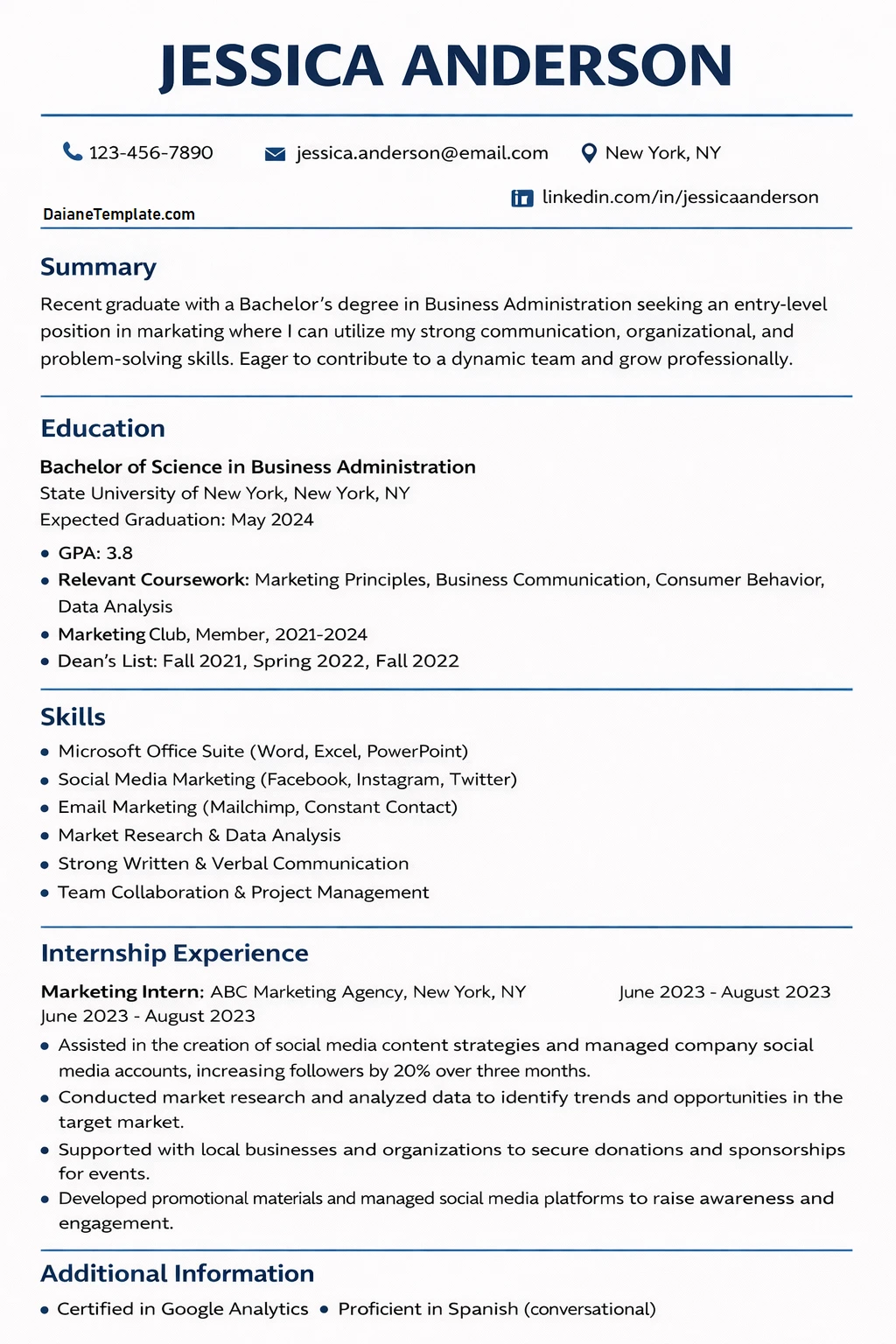
As a recent graduate or someone just starting their career journey, creating an entry-level resume can be a daunting task. Your resume is often the first impression you make on a potential employer, so it’s crucial to get it right.
In this guide, we’ll walk you through what to include, why it’s important, and provide tips for crafting a successful entry-level resume that will help you stand out in a competitive job market.
What is an Entry-Level Resume?
An entry-level resume is a document that highlights your education, skills, and experiences relevant to the job you are applying for. It is typically shorter than a resume for someone with more experience, but it still needs to effectively showcase your qualifications and potential as a candidate.
Why is an Entry-Level Resume Important?
Your resume serves as a marketing tool to sell yourself to potential employers. It is often the first thing they see before meeting you in person, so it’s essential to make a strong impression.
A well-crafted entry-level resume can help you land interviews and ultimately secure your first job in your desired field.
What to Include in Your Entry-Level Resume
When creating your entry-level resume, be sure to include the following key sections:
- Contact Information. Include your full name, phone number, email address, and LinkedIn profile (if applicable).
- Summary/Objective. A brief statement summarizing your career goals and what you bring to the table.
- Education. List your educational background, including your degree, major, school name, and graduation date.
- Relevant Experience. Include internships, part-time jobs, volunteer work, or any other experience related to the job you are applying for.
- Skills. Highlight any relevant skills, such as technical skills, language proficiency, or soft skills like communication and teamwork.
- Achievements/Awards. Include any academic or professional achievements that demonstrate your capabilities.
How to Format Your Entry-Level Resume
When formatting your entry-level resume, keep the following tips in mind:
- Choose a clean, professional layout. Use a simple, easy-to-read font and make sure your resume is well-organized with clear headings.
- Keep it concise. Aim for a one-page resume, focusing on the most relevant information for the job you are applying for.
- Use bullet points. Bullet points make your resume easy to scan and highlight key points.
- Proofread carefully. Spelling and grammar errors can make a negative impression, so double-check your resume before sending it out.
Tips for a Successful Entry-Level Resume
Here are some additional tips to help you create a standout entry-level resume:
- Tailor your resume to each job. Customize your resume for each position you apply for to highlight the most relevant skills and experiences.
- Showcase your achievements. Quantify your accomplishments where possible to demonstrate your impact and value to potential employers.
- Use keywords. Include industry-specific keywords in your resume that align with the job description to increase your chances of getting noticed by applicant tracking systems.
- Include a cover letter. A well-written cover letter can complement your resume and provide additional context for why you are a strong candidate for the job.
- Seek feedback. Ask for feedback from mentors, career advisors, or trusted friends to ensure your resume effectively showcases your qualifications.
- Be honest and authentic. Present yourself truthfully in your resume and highlight your unique strengths and experiences.
Final Thoughts
Crafting a stellar entry-level resume takes time and effort, but the results can be well worth it. By following the tips outlined in this guide and tailoring your resume to each job you apply for, you can increase your chances of landing interviews and securing your dream job. Remember to showcase your unique qualities and experiences, and don’t be afraid to let your personality shine through in your resume. Good luck!
Entry-level Resume Template – DOWNLOAD
