Event registration forms are a crucial component of any successful event planning process. They serve as the gateway for attendees to sign up for an event, providing organizers with essential information to ensure a seamless experience for all participants.
In this comprehensive guide, we will explore the ins and outs of event registration forms, including what they are, why they are important, what to include, how to create effective forms, and tips for optimizing your registration process.
What are Event Registration Forms?
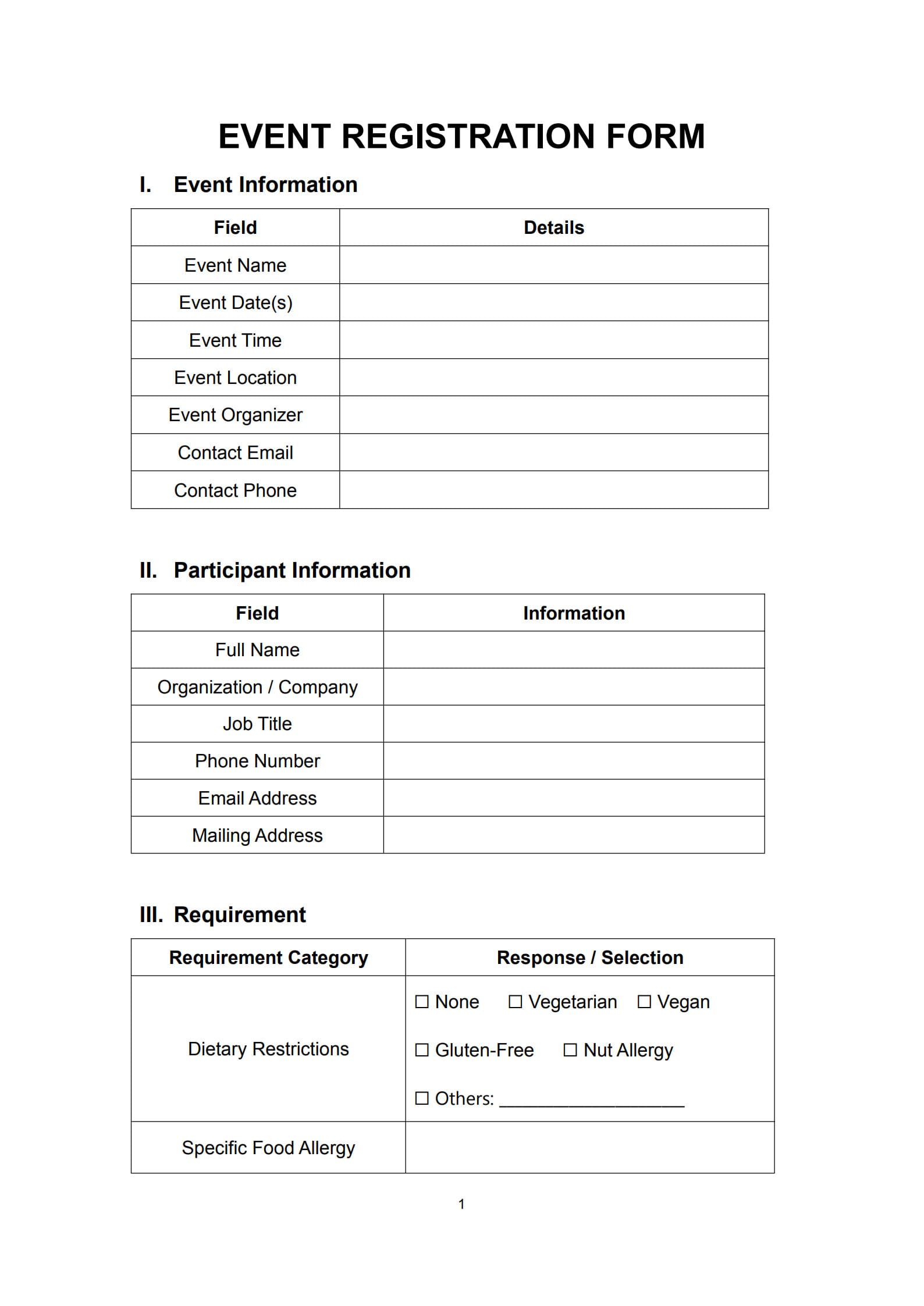
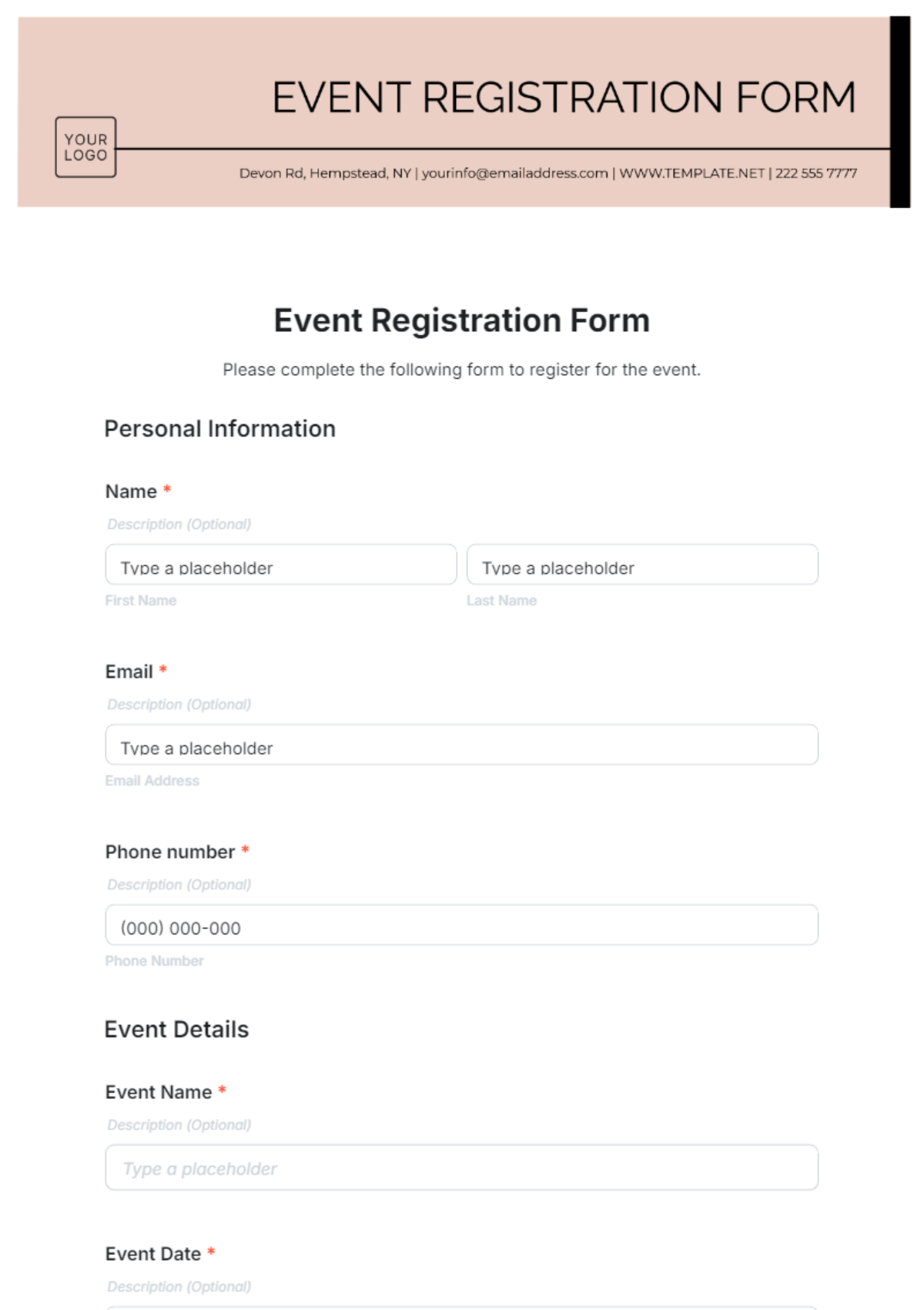
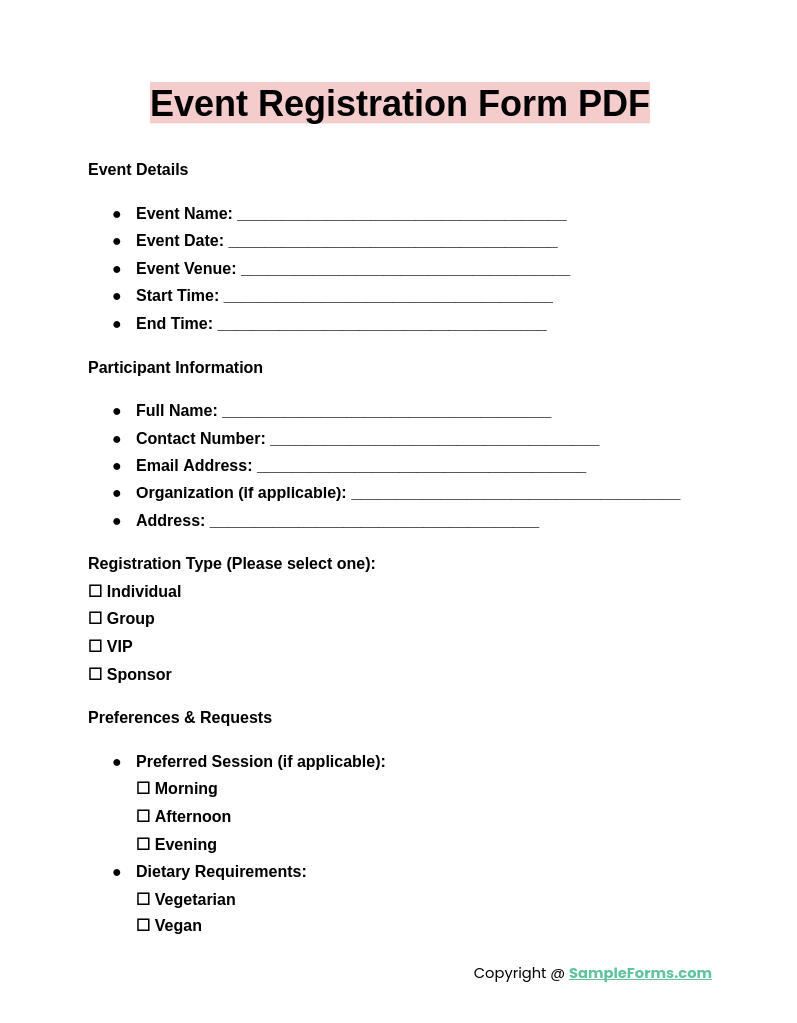
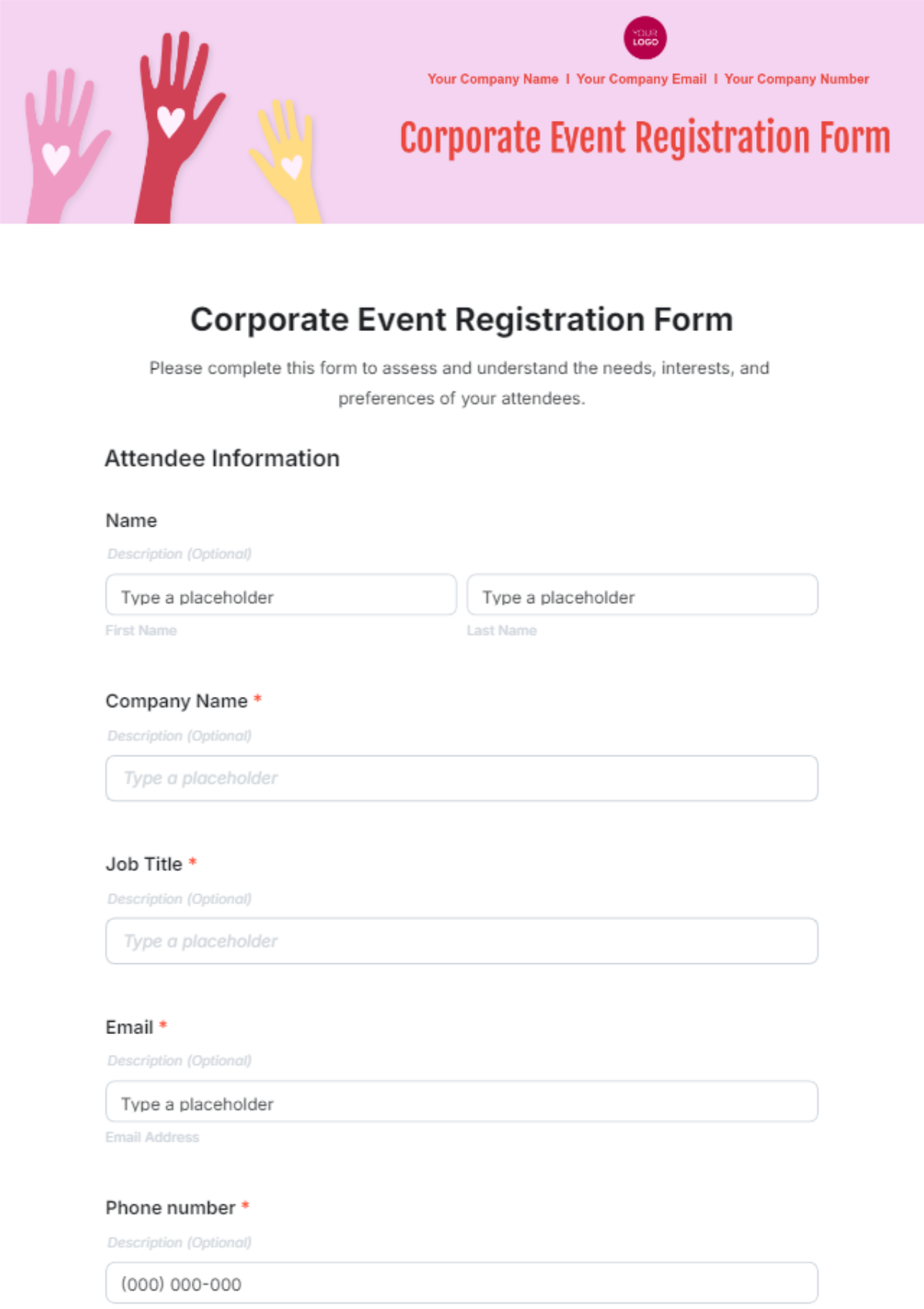
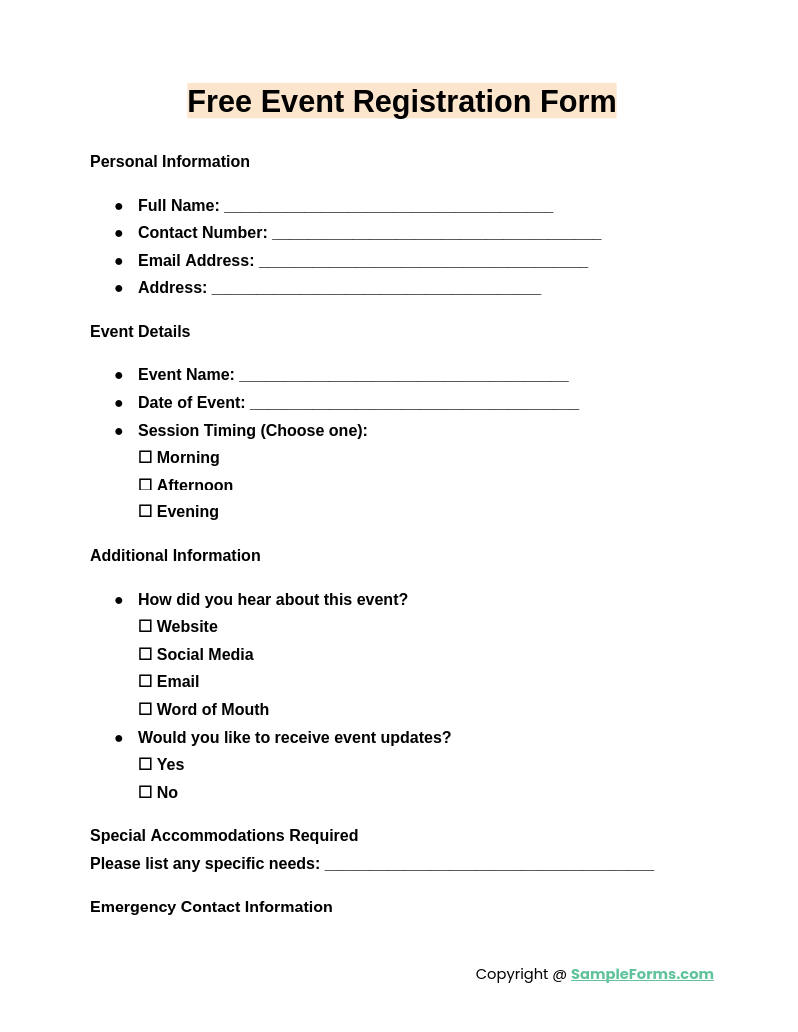
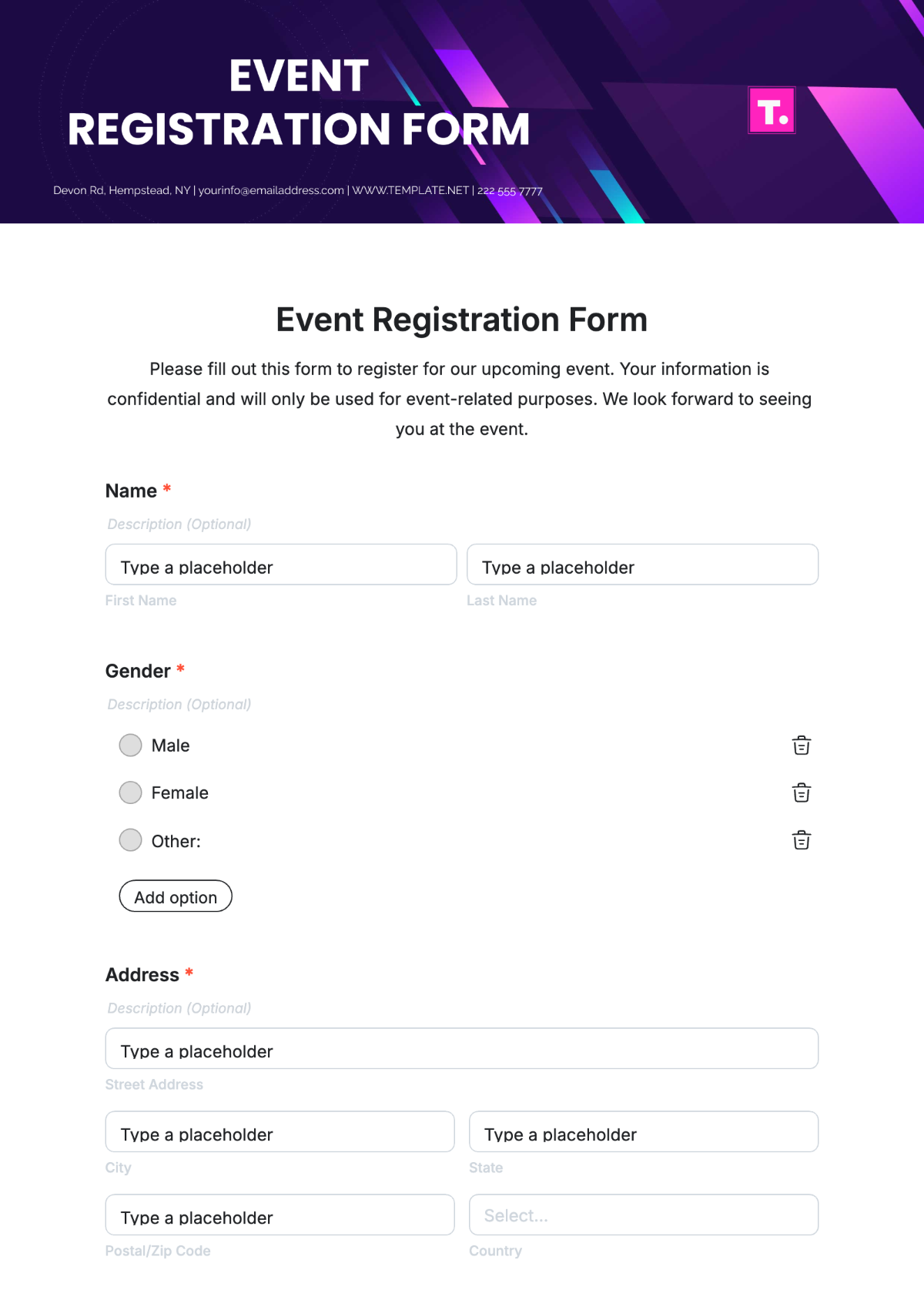
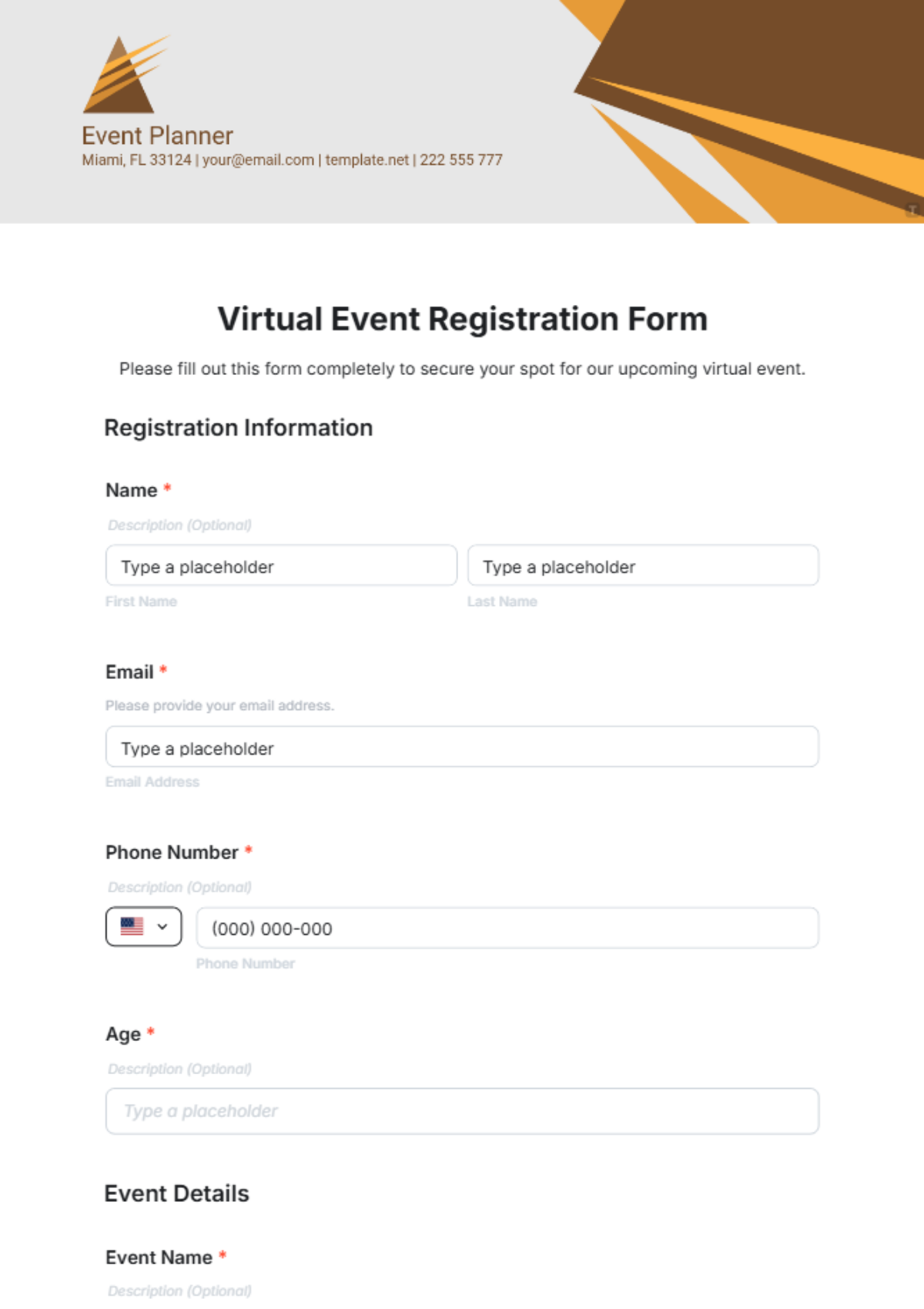
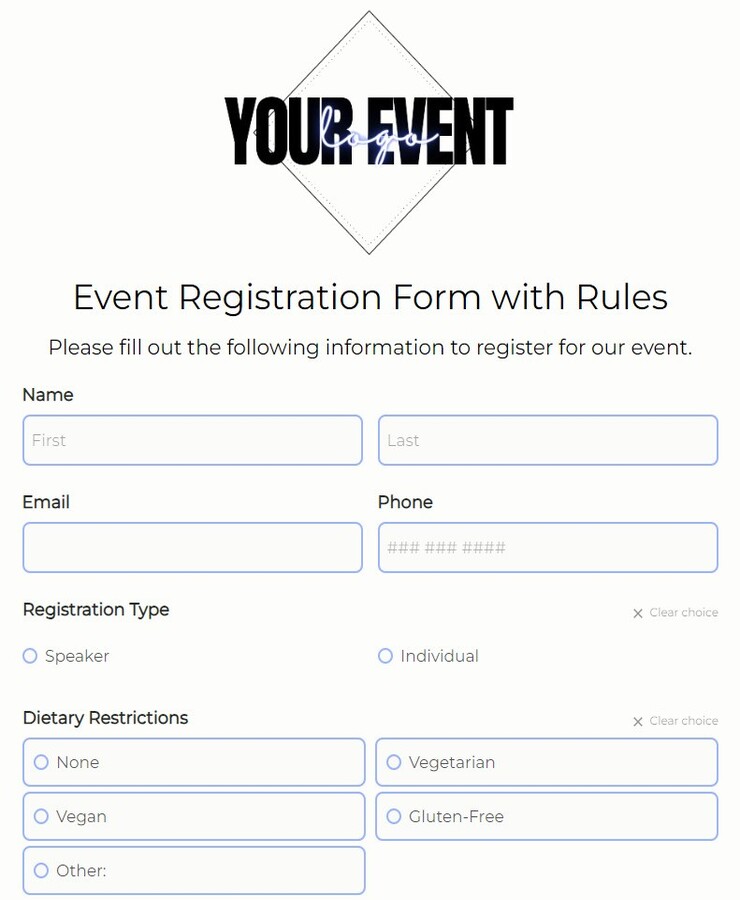
Event registration forms are digital or physical documents that collect information from individuals who wish to attend an event. These forms typically include fields for basic contact information, such as name, email address, and phone number, as well as specific details related to the event, such as session preferences, dietary restrictions, or special accommodations.
Event organizers use registration forms to gather essential data that helps them plan and execute successful events. This information allows organizers to track attendance, communicate important updates to participants, allocate resources effectively, and tailor the event experience to meet the needs and preferences of attendees.
Why are Event Registration Forms Important?
Event registration forms play a critical role in the event planning process for several reasons:
- Collecting Attendee Information: Registration forms gather key details about attendees, enabling organizers to personalize the event experience.
- Managing Attendance: Forms help organizers track the number of registrants and plan for the appropriate amount of food, seating, and materials.
- Communicating with Participants: Contact information collected through registration forms allows organizers to send event updates, reminders, and important information to attendees.
- Customizing Event Experiences: Special requests and preferences provided on registration forms help organizers accommodate individual needs and preferences.
By leveraging event registration forms effectively, organizers can streamline the registration process, enhance attendee satisfaction, and ultimately increase the success of their events.
What to Include in an Event Registration Form
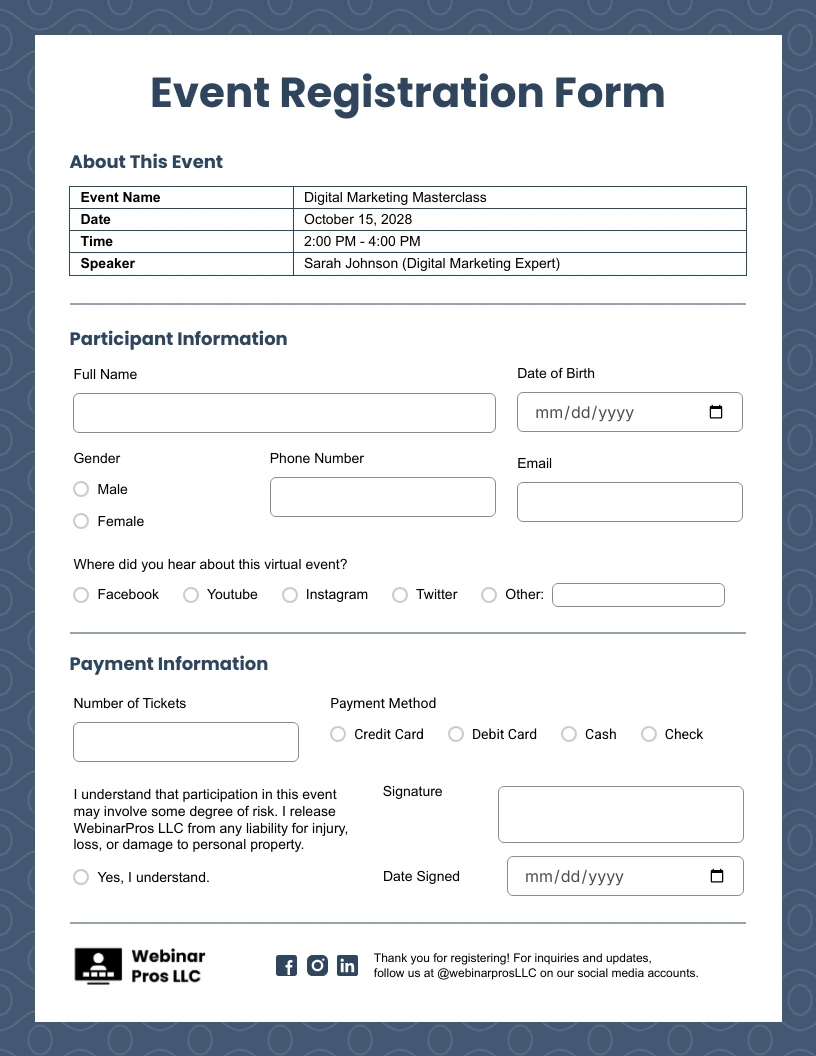
When creating an event registration form, it is important to include key fields that capture essential information from attendees. Consider the following elements to include in your form:
- Personal Information: Name, email address, phone number, and other contact details.
- Event Details: Event name, date, time, location, and any relevant session or workshop options.
- Special Requests: Dietary restrictions, accessibility needs, and other accommodations.
- Payment Information: If the event requires a fee, include fields for payment details.
- Emergency Contact: In case of any unforeseen circumstances during the event.
By including these essential elements in your event registration form, you can gather the necessary information to facilitate a smooth and successful event.
Examples
How to Create an Effective Event Registration Form
Creating an effective event registration form involves thoughtful design and attention to detail. Follow these steps to craft a form that captures all the necessary information from attendees:
1. Choose a User-Friendly Platform:
Select a registration platform that is easy to navigate and mobile-responsive to accommodate a wide range of users.
2. Design Clear and Concise Fields:
Avoid overwhelming participants with too many fields and ensure that each question is clear and easy to understand.
3. Provide Clear Instructions:
Include brief instructions or tooltips to guide participants through the registration process and address any common questions.
4. Offer Multiple Registration Options:
Provide flexibility for attendees to register online, via email, or in person to accommodate different preferences.
5. Implement Data Security Measures:
Ensure that sensitive information collected through the registration form is protected and stored securely to maintain participant privacy.
6. Test the Form Before Launch:
Thoroughly test the registration form to ensure that it functions correctly and captures all necessary information before making it live.
7. Optimize for Mobile Devices:
Given the prevalence of mobile usage, ensure that your registration form is optimized for smartphones and tablets for a seamless user experience.
8. Provide Confirmation and Thank You Messages:
After submission, display a confirmation message to reassure participants that their registration was successful and thank them for their interest in the event.
9. Monitor Registration Metrics:
Track and analyze registration data to gain insights into attendee demographics, preferences, and registration trends for future event planning.
10. Request Feedback:
Solicit feedback from participants about their registration experience to identify areas for improvement and enhance future events.
Tips for Optimizing Your Event Registration Process
In addition to creating an effective registration form, consider the following tips to optimize your event registration process:
- Streamline the Registration Process: Minimize the number of steps required to complete registration to reduce participant drop-off.
- Offer Early Bird Discounts: Incentivize early registration by offering discounts or exclusive perks to encourage prompt sign-ups.
- Utilize Social Media Promotion: Leverage social media channels to promote your event and drive traffic to your registration form.
- Provide Real-Time Support: Offer live chat or a dedicated hotline to assist participants with registration questions or technical issues.
- Personalize Confirmation Emails: Customize confirmation emails with attendee names and event details to enhance the registration experience.
- Collect Post-Event Feedback: Send surveys to participants after the event to gather feedback and insights for future improvements.
- Integrate with CRM Systems: Seamlessly sync registration data with customer relationship management (CRM) systems for efficient follow-up and communication.
- Provide On-Site Registration Options: Allow for on-site registration for last-minute attendees or walk-ins to accommodate latecomers.
- Display Testimonials and Reviews: Showcase positive feedback from past participants on your registration page to build trust and credibility.
By incorporating these tips into your event registration process, you can enhance attendee engagement, increase registration rates, and deliver a memorable event experience for all participants.
Event Registration Form Template – Download
