Managing a family’s monthly budget can be a challenging task, but with the right strategies in place, it can become a manageable and even rewarding endeavor.
In this guide, we will explore the ins and outs of creating a family budget that works for your unique financial situation. From understanding the importance of a budget to practical tips for sticking to it, this article will provide you with the knowledge and tools you need to take control of your finances and achieve your financial goals.
What is a Family Monthly Budget?
A family monthly budget is a plan that outlines how much money a family anticipates earning and spending over the course of a month. It helps families track their income, expenses, and savings to ensure that they are living within their means and working towards their financial goals. A well-crafted budget can provide families with a clear picture of their financial health and help them make informed decisions about their spending habits.
Why is a Family Monthly Budget Important?
Creating a family monthly budget is crucial for several reasons. Firstly, it allows families to track their expenses and identify areas where they may be overspending. By having a clear understanding of their financial situation, families can make adjustments to their spending habits and prioritize their financial goals. Additionally, a budget can help families save for emergencies, pay off debt, and plan for future expenses such as vacations or education costs. Ultimately, a family budget empowers families to take control of their finances and work towards a more secure financial future.
What to Include in Your Family Monthly Budget
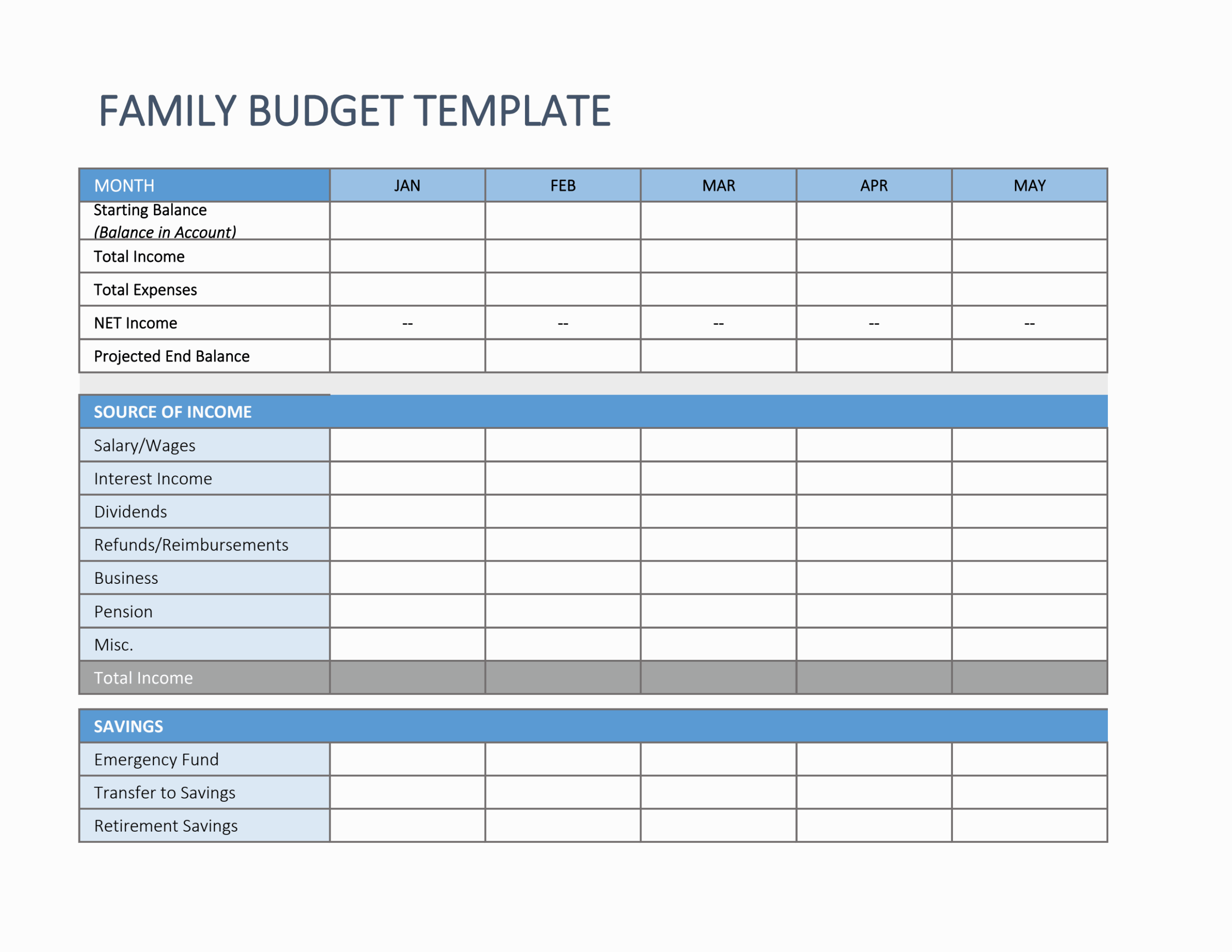
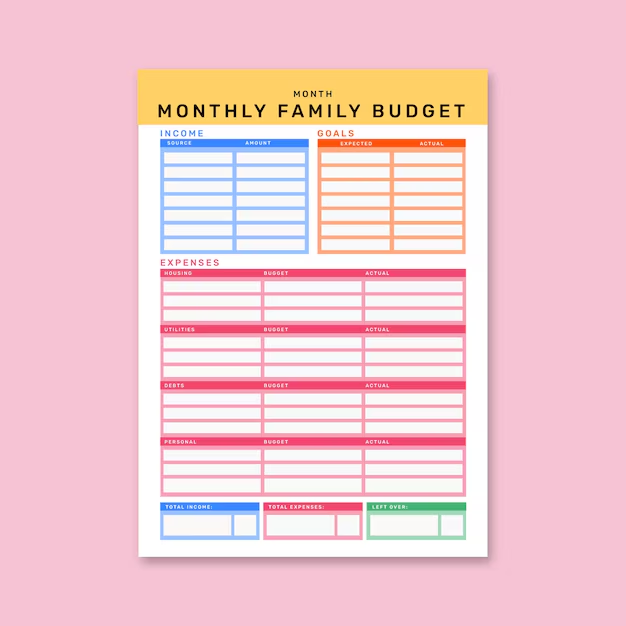
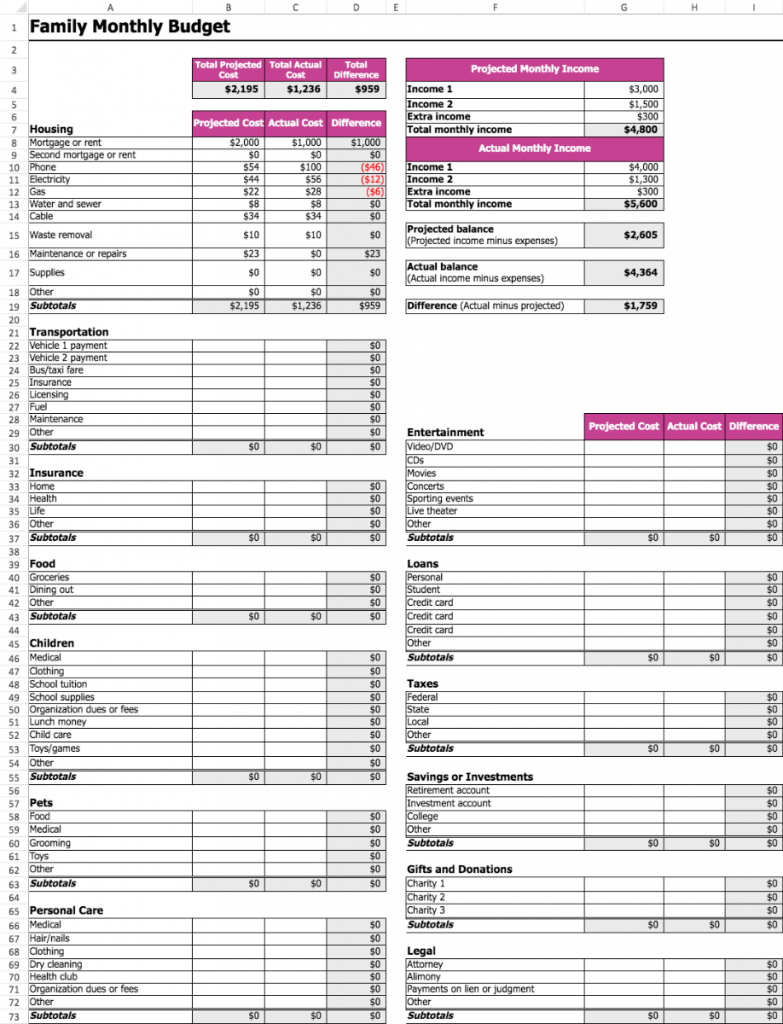
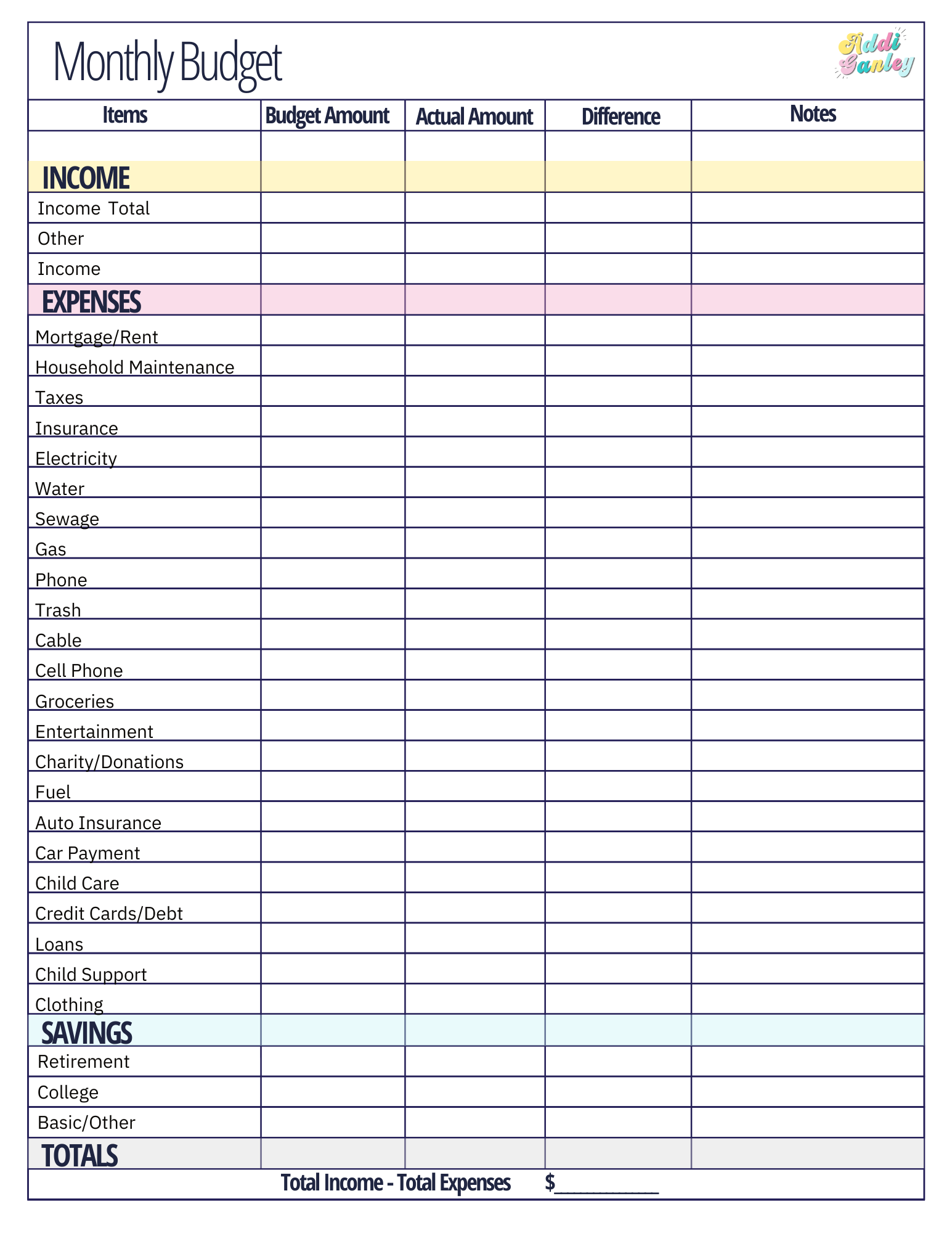
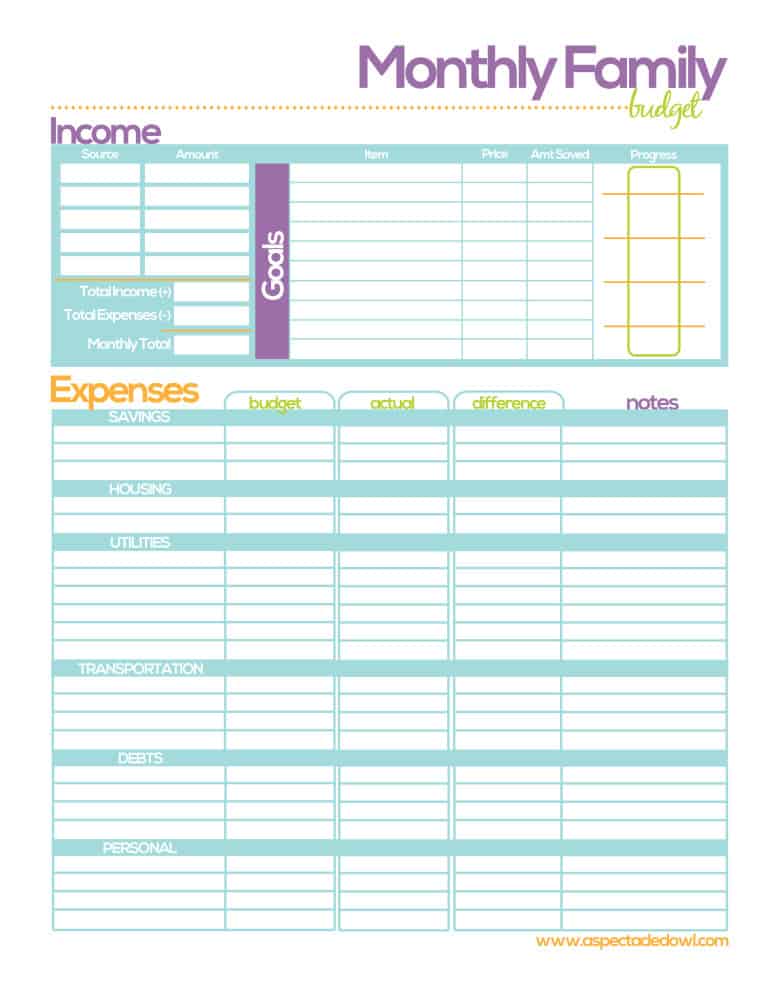
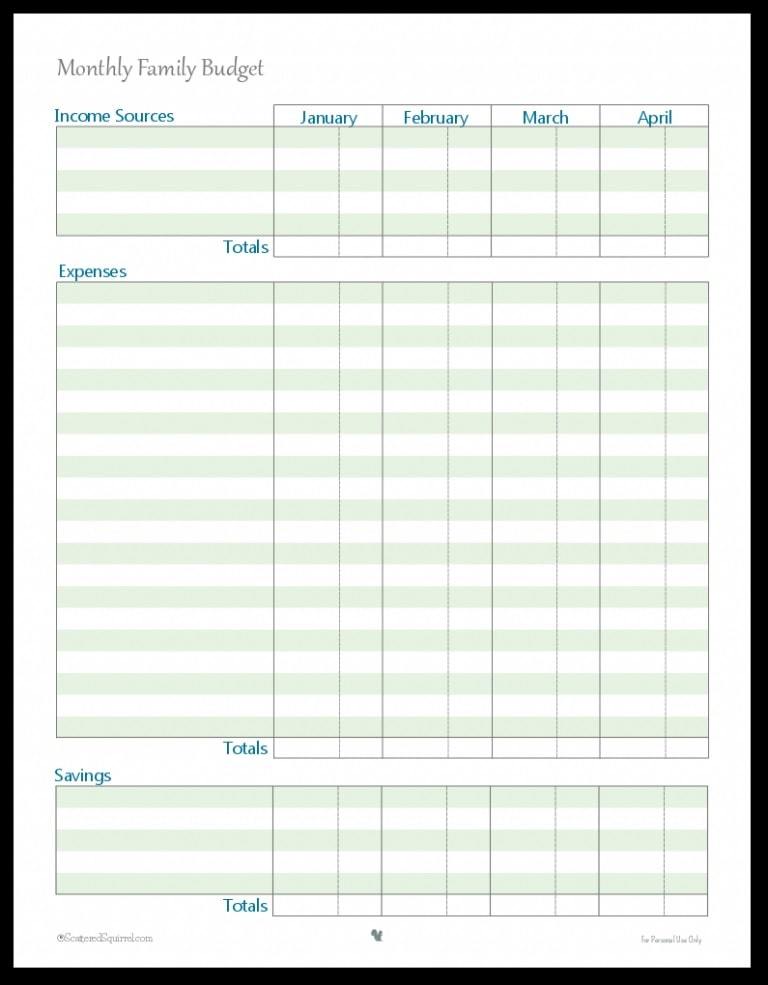
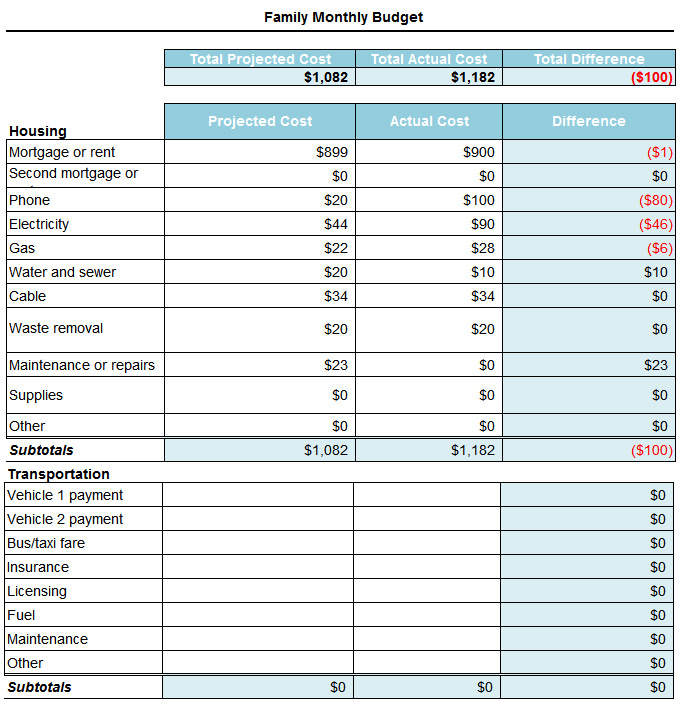
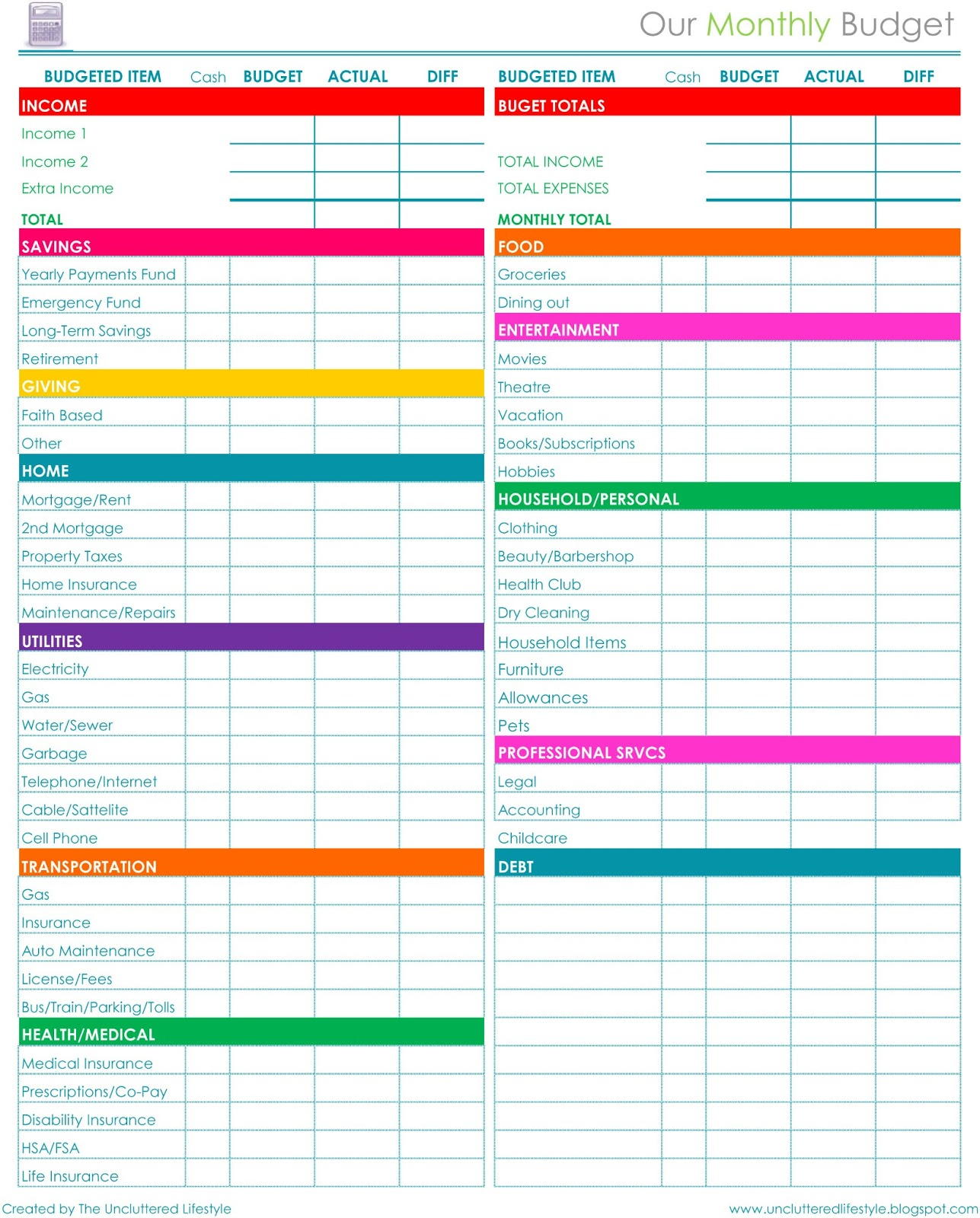
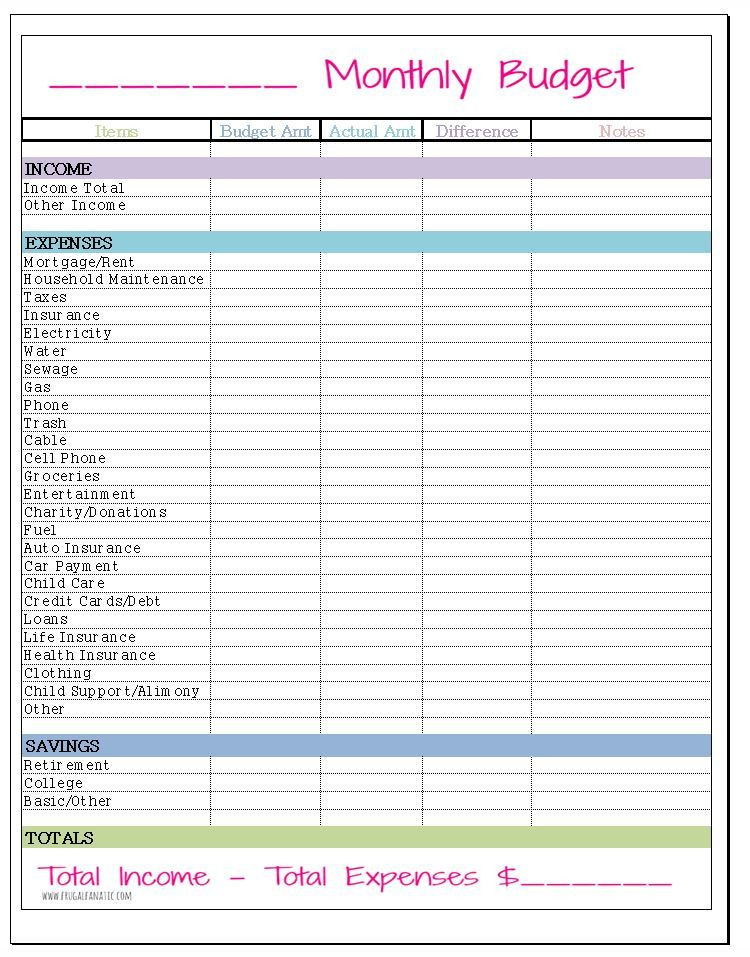
When creating a family monthly budget, it is important to include all sources of income as well as all expenses, both fixed and variable. Some key items to include in your budget are:
- Income: Include all sources of income, such as salaries, bonuses, and any other money coming into the household.
- Fixed Expenses: These are expenses that remain constant each month, such as rent or mortgage payments, car payments, and insurance premiums.
- Variable Expenses: These are expenses that can fluctuate from month to month, such as groceries, utilities, and entertainment.
- Savings: Allocate a portion of your income to savings each month to build an emergency fund or save for future goals.
- Debt Repayment: Include any monthly payments towards credit card debt, student loans, or other outstanding debts.
Examples
How to Create a Family Monthly Budget
Creating a family monthly budget involves several key steps. Start by gathering all relevant financial documents, such as bank statements, bills, and pay stubs. Next, list all sources of income and expenses, making sure to differentiate between fixed and variable expenses. Once you have a clear picture of your financial situation, set realistic spending limits for each category and track your expenses throughout the month. At the end of the month, evaluate your budget and make any necessary adjustments to ensure that you are staying on track with your financial goals.
Tips for Sticking to Your Family Monthly Budget
Sticking to a family monthly budget requires discipline and commitment, but with the right strategies in place, it is entirely achievable. Some tips for staying on track with your budget include:
- Track Your Expenses: Keep a detailed record of all your expenses to identify areas where you may be overspending.
- Set Realistic Goals: Establish clear financial goals and prioritize your spending to align with these objectives.
- Review Regularly: Review your budget regularly and make adjustments as needed to ensure you are staying within your limits.
- Communicate with Your Family: Involve your family in the budgeting process and communicate openly about financial goals and priorities.
- Reward Yourself: Celebrate your financial milestones and achievements to stay motivated and engaged with your budgeting efforts.
Conclusion
Mastering your family monthly budget is a key step towards achieving financial stability and security. By creating a comprehensive budget that reflects your unique financial situation, tracking your expenses, and staying committed to your financial goals, you can take control of your finances and build a brighter financial future for you and your family. With the right tools and strategies in place, managing your family budget can be a rewarding and empowering experience.
