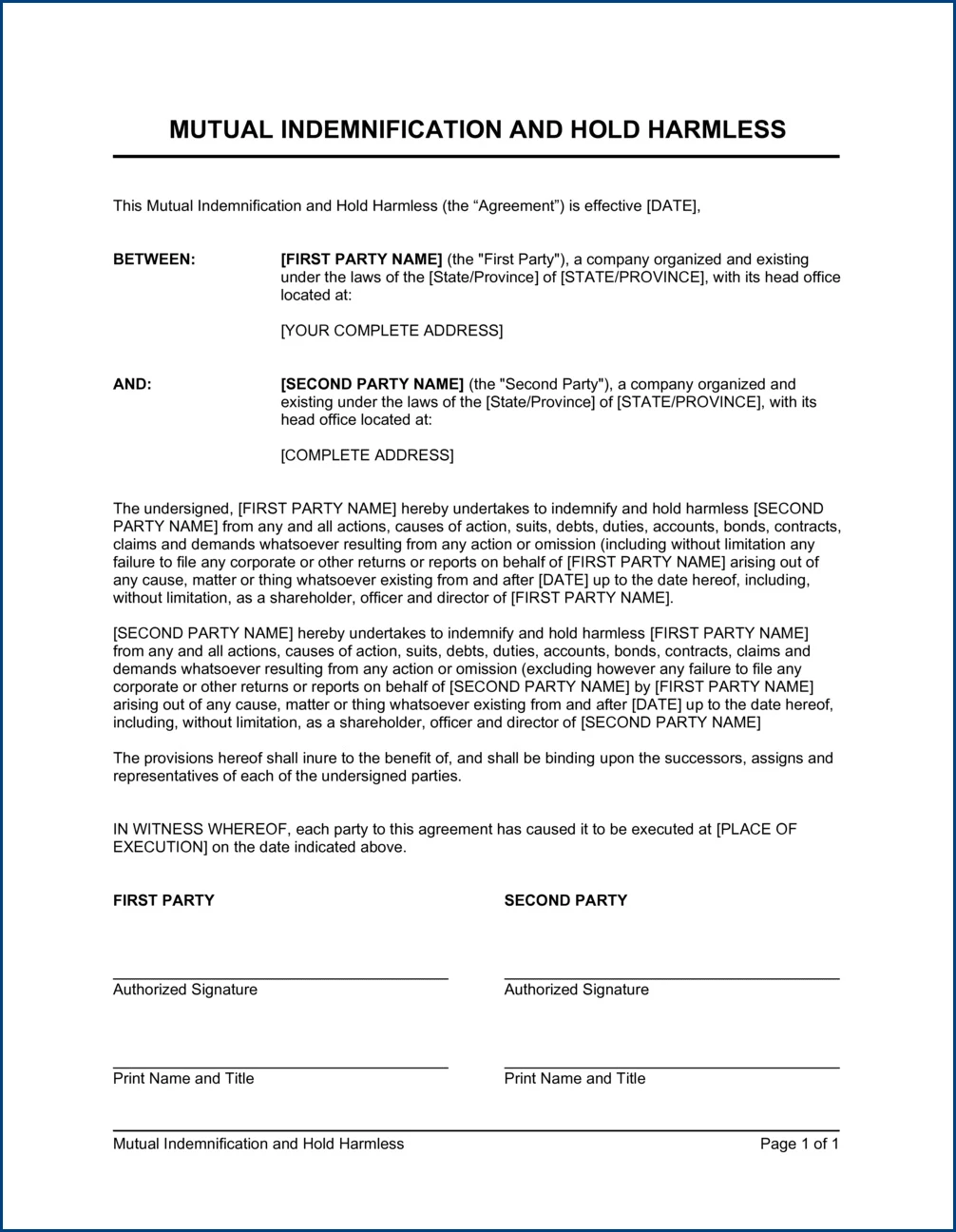
When it comes to legal matters, navigating the world of contracts and agreements can be a daunting task. One such agreement that often comes up in various situations is the hold harmless agreement. But what exactly is a hold harmless agreement, and why is it important?
In this article, we will delve into the details of hold harmless agreements, exploring what they are, why they are used, what to include in them, how to create one, and some tips for understanding and utilizing them effectively.
What is a Hold Harmless Agreement?
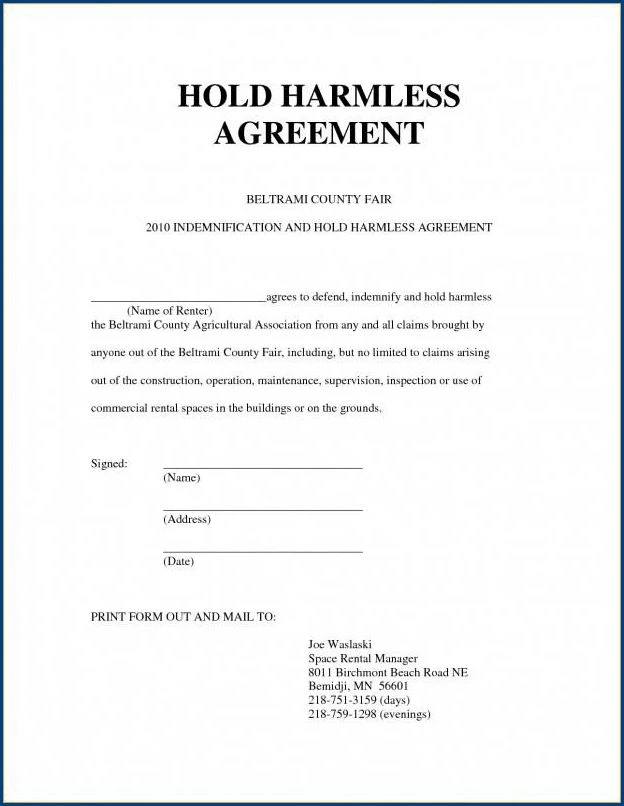
A hold harmless agreement, also known as a liability waiver or release agreement, is a contract between two parties in which one party agrees not to hold the other party liable for any potential damages, losses, or legal claims arising from their participation in a specific activity or transaction.
This agreement essentially transfers the risk of liability from one party to another, offering protection against potential legal actions.
Hold harmless agreements are commonly used in a variety of situations, such as construction projects, events, rental agreements, and service contracts. By signing a hold harmless agreement, the party assuming the risk agrees to indemnify and protect the other party from any losses that may occur during the course of the activity or event.
Why are Hold Harmless Agreements Important?
Hold harmless agreements serve as a crucial tool for risk management and liability protection in various scenarios. By clearly outlining the responsibilities and liabilities of each party involved in a specific activity or transaction, these agreements help minimize the potential for legal disputes and financial losses.
For example, in the construction industry, contractors often require subcontractors to sign hold harmless agreements to protect themselves from any liability in case of accidents or property damage on the job site. Similarly, event organizers may use hold harmless agreements to shift the responsibility for any injuries or damages incurred during the event to the participants or vendors.
What to Include in a Hold Harmless Agreement
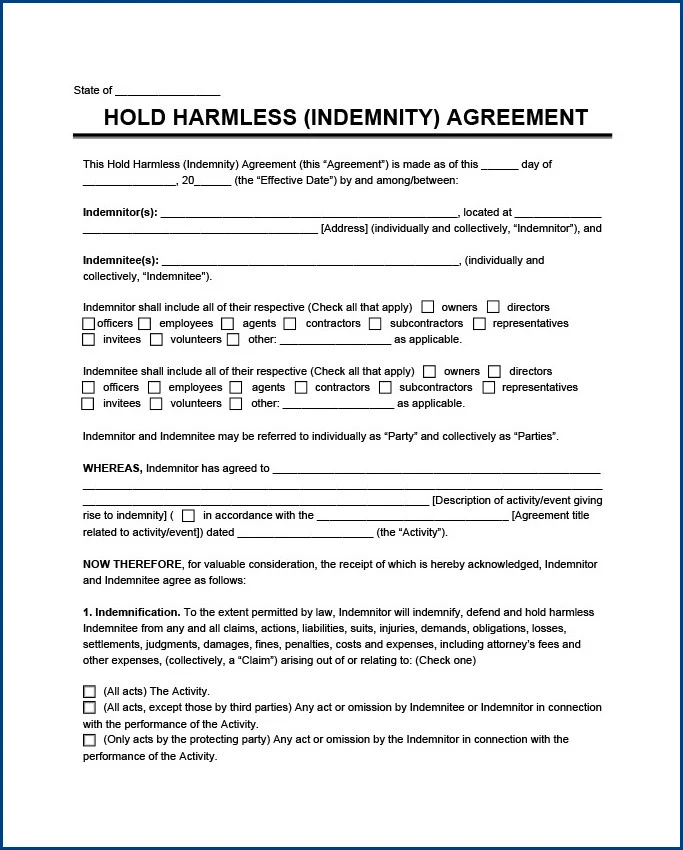
When drafting a hold harmless agreement, it is essential to include specific details to ensure clarity and enforceability. Some key elements to include in a hold harmless agreement are:
- Identification of Parties: Clearly identify the parties involved in the agreement, including their names, addresses, and contact information.
- Description of Activity: Provide a detailed description of the activity or transaction for which the hold harmless agreement is being executed.
- Indemnification Clause: Clearly outline the responsibilities of each party regarding indemnification and liability protection.
- Insurance Requirements: Specify any insurance requirements that the parties must meet to fulfill the terms of the agreement.
- Governing Law: Include provisions stating which state laws will govern the agreement in case of disputes.
By including these essential elements in a hold harmless agreement, both parties can have a clear understanding of their obligations and rights, reducing the likelihood of confusion or disagreements in the future.
How to Create a Hold Harmless Agreement
Creating a hold harmless agreement involves careful consideration of the specific circumstances and risks involved in the activity or transaction. To create a valid and enforceable hold harmless agreement, follow these steps:
- Define the Scope: Clearly define the scope of the agreement, including the activities covered and the parties involved.
- Consult with Legal Counsel: Seek guidance from a legal professional to ensure that the agreement complies with relevant laws and regulations.
- Include Specific Language: Use clear and specific language to outline the responsibilities and liabilities of each party.
- Sign and Date: Have all parties sign and date the agreement to indicate their acceptance and understanding of the terms.
By following these steps and taking the necessary precautions, you can create a hold harmless agreement that effectively protects your interests and minimizes the risk of legal disputes.
Tips for Understanding and Utilizing Hold Harmless Agreements
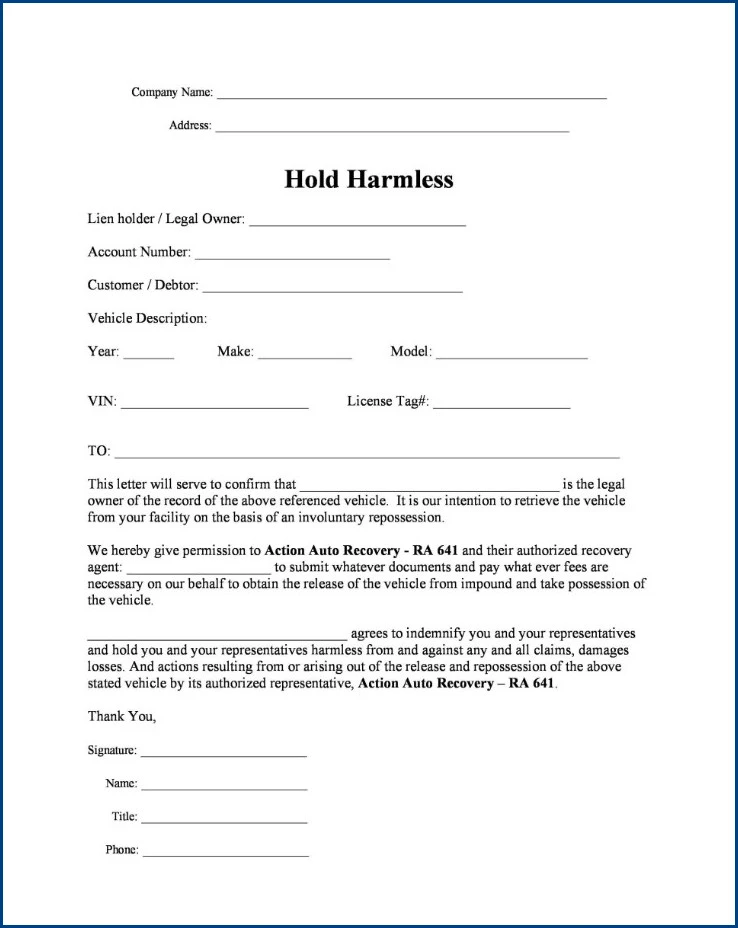
When dealing with hold harmless agreements, it is essential to approach them with caution and attention to detail. Here are some tips for understanding and utilizing hold harmless agreements effectively:
- Read Carefully: Thoroughly read and understand the terms of the agreement before signing to avoid any surprises later on.
- Seek Legal Advice: If you are unsure about any aspect of the agreement, consult with a legal professional for guidance.
- Review Insurance Coverage: Ensure that you have adequate insurance coverage to protect yourself in case of unforeseen events.
- Keep Copies: Keep copies of the signed agreement for your records and reference in case of disputes.
By following these tips and best practices, you can navigate hold harmless agreements with confidence and ensure that your interests are protected in any contractual arrangement.
Hold Harmless Agreement Template – Word
