Every consumer has encountered a situation where they have received a product or service that did not meet their expectations. In such cases, writing a letter of complaint is an effective way to communicate your grievances to the company or individual responsible. A well-crafted letter of complaint can not only help you express your dissatisfaction but also potentially lead to a resolution that satisfies both parties.
In this article, we will explore the what, why, what to include, how to, and tips for successful letter writing.
What is a Letter of Complaint?
A letter of complaint is a formal written document that outlines your concerns or grievances regarding a product, service, or experience. It provides a structured way to communicate your dissatisfaction to the relevant party and seek a resolution. Writing a letter of complaint allows you to present your case clearly, providing evidence and details to support your claims.
Why Write a Letter of Complaint?
There are several reasons why writing a letter of complaint can be beneficial:
– It allows you to express your dissatisfaction in a formal and structured manner.
– It provides a record of your complaint, which can be used as evidence in case of further escalation.
– It allows the company or individual to address your concerns and rectify the situation.
– It can lead to a resolution that satisfies both parties, potentially resulting in compensation or a refund.
What to Include in a Letter of Complaint
When writing a letter of complaint, it is essential to include the following key elements:
– Your contact information: Include your name, address, phone number, and email address.
– Recipient information: Address the letter to the appropriate person or department within the company.
– Details of the complaint: Clearly explain the issue you are facing, including dates, times, and specific incidents.
– Supporting evidence: Attach any relevant documents, photos, or receipts that support your complaint.
– Desired resolution: Clearly state what you would like the company to do to resolve the issue.
– Tone: Maintain a professional and polite tone throughout the letter.
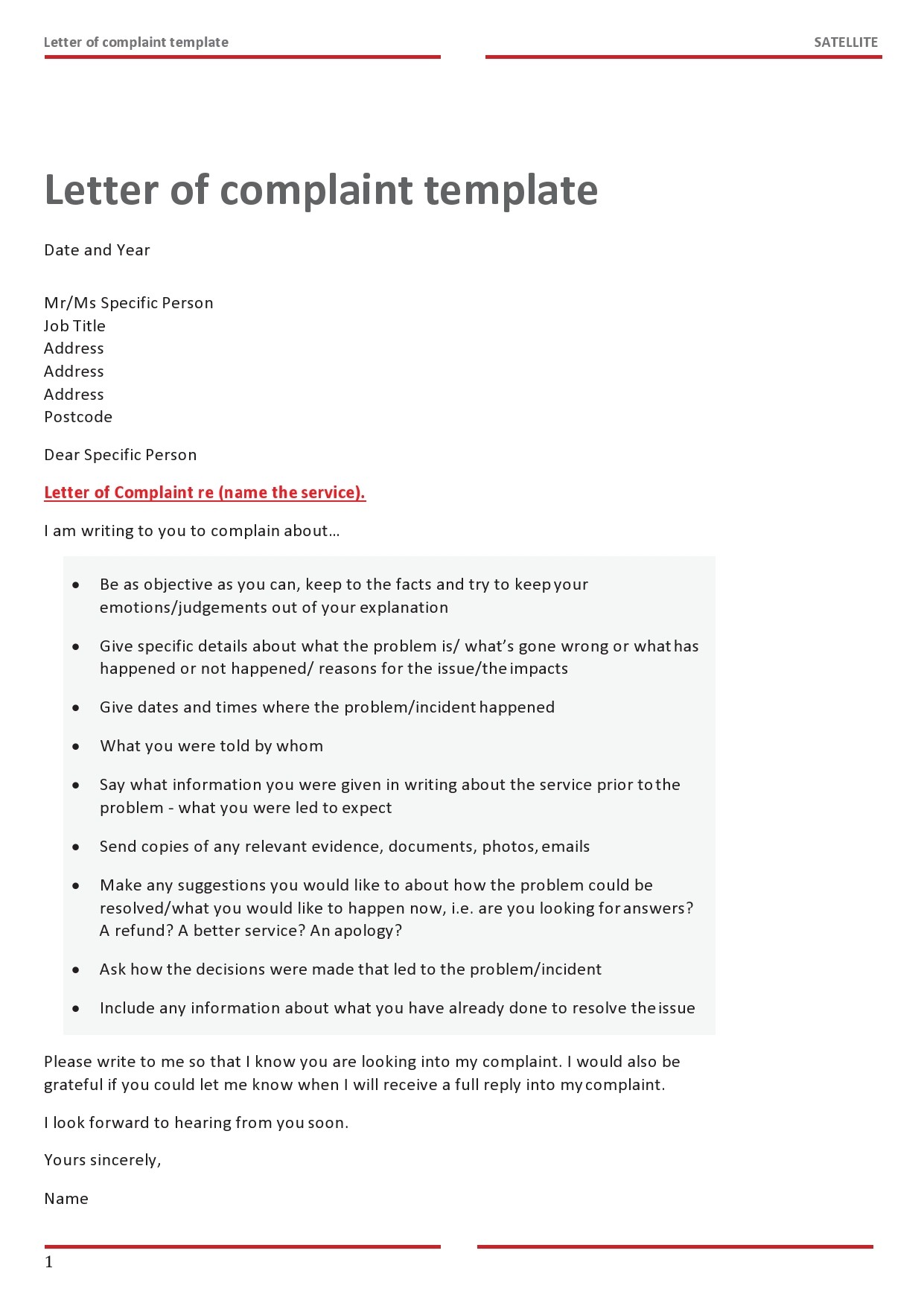
How to Write a Letter of Complaint
Writing a letter of complaint involves following a structured approach to ensure that your message is clear and effective. Here are some tips on how to write a compelling letter of complaint:
– Start with a clear and concise opening that outlines the purpose of your letter.
– Provide a detailed description of the issue, including relevant facts and evidence.
– Be specific about the impact of the problem on you, whether it is financial, emotional, or otherwise.
– Offer a reasonable solution or request for compensation to resolve the issue.- End the letter with a polite closing and a request for prompt action.
Tips for Successful Letter Writing
To increase the effectiveness of your letter of complaint, consider the following tips:
- Be factual: Present your complaint based on facts and avoid emotional language.
- Be concise: Keep your letter clear and to the point, focusing on the main issue.
- Be polite: Maintain a professional and respectful tone throughout the letter.
- Follow up: If you do not receive a response within a reasonable timeframe, follow up with the company.
- Keep copies: Keep copies of all correspondence related to your complaint for future reference.
- Seek assistance: If you are not satisfied with the response, seek assistance from consumer protection agencies or regulatory authorities.
In Conclusion
Writing a letter of complaint can be a powerful tool for consumers to address concerns and seek resolution for issues with products or services. By following a structured approach and including key elements in your letter, you can effectively communicate your grievances and potentially achieve a satisfactory outcome. Remember to maintain a professional and polite tone throughout the letter and follow up if necessary to ensure your complaint is addressed appropriately.
