When it comes to acquiring equipment for your business, buying outright may not always be the best option. Equipment lease agreements offer a flexible alternative that allows you to use the equipment you need without the hefty upfront costs associated with purchasing.
In this article, we will delve into the world of equipment lease agreements, exploring what they are, why they are beneficial, what to include in a lease agreement, how to navigate the process, tips for negotiating a favorable agreement, and much more.
What is an Equipment Lease Agreement?
An equipment lease agreement is a contract between a lessor (the equipment owner) and a lessee (the individual or business using the equipment) that outlines the terms and conditions of leasing equipment. These agreements typically specify the duration of the lease, the payment schedule, maintenance responsibilities, and any other relevant terms that both parties must adhere to.
Why Choose an Equipment Lease Agreement?
There are several reasons why businesses opt for equipment lease agreements instead of purchasing equipment outright:
- Cost-Effective: Leasing equipment allows businesses to acquire the necessary tools without a significant upfront investment.
- Flexibility: Lease agreements often offer flexible terms, making it easier to upgrade or swap out equipment as needed.
- Preservation of Capital: By leasing equipment, businesses can preserve their capital for other operational expenses or investments.
- Tax Benefits: In some cases, lease payments may be tax-deductible, providing potential financial advantages for businesses.
What to Include in an Equipment Lease Agreement
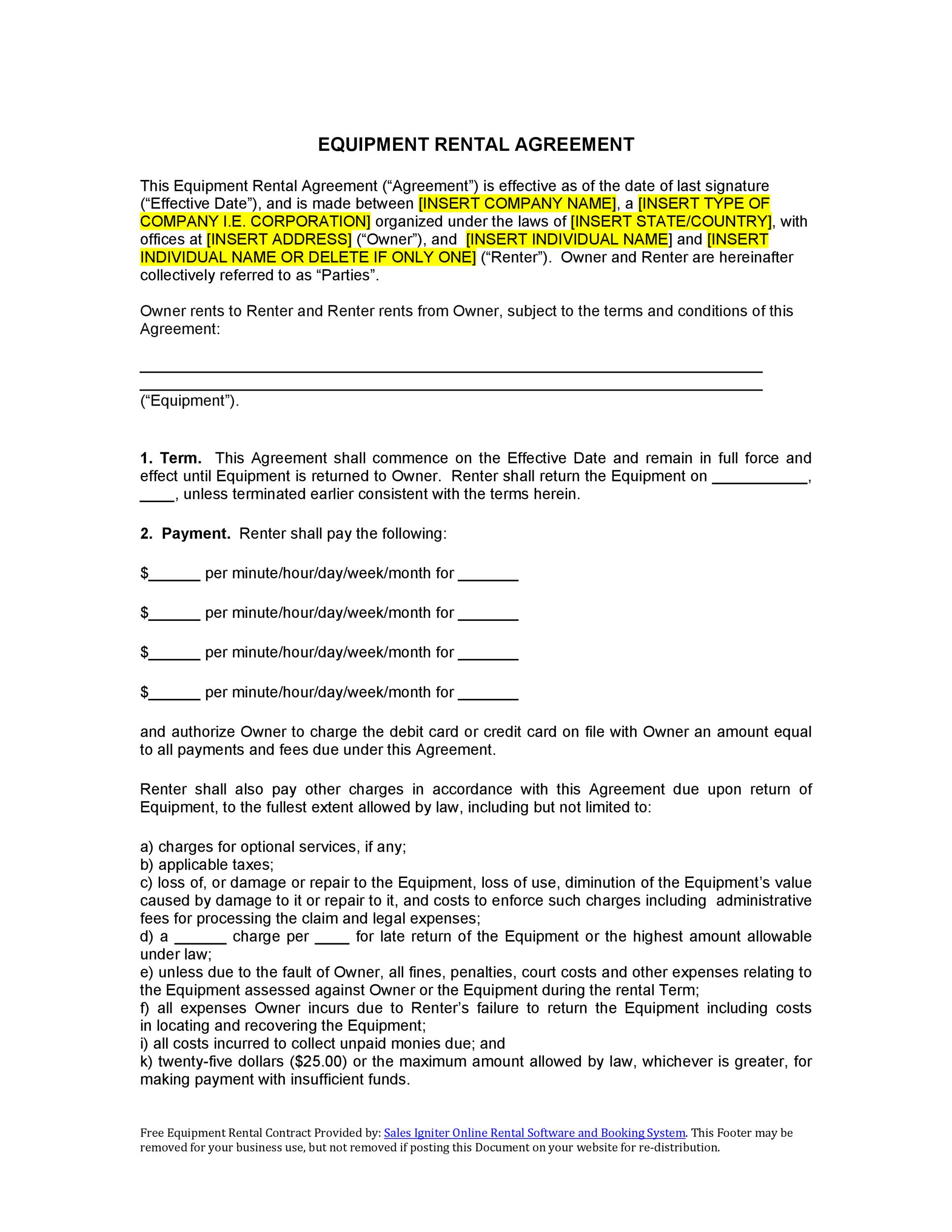
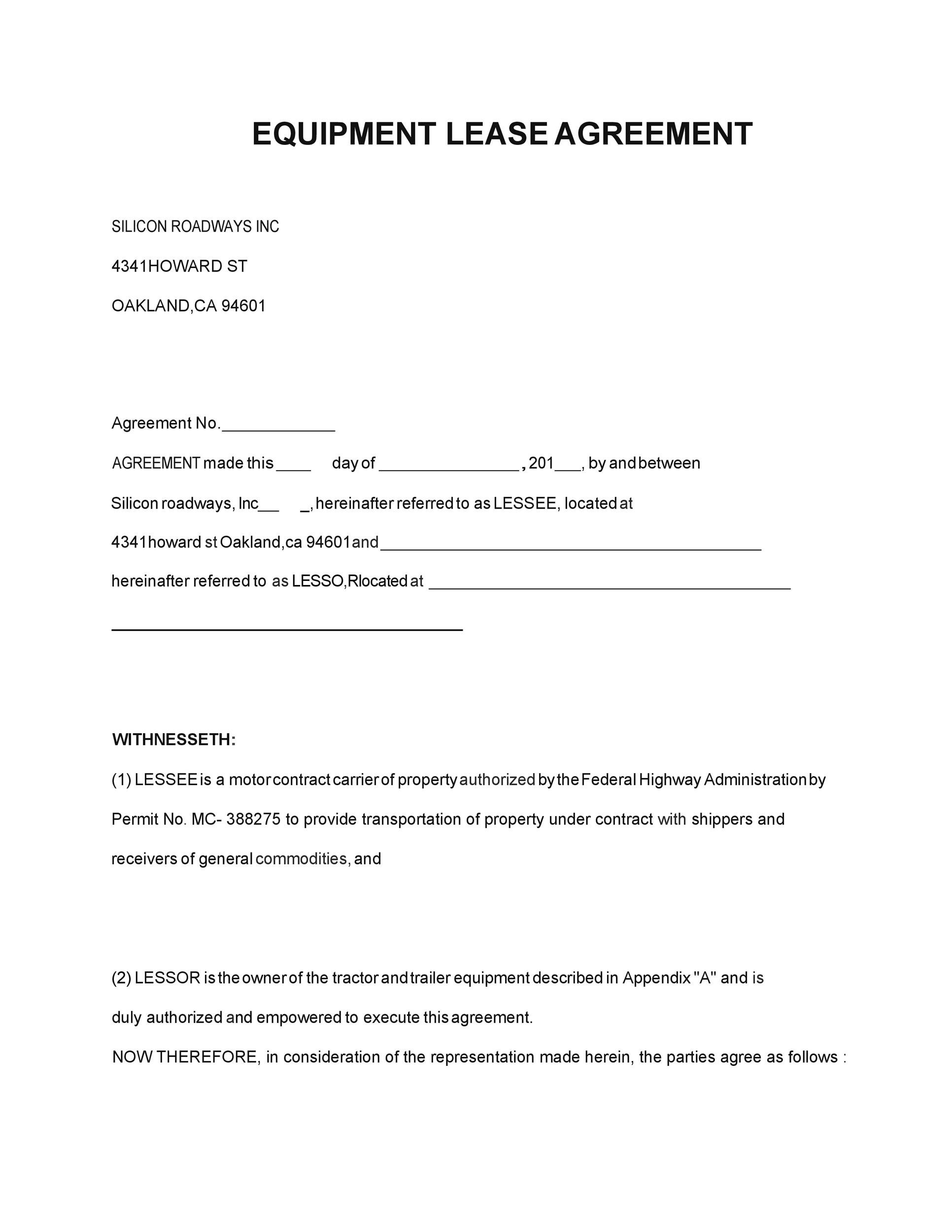
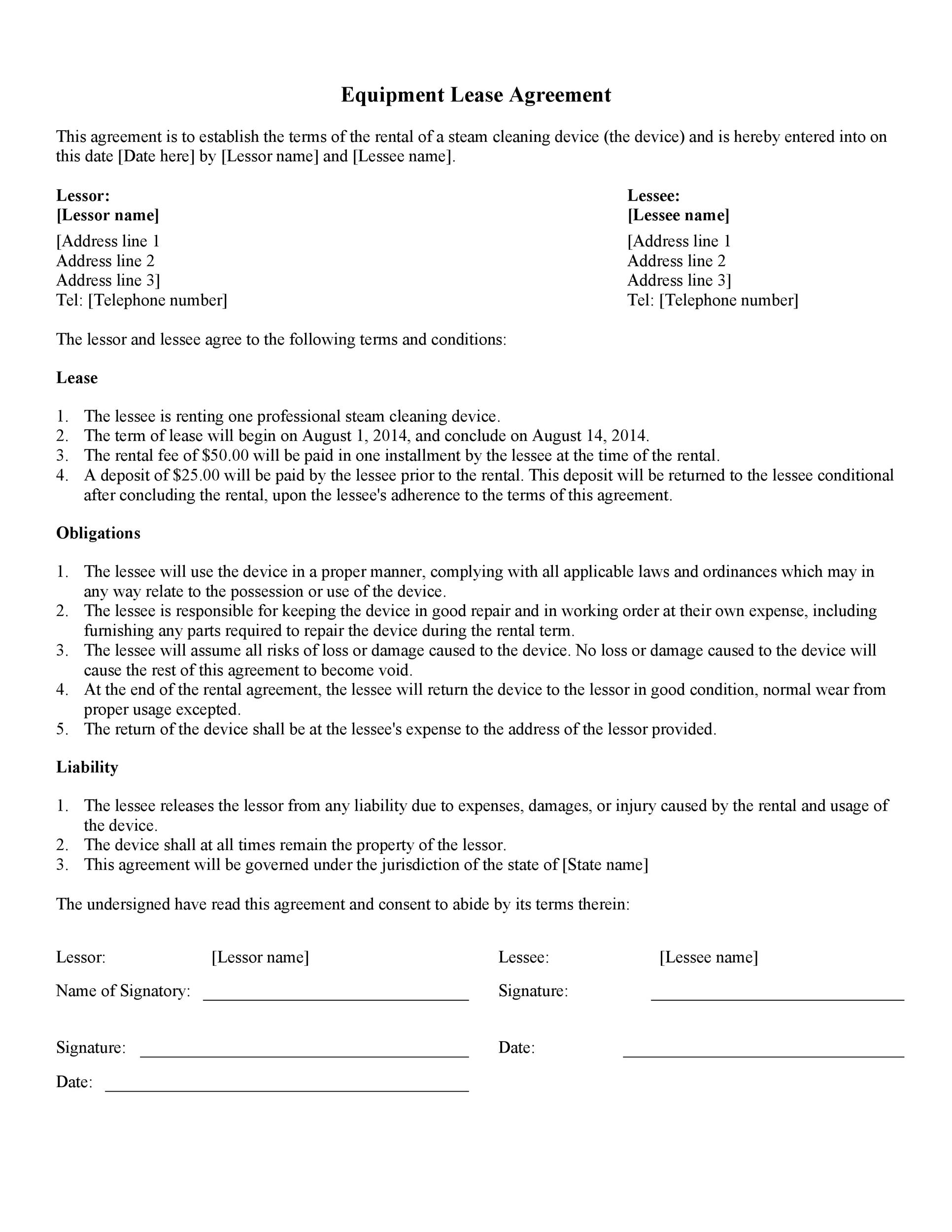
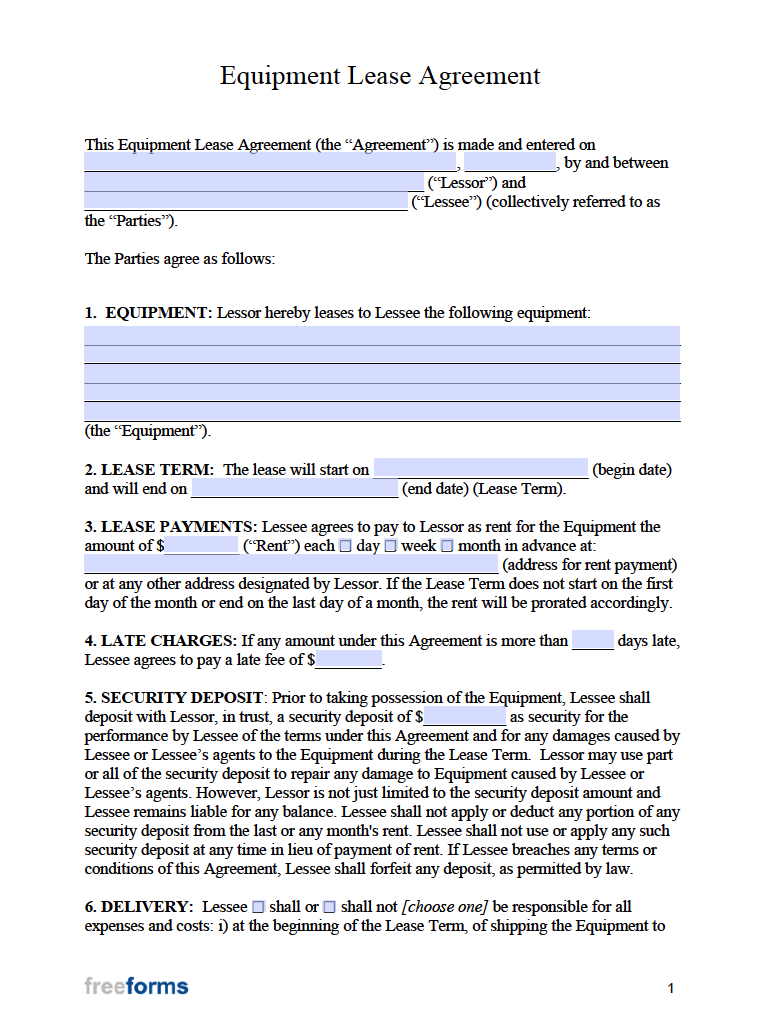
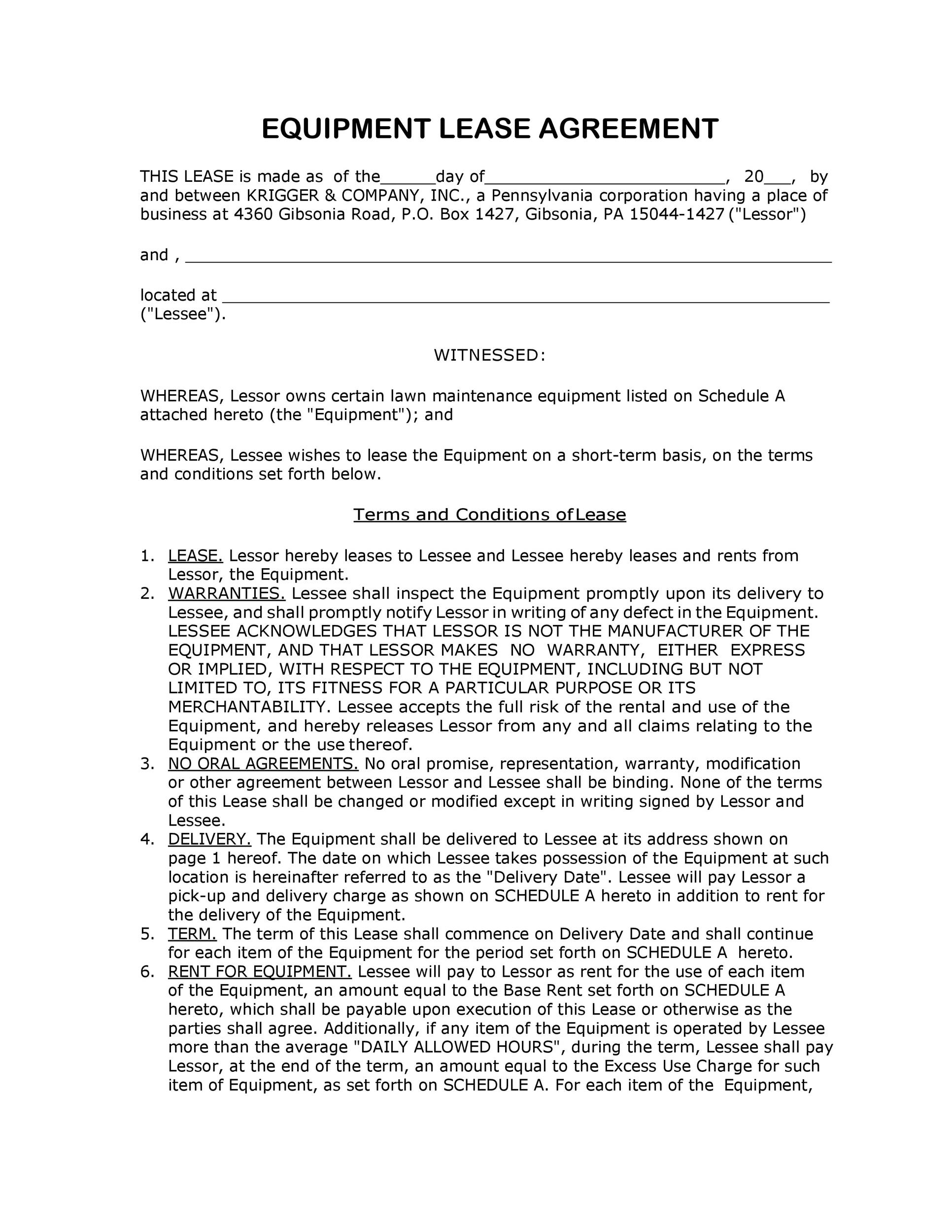
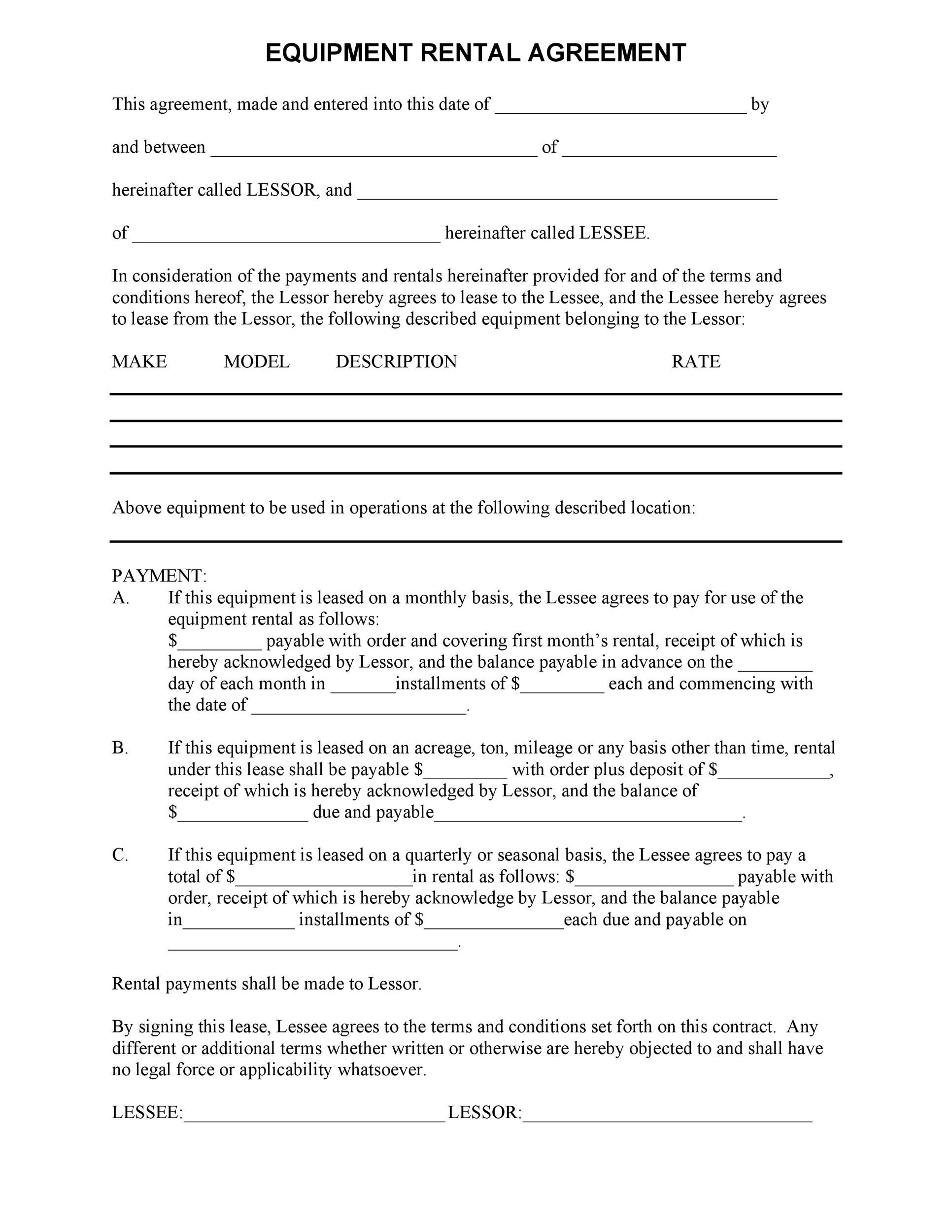
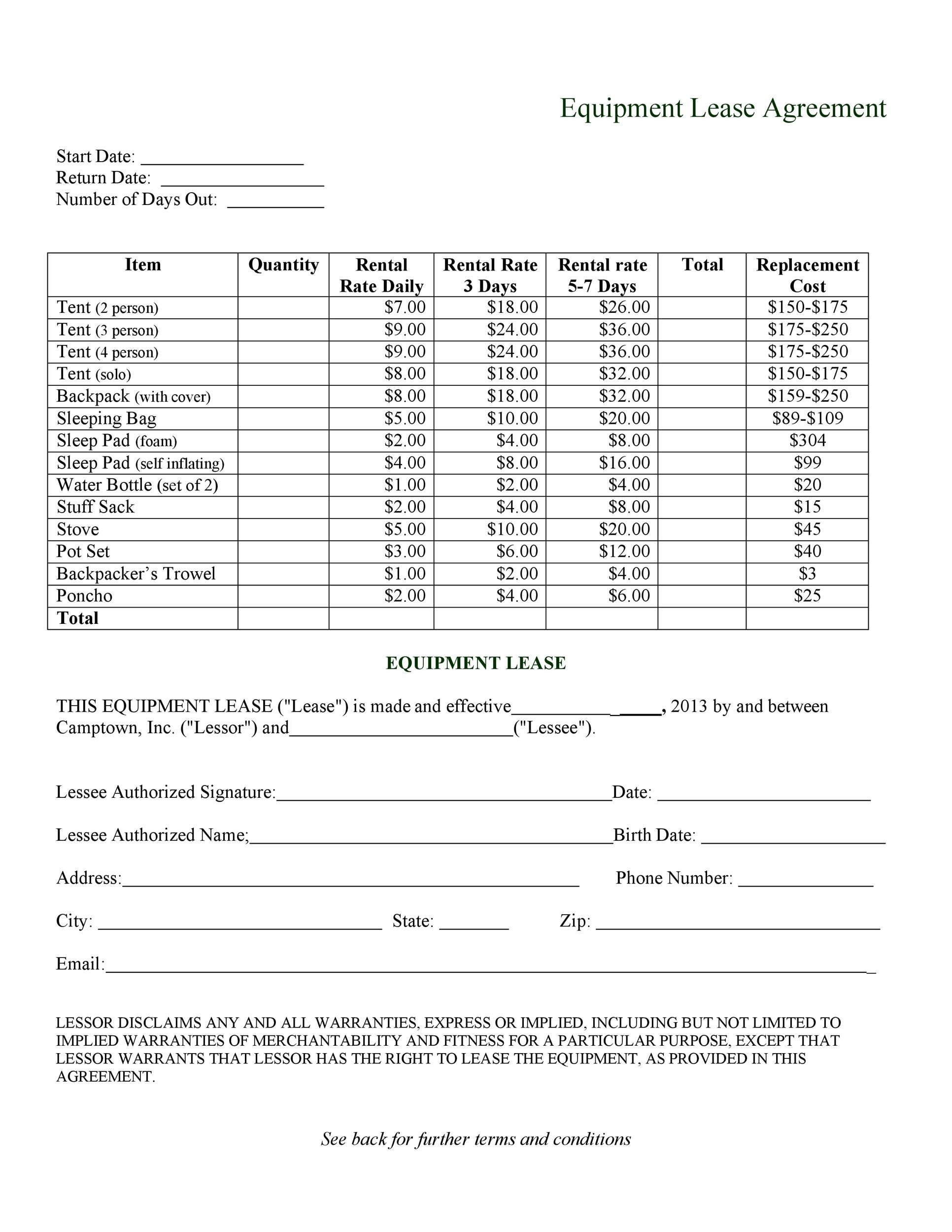
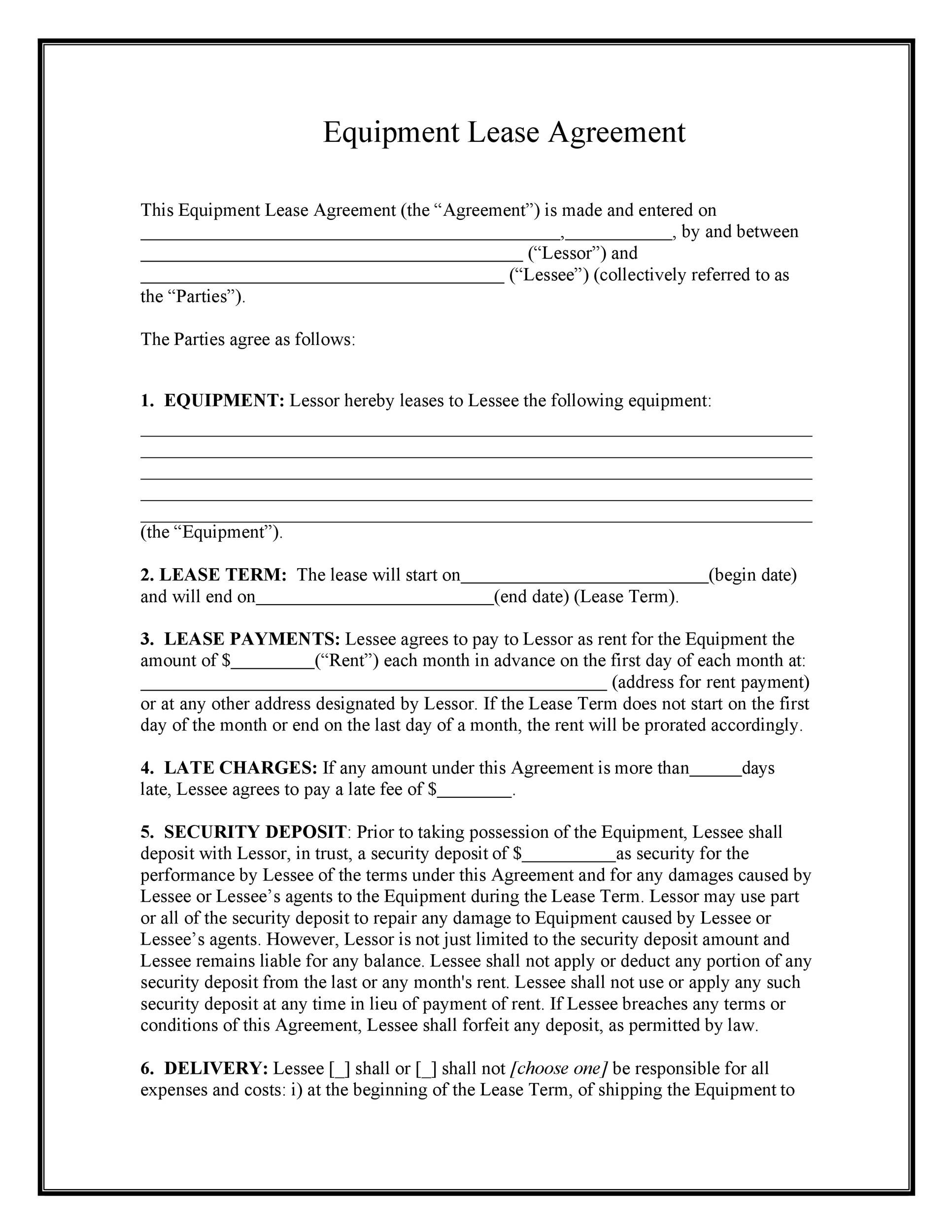
When drafting an equipment lease agreement, it’s essential to include key elements to protect both parties and ensure a smooth leasing experience. Here are some crucial components to include:
- Equipment Description: Clearly outline the equipment being leased, including make, model, serial number, and any relevant specifications.
- Lease Term: Specify the duration of the lease, including start and end dates, renewal options, and termination terms.
- Payment Terms: Detail the payment schedule, including the amount, frequency, and method of payment.
- Maintenance Responsibilities: Clarify who is responsible for maintenance, repairs, and upkeep of the equipment.
- Insurance Requirements: Specify the insurance coverage required for the leased equipment.
Examples
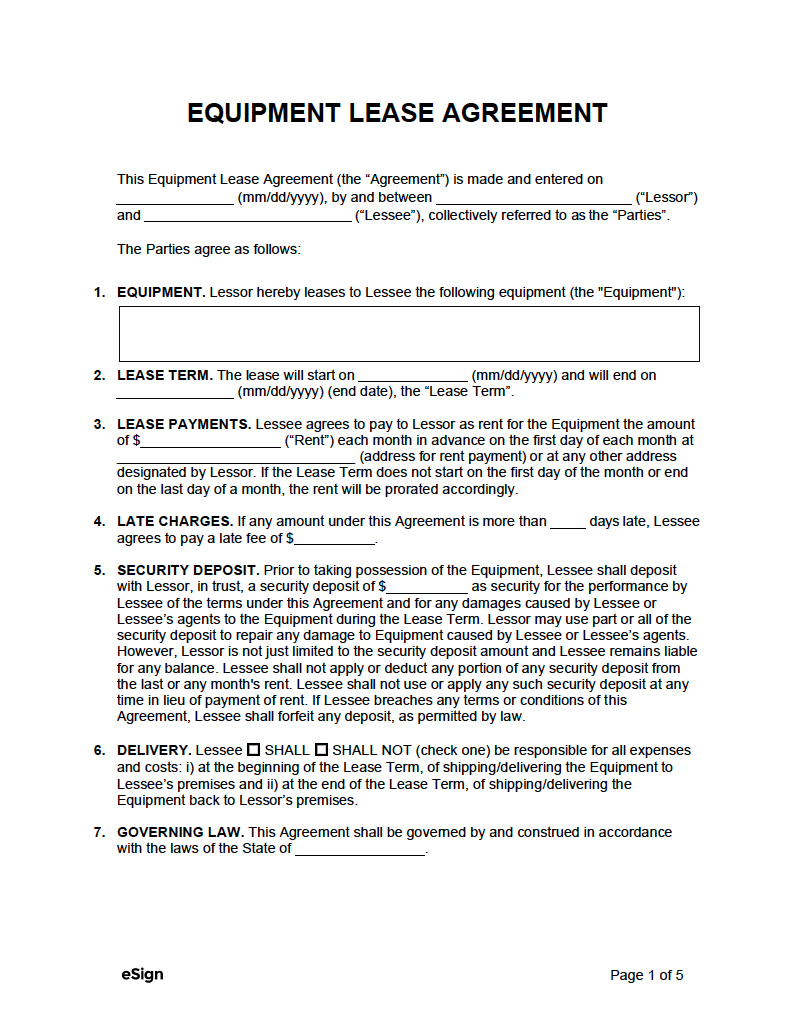
How to Navigate the Equipment Lease Agreement Process
Navigating the equipment lease agreement process can seem daunting, but with the right approach, it can be a straightforward and beneficial experience. Here are some steps to help you navigate the process effectively:
1. Research Your Options
Before diving into a lease agreement, research different leasing companies, terms, and rates to find the best fit for your needs.
2. Review the Agreement Carefully
Thoroughly review the lease agreement, ensuring you understand all terms and conditions before signing.
3. Negotiate Terms
Don’t be afraid to negotiate terms that better suit your needs, such as lower payments or flexible lease terms.
4. Understand Your Responsibilities
Understand your responsibilities as a lessee, including maintenance, insurance, and compliance with lease terms.
5. Keep Records
Maintain accurate records of lease payments, maintenance activities, and any correspondence related to the lease agreement.
Tips for Negotiating a Favorable Equipment Lease Agreement
When negotiating an equipment lease agreement, keep these tips in mind to secure a favorable deal:
- Know Your Budget: Have a clear understanding of your budget and financial limitations before entering negotiations.
- Compare Multiple Offers: Don’t settle for the first offer you receive; compare terms from multiple leasing companies to find the best deal.
- Seek Professional Advice: Consider consulting with a legal or financial advisor to ensure you fully understand the terms of the agreement.
- Clarify Maintenance Responsibilities: Clearly define maintenance responsibilities to avoid disputes down the line.
- Plan for Renewal or End of Lease: Consider your options for renewal or end of lease terms to avoid surprises at the lease’s conclusion.
Final Thoughts
Equipment lease agreements can be a valuable tool for businesses looking to acquire necessary equipment without the financial burden of purchasing outright. By understanding the key components of a lease agreement, navigating the process effectively, and negotiating favorable terms, businesses can make the most of equipment leasing to support their operations and growth.
Equipment Lease Agreement Template – Download
