Job reference letters are an essential part of the job application process. Whether you are an employer writing a letter for a former employee or a colleague writing a letter for a friend, knowing how to craft a compelling reference letter can make all the difference in helping someone land their dream job.
In this comprehensive guide, we will explore everything you need to know about job reference letters, including what they are, why they are important, what to include in them, how to write a stellar letter, and tips for ensuring your letter stands out from the rest.
What is a Job Reference Letter?
A job reference letter, also known as a letter of recommendation, is a document written by a previous employer, colleague, or supervisor that provides insight into an individual’s skills, abilities, and character. These letters are often required by employers as part of the job application process to assess the candidate’s qualifications and suitability for a particular role.
Why are Job Reference Letters Important?
Job reference letters play a crucial role in helping employers make informed hiring decisions. They offer a unique perspective on a candidate’s work ethic, professionalism, and interpersonal skills, which can’t always be gleaned from a resume or interview. A strong reference letter can set a candidate apart from the competition and compellingly showcase their strengths.
What to Include in a Job Reference Letter
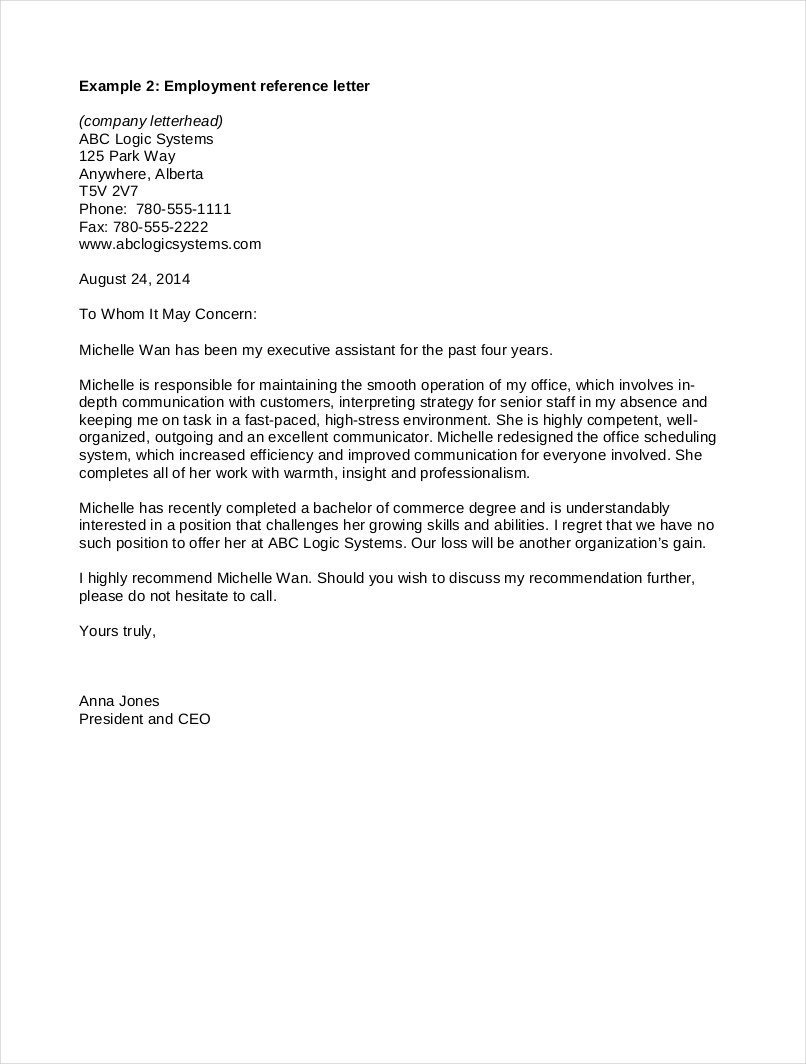
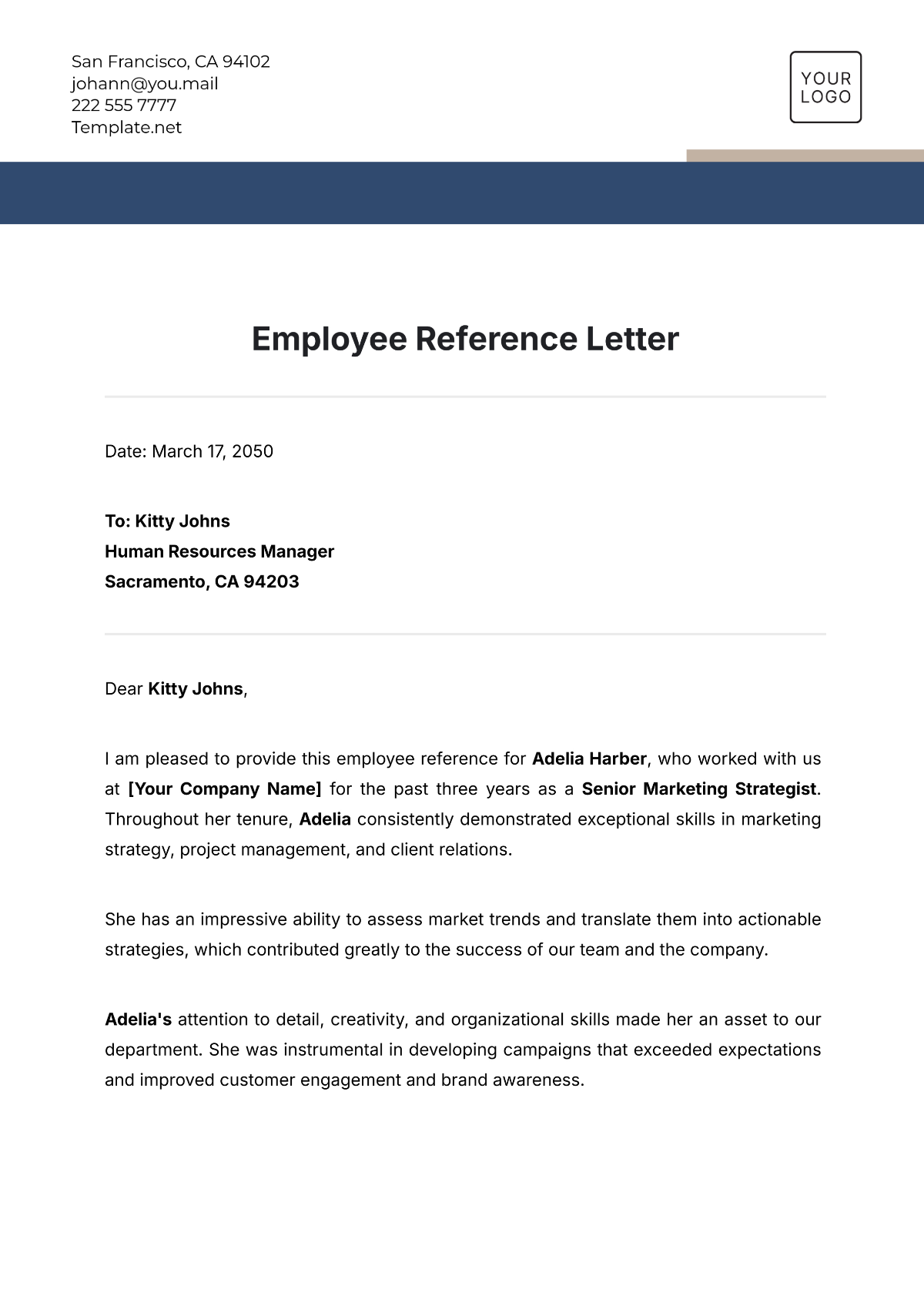
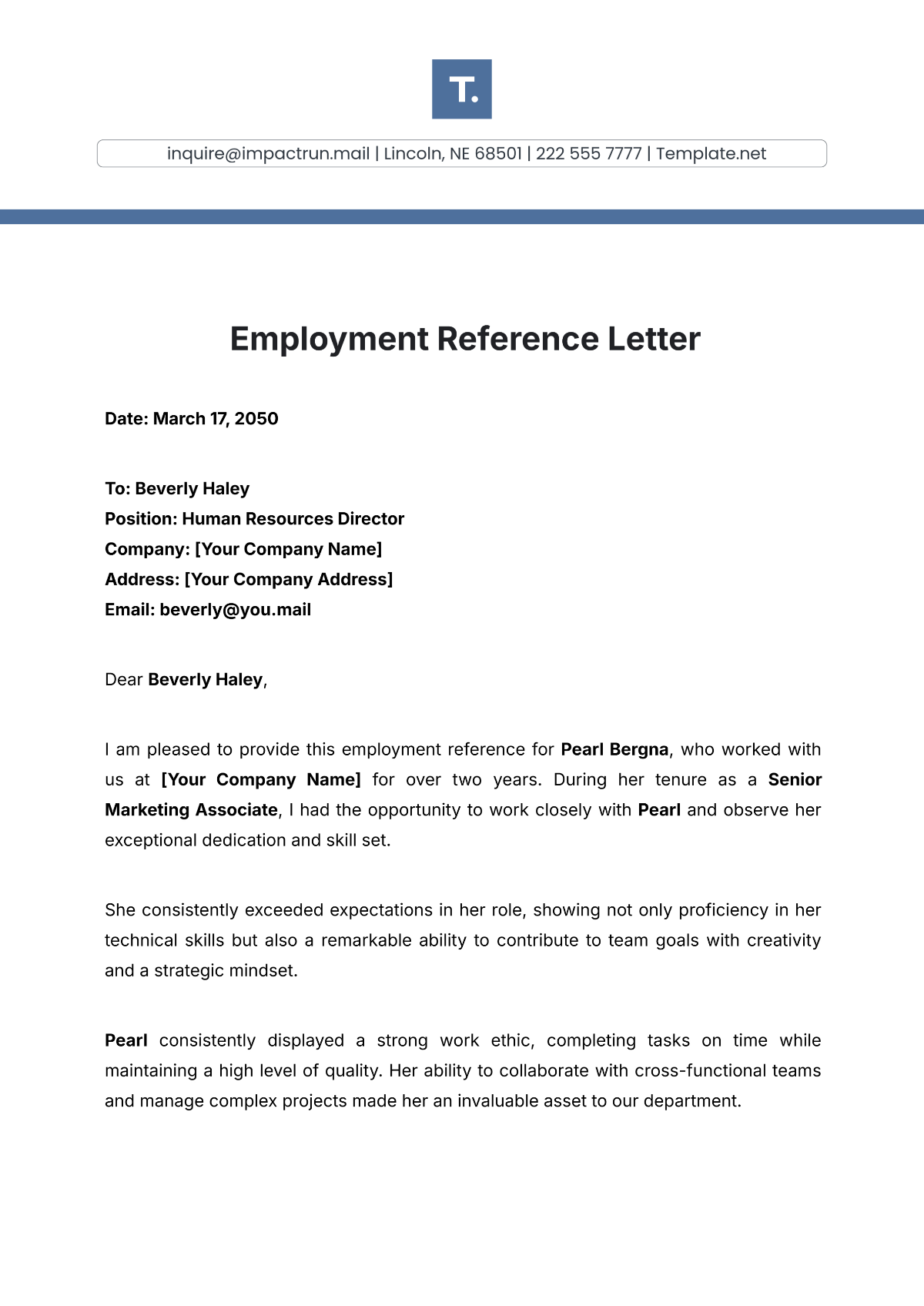
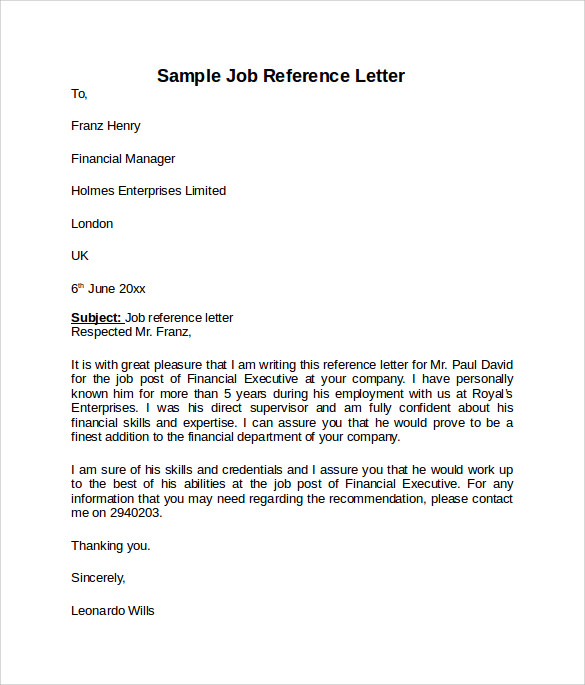
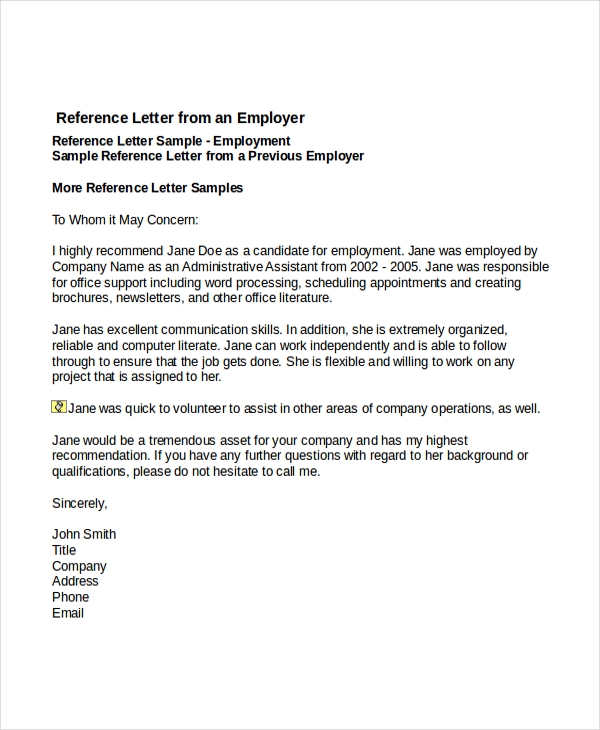
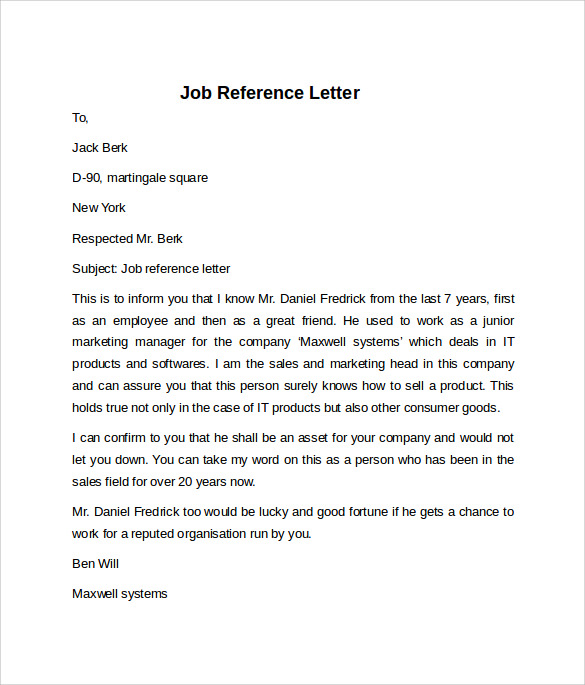
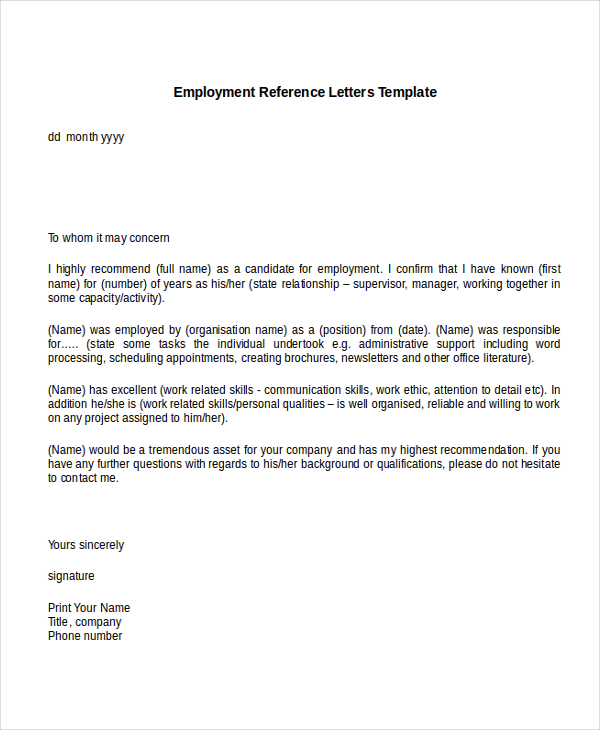
When writing a job reference letter, it’s important to include specific details and examples that highlight the candidate’s qualifications and achievements. Here are some key elements to include in your letter:
- Introduction: Start by introducing yourself and your relationship to the candidate.
- Description of the candidate’s role: Provide a brief overview of the candidate’s job responsibilities and achievements.
- Key skills and strengths: Highlight the candidate’s key skills, strengths, and accomplishments that are relevant to the job they are applying for.
- Personal qualities: Describe the candidate’s personal qualities, work ethic, and character traits that make them a valuable employee.
- Closing statement: End the letter with a strong endorsement of the candidate and your contact information for further inquiries.
Examples
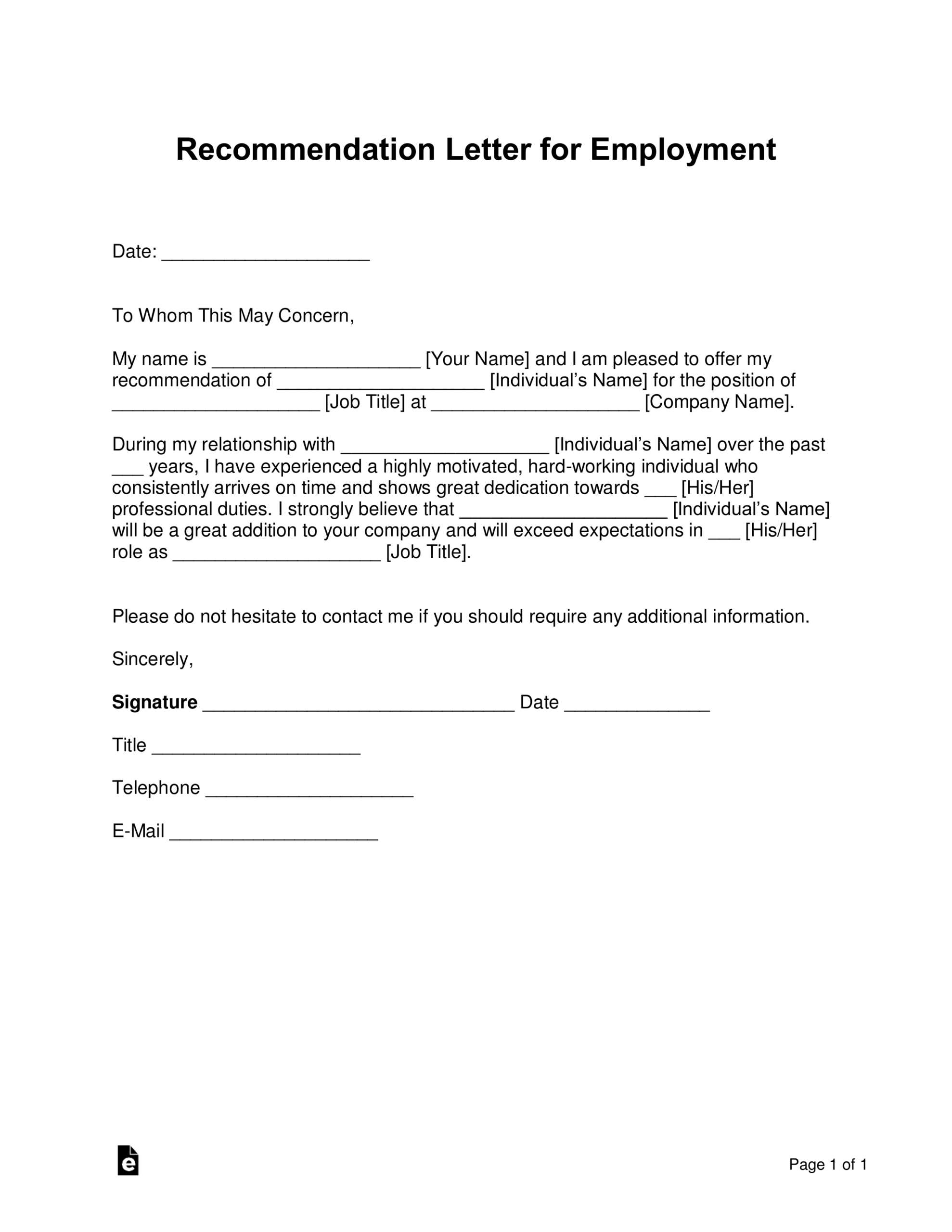
How to Write a Job Reference Letter
Writing a job reference letter may seem daunting, but with the right approach, you can create a compelling letter that highlights the candidate’s strengths. Here are some tips for writing a stellar job reference letter:
- Personalize the letter: Tailor the letter to the specific job and company the candidate is applying to.
- Be specific: Provide concrete examples and details to support your claims about the candidate’s qualifications.
- Use a professional tone: Maintain a professional tone throughout the letter, while also showcasing your enthusiasm for the candidate.
- Proofread carefully: Check for spelling and grammar errors, and make sure the letter is well-organized and easy to read.
- Ask for feedback: If possible, have someone review the letter before sending it to ensure it effectively communicates the candidate’s strengths.
Tips for Successful Job Reference Letters
Here are some additional tips to help you write successful job reference letters:
- Be honest: It’s important to be truthful and accurate in your assessment of the candidate’s abilities.
- Focus on relevant skills: Highlight the skills and qualities that are most relevant to the job the candidate is applying for.
- Quantify achievements: Use numbers and data to quantify the candidate’s achievements and impact in their previous roles.
- Be timely: Submit the letter on time to ensure it reaches the employer before the application deadline.
- Follow the employer’s guidelines: If the employer has specific requirements for reference letters, make sure to follow them closely.
In Conclusion
Writing a job reference letter is an important responsibility that can have a significant impact on someone’s career prospects. By following the tips and guidelines outlined in this guide, you can create a compelling and effective letter that showcases the candidate’s strengths and qualifications in the best possible light. Remember to be honest, specific, and thorough in your assessment, and you’ll be helping someone take a big step towards their professional goals.
Job Reference Letter Template – Download
