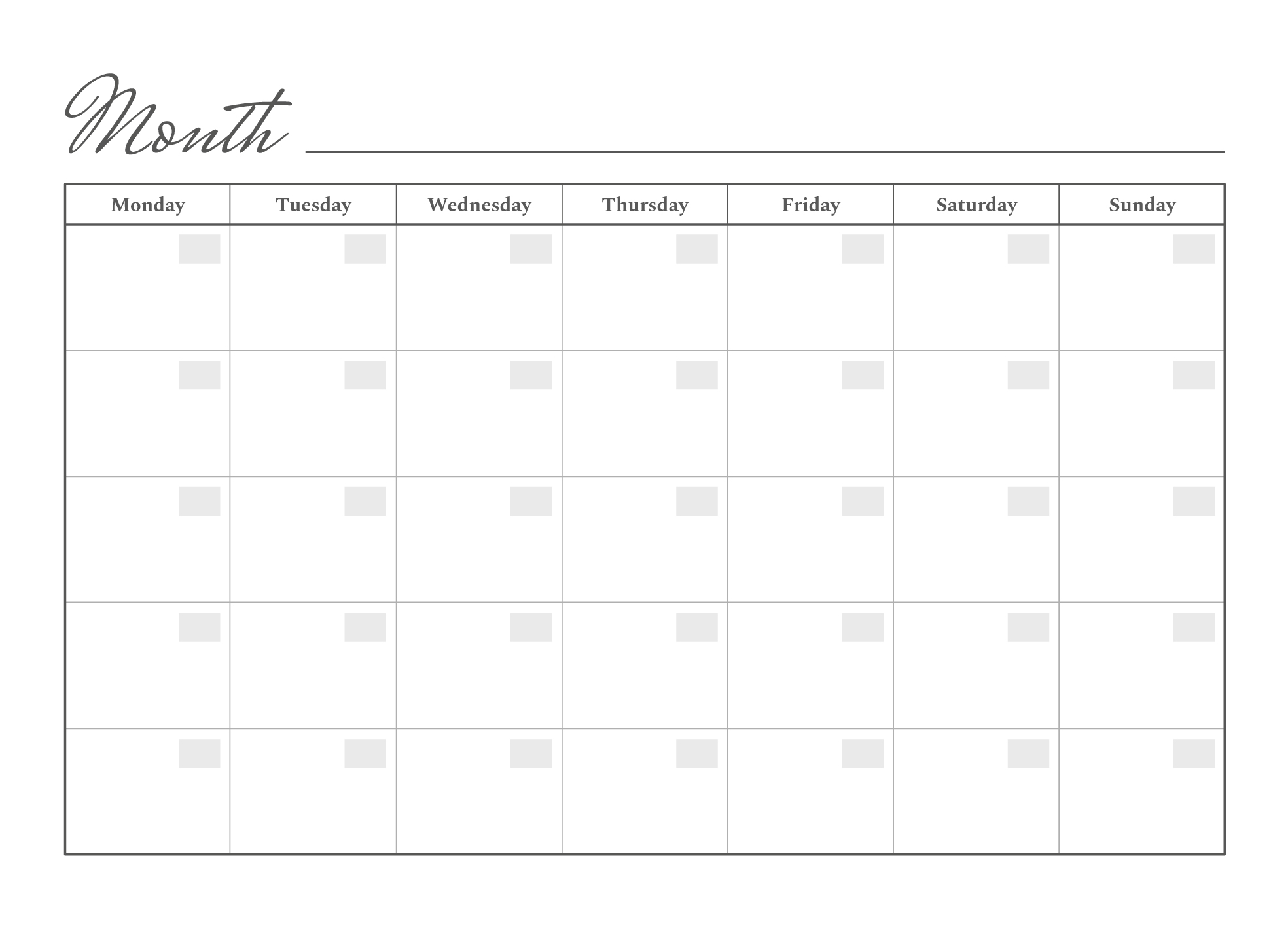
Creating a monthly schedule can be a daunting task, but with the right approach, it can be a valuable tool to help you stay organized and on track. Whether you are a student trying to balance schoolwork and extracurricular activities, a working professional juggling multiple projects, or simply looking to improve your time management skills, a monthly schedule can help you prioritize tasks, set goals, and allocate time for activities that matter most to you.
In this guide, we will explore the importance of creating a monthly schedule, what to include in it, how to effectively structure your schedule, and tips for successful implementation.
What is a Monthly Schedule?
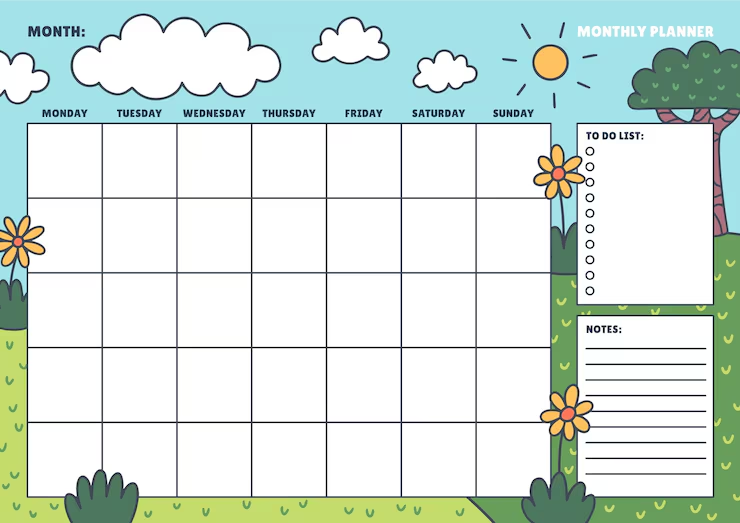
A monthly schedule is a plan that outlines your activities, tasks, appointments, and goals for the upcoming month. It provides a visual representation of how you will spend your time and helps you allocate resources efficiently. By creating a monthly schedule, you can ensure that you are making progress towards your goals, staying on top of deadlines, and maintaining a healthy work-life balance.
Why You Should Create a Monthly Schedule
There are several benefits to creating a monthly schedule. Here are a few reasons why you should consider implementing this organizational tool into your routine:
– Helps you prioritize tasks and set achievable goals
– Improves time management skills and efficiency
– Reduces stress and overwhelm by breaking down tasks into manageable chunks
– Allows you to allocate time for self-care and relaxation
– Helps you stay focused and on track with your objectives
What to Include in Your Monthly Schedule
When creating a monthly schedule, it is important to include the following elements to ensure it is comprehensive and effective:
– Important dates and deadlines (e.g., work meetings, project due dates, appointments)
– Recurring tasks (e.g., weekly errands, exercise routine, household chores)
– Goals and objectives for the month (e.g., personal development goals, career milestones)
– Breaks and downtime for self-care and relaxation
– Flexibility to accommodate unexpected events or changes in plans
How to Structure Your Monthly Schedule
Structuring your monthly schedule effectively is crucial to its success. Here are some tips to help you create a well-organized and functional schedule:
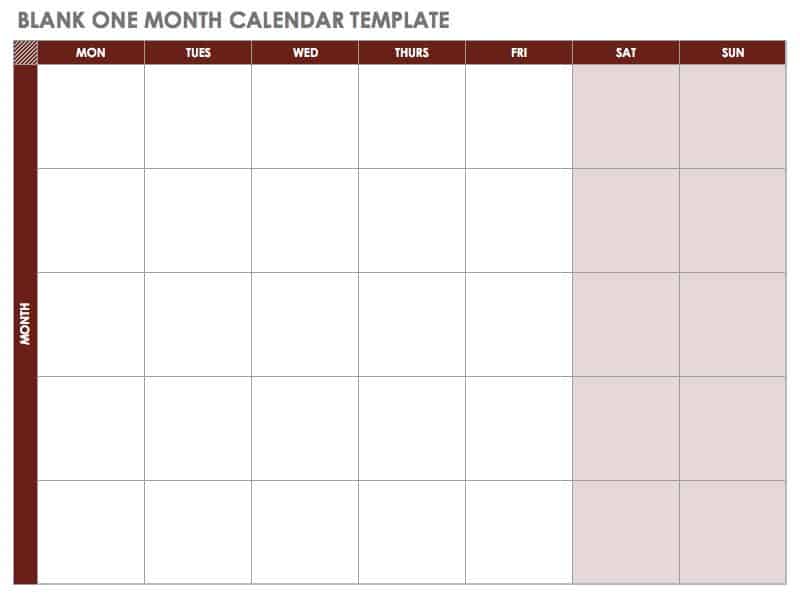
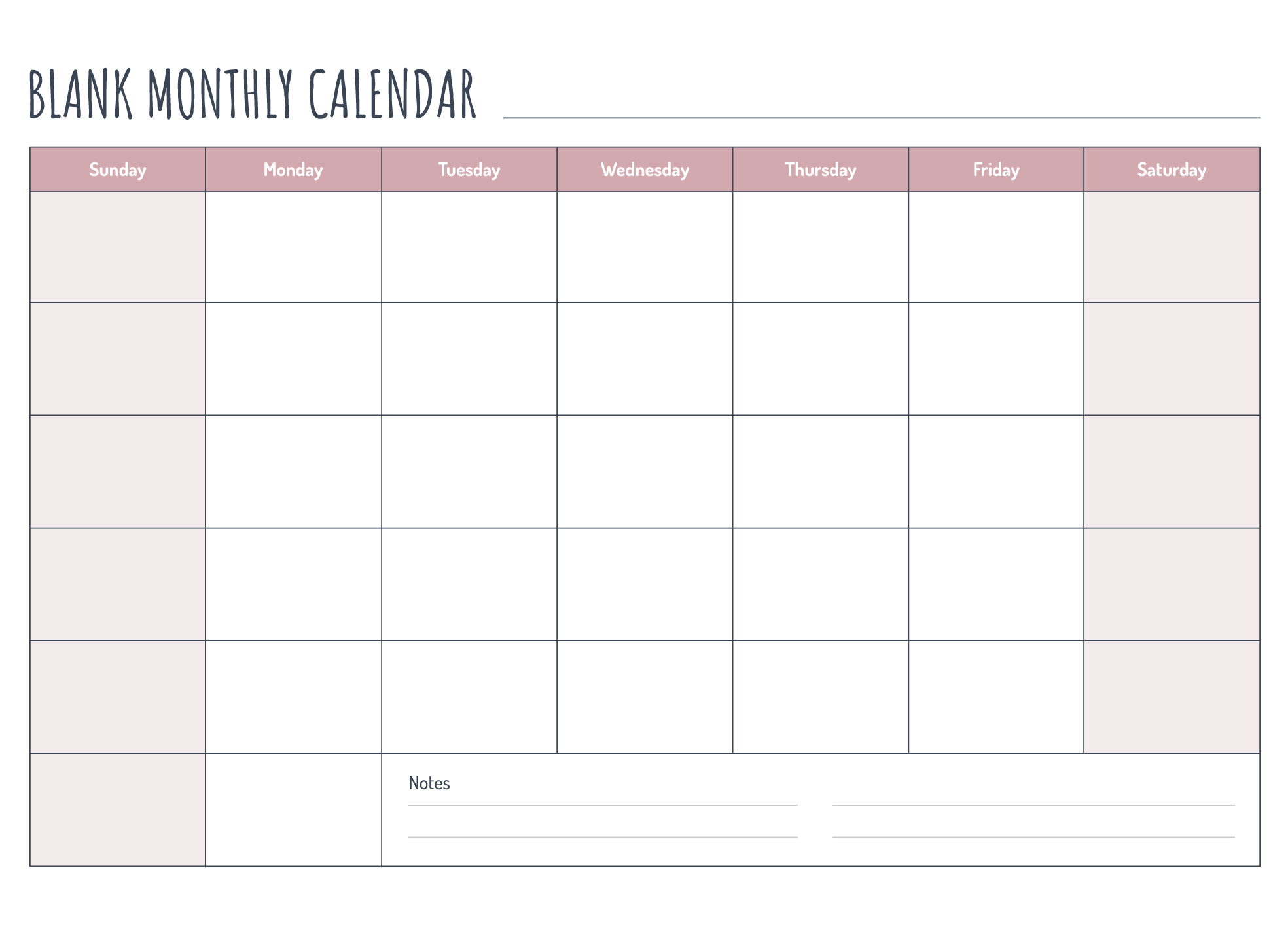
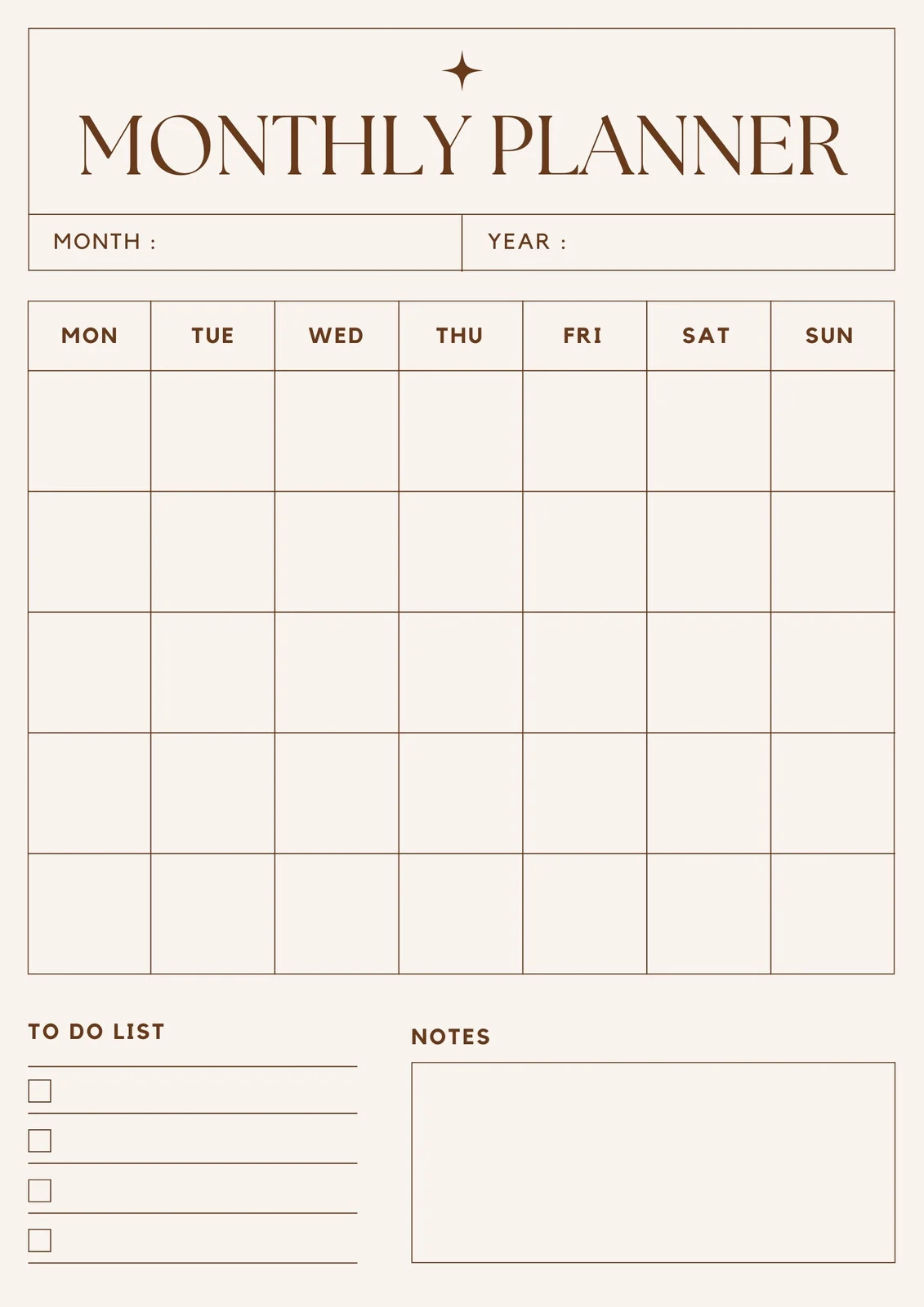
– Use a calendar or planner to visually layout your schedule
– Prioritize tasks based on importance and urgency
– Break down larger tasks into smaller action steps
– Allocate specific time blocks for each task or activity
– Include buffer time between tasks to account for unexpected delays
– Review and adjust your schedule regularly to stay on track
Tips for Successful Implementation
To ensure that your monthly schedule is effective and sustainable, consider the following tips for successful implementation:
– Set realistic and achievable goals for each month
– Be flexible and willing to adjust your schedule as needed
– Prioritize self-care and include time for relaxation and hobbies
– Use technology tools such as calendar apps or task management software to stay organized
– Seek feedback from others and make adjustments based on your experience
– Celebrate your successes and learn from any setbacks to improve your future schedules
By following these guidelines, you can create a monthly schedule that helps you stay organized, focused, and balanced in all areas of your life. Remember that consistency is key, and with practice, you can develop effective time management skills that will benefit you in the long run. Start creating your monthly schedule today and experience the positive impact it can have on your productivity and well-being.
