Are you a football fanatic who wants to understand more about how teams organize their players? If so, you’ve likely come across the term “football depth chart.” But what exactly does that mean?
In this comprehensive guide, we will explore the ins and outs of football depth charts, why they are essential, what to include in them, how to read them, and some tips for maximizing their effectiveness.
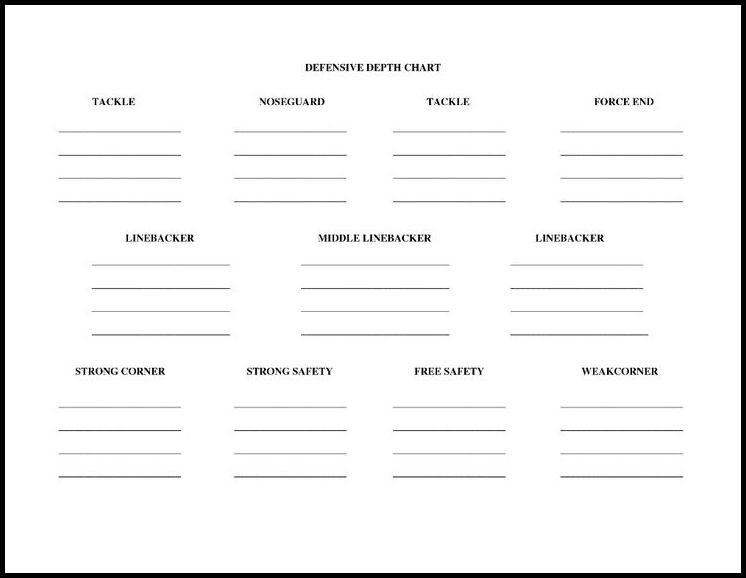
What is a Football Depth Chart?
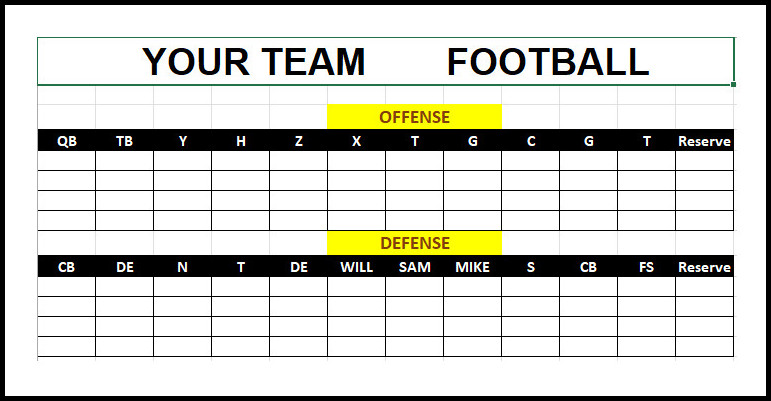
A football depth chart is a visual representation of a team’s roster, organized by position and player hierarchy. It provides a snapshot of who is currently starting at each position and who is next in line in case of injuries or substitutions. Coaches use the depth chart to make informed decisions about player rotations, game strategies, and overall team dynamics.
Why are Football Depth Charts Important?
Football depth charts play a crucial role in team management and game planning. By having a clear understanding of each player’s role and position within the team, coaches can optimize player performance, identify areas of improvement, and make strategic adjustments during games. Depth charts also help fans and analysts follow the team’s progress and predict outcomes based on player matchups.
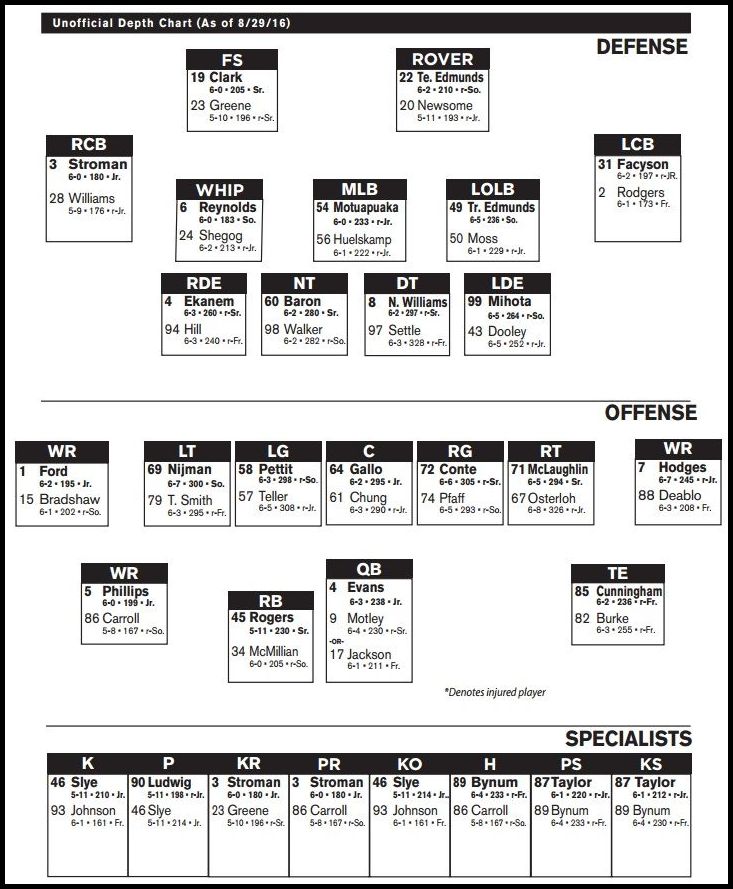
What to Include in a Football Depth Chart
When creating a football depth chart, there are several key elements to consider:
- Player Names: List the names of all players in each position group.
- Position Rankings: Indicate the starting player and backup players for each position.
- Injury Status: Note any players who are currently injured or unavailable to play.
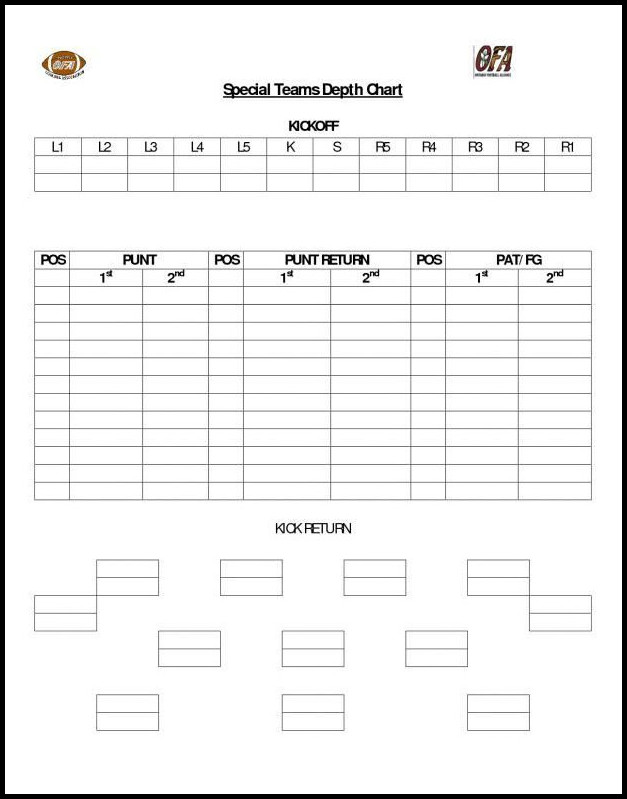
- Special Teams: Include kickers, punters, and return specialists in their respective positions.
- Depth Chart Changes: Update the chart regularly to reflect any lineup changes or player developments.
How to Read a Football Depth Chart
Reading a football depth chart may seem overwhelming at first, but with a little practice, you can easily decipher the information it provides. Start by focusing on the starting lineup and then move on to the backup players for each position. Pay attention to any notes or symbols that indicate player statuses or potential substitutions. Understanding the depth chart will give you valuable insights into the team’s strategies and player hierarchy.
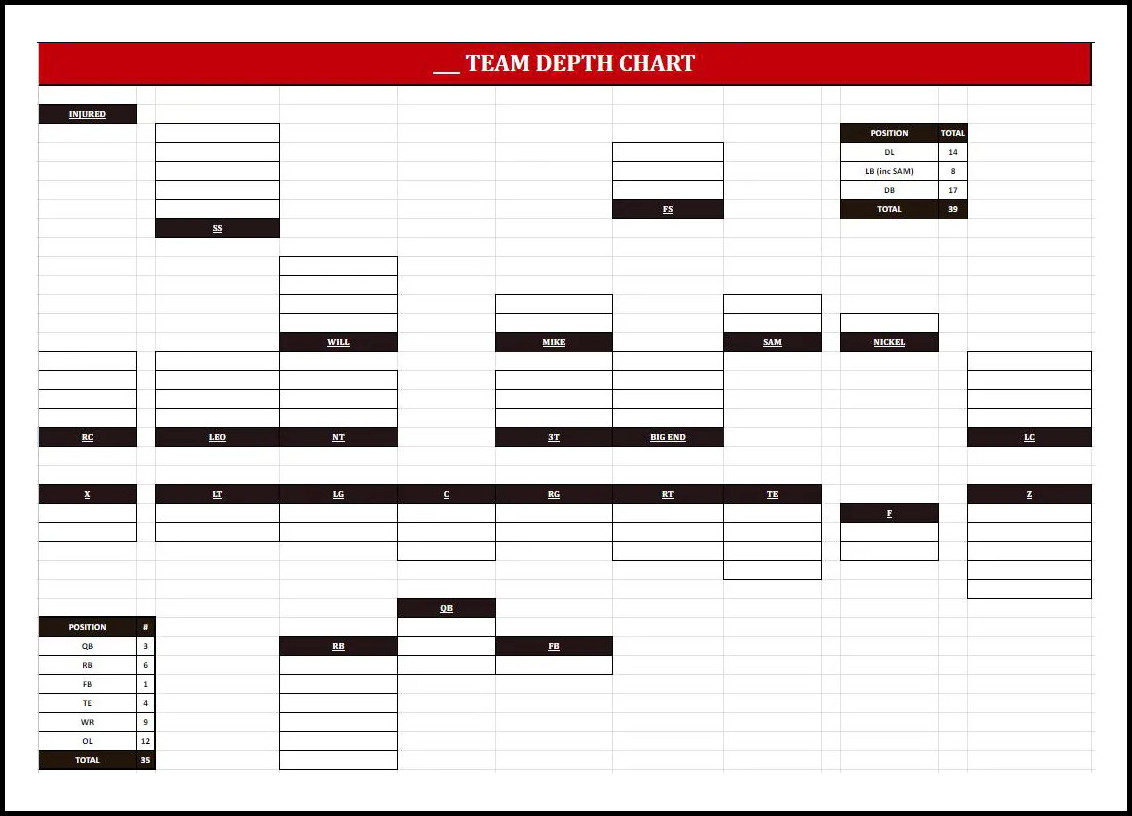
Tips for Maximizing Your Football Depth Chart
To make the most out of your football depth chart, consider the following tips:
- Regular Updates: Keep your depth chart current by making changes as needed based on player performances and injuries.
- Study Opponent Depth Charts: Compare your team’s depth chart with that of your upcoming opponents to identify potential matchups and weaknesses.
- Use Color Coding: Highlight key players or positions using different colors to draw attention to critical areas of your depth chart.
- Seek Expert Advice: Consult with coaches, analysts, or former players to gain insights into interpreting and using depth charts effectively.
- Track Player Progression: Monitor player development over time to identify trends and areas for improvement within your team.
Conclusion
Football depth charts are invaluable tools for coaches, players, fans, and analysts alike. By understanding how to create, read, and maximize the potential of these charts, you can gain a deeper appreciation for the intricacies of team dynamics and player management. Whether you’re a die-hard football fan or just getting started, mastering the art of football depth charts will undoubtedly enhance your football experience.
