Are you overwhelmed with organizing an upcoming event and struggling to create a detailed schedule? Planning an event schedule can be daunting, but with the right approach and tools, you can streamline the process and ensure your event runs smoothly. From determining the event timeline to allocating time for each activity, having a well-thought-out schedule is crucial for the success of any event.
In this comprehensive guide, we will walk you through the ins and outs of event scheduling, providing valuable tips and strategies to create a seamless, efficient schedule for your next event.
What is an Event Schedule?
An event schedule is a detailed timeline that outlines the sequence of activities, presentations, performances, and other key elements of an event. It serves as a roadmap for organizers, participants, and attendees, helping them stay informed about what to expect and when.
A well-structured event schedule ensures that all activities are coordinated effectively and that participants can make the most of their time at the event. From registration and networking sessions to keynote speeches and breakout sessions, the event schedule plays a critical role in keeping the event on track and ensuring that everything runs smoothly.
Why is an Event Schedule Important?
Creating a comprehensive event schedule is essential for the success of any event. Here are some key reasons why an event schedule is crucial:
1. Organization: An event schedule helps organizers stay organized and on track, ensuring that all activities are coordinated effectively.
2. Time Management: A detailed schedule allows participants to plan their day and allocate time for key activities and sessions.
3. Communication: The event schedule serves as a communication tool, providing attendees with important information about the event agenda and timeline.
4. Coordination: A well-structured schedule helps coordinate different activities, ensuring that speakers, performers, and attendees are in the right place at the right time.
5. Flexibility: While a schedule provides structure, it should also allow for flexibility and adjustments as needed to accommodate unforeseen changes or delays.
What to Include in an Event Schedule
When creating an event schedule, it’s important to include the following key elements:
1. Event Title and Date: Clearly state the name of the event and the date on which it will take place.
2. Time Blocks: Divide the schedule into time blocks, specifying the start and end times for each activity.
3. Activity Descriptions: Provide detailed descriptions of each activity, including the name of the session, speaker or performer, and any relevant information.
4. Breaks and Networking Sessions: Allocate time for breaks, meals, and networking sessions to allow participants to recharge and connect with others.
5. Room Assignments: Specify the location or room for each activity to help attendees navigate the event venue.
6. Contingency Plans: Have contingency plans in place in case of unexpected changes or delays to ensure that the event can proceed smoothly.
7. Contact Information: Include contact information for key event organizers or staff members in case attendees have questions or need assistance.
Examples
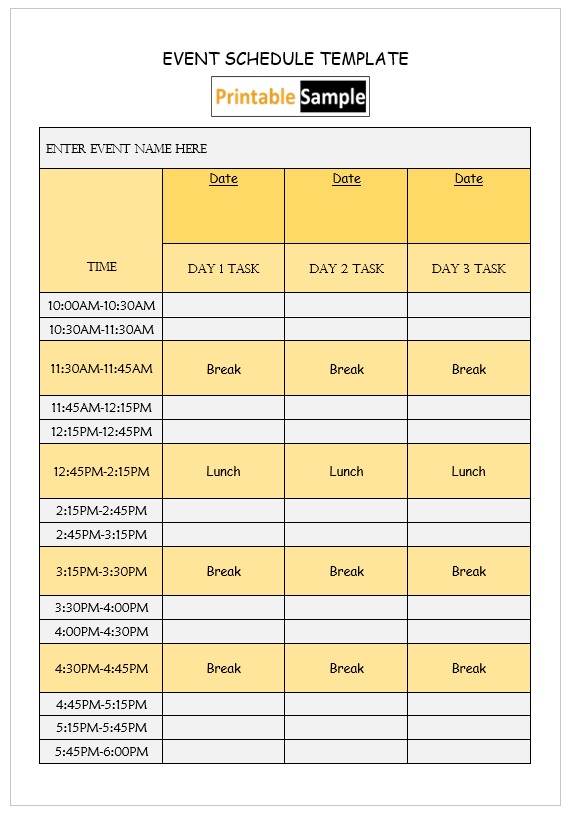
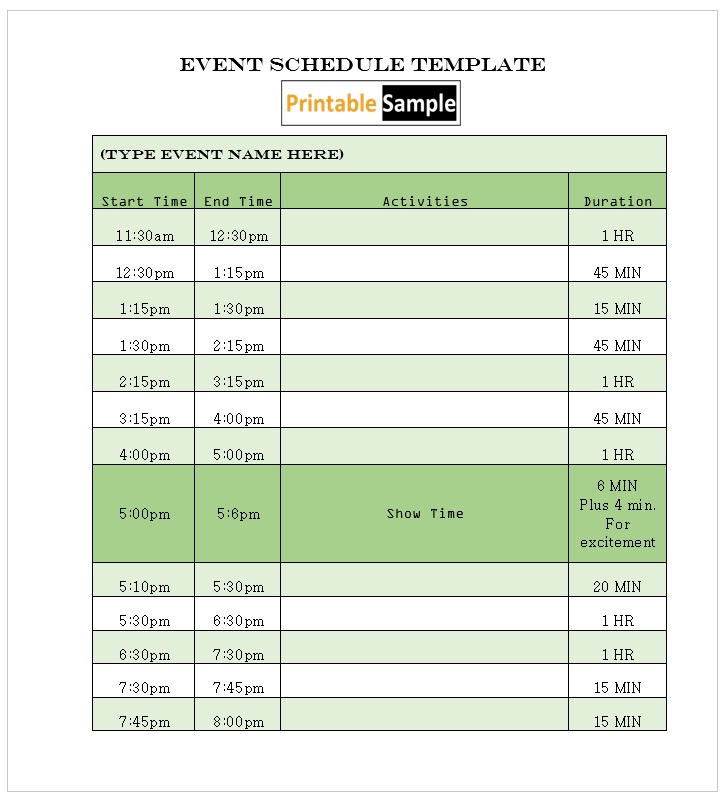
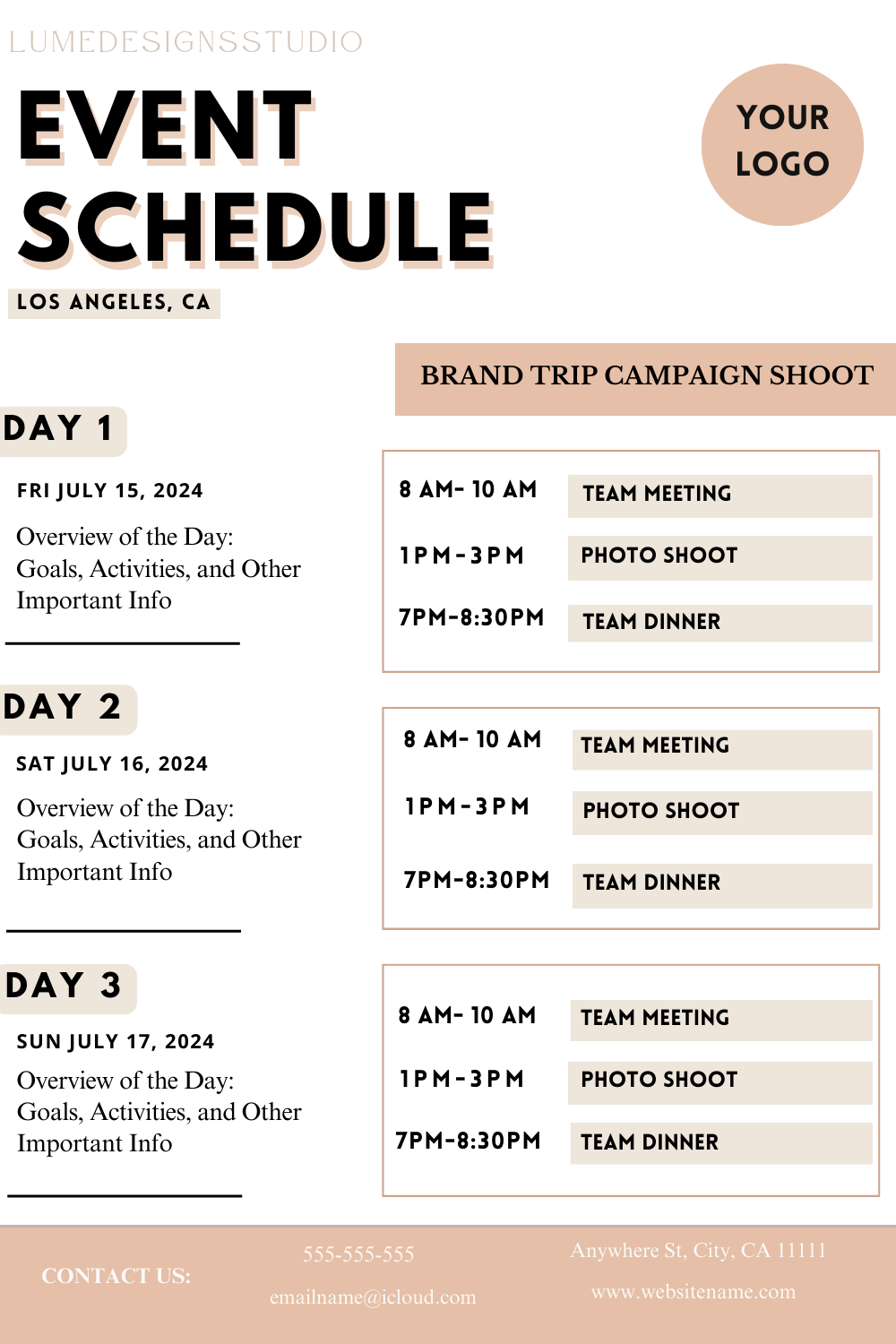
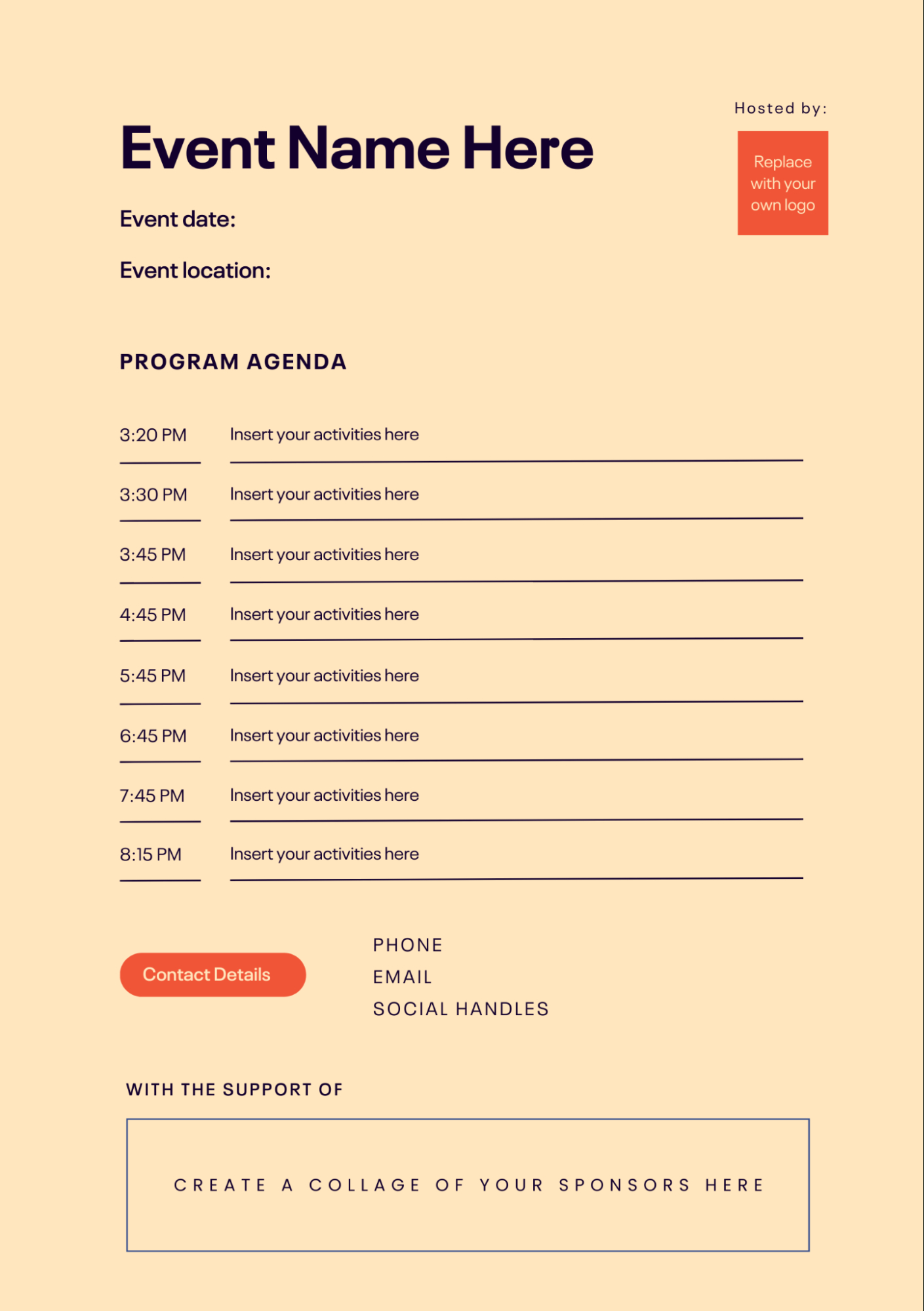
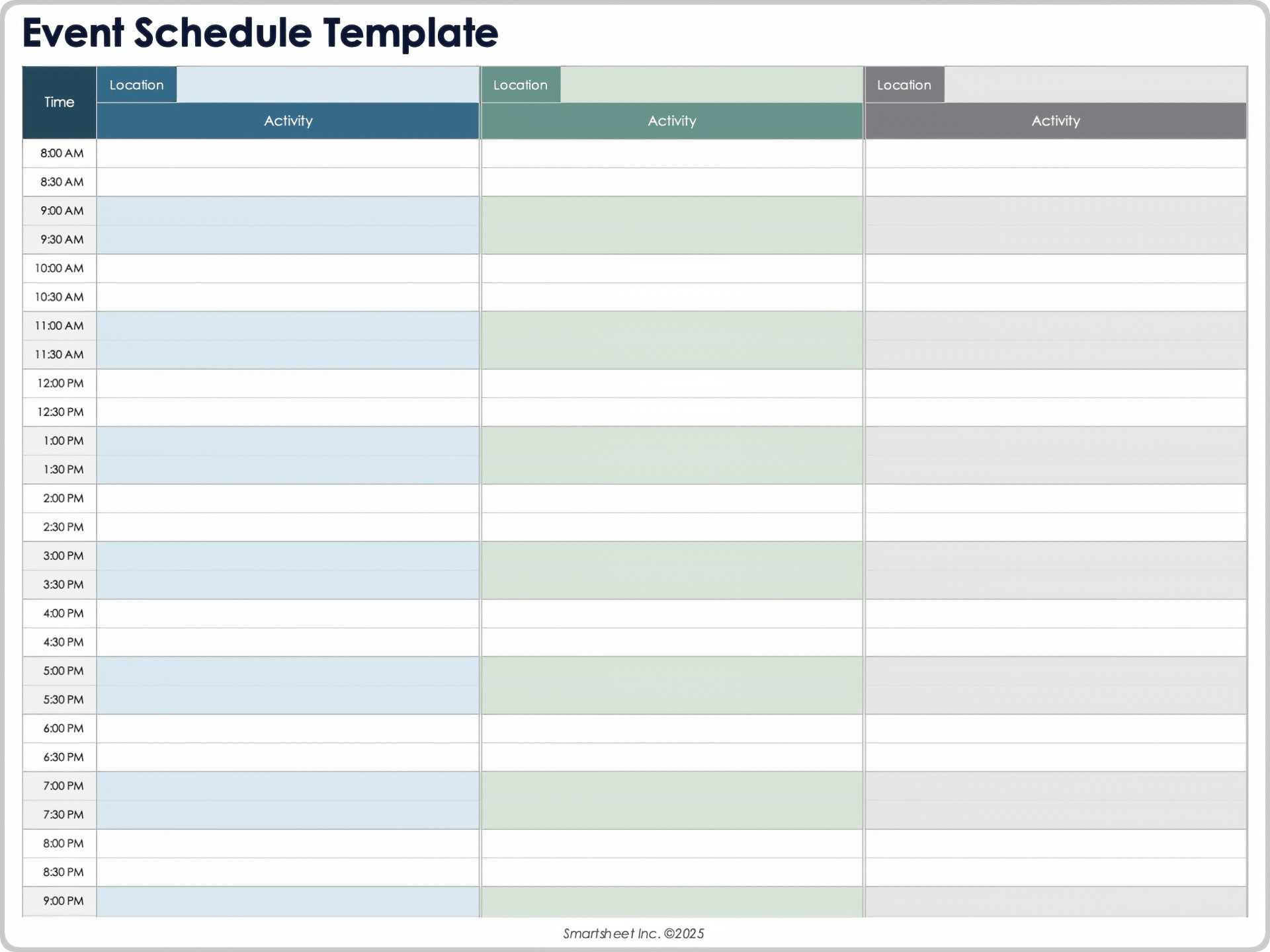
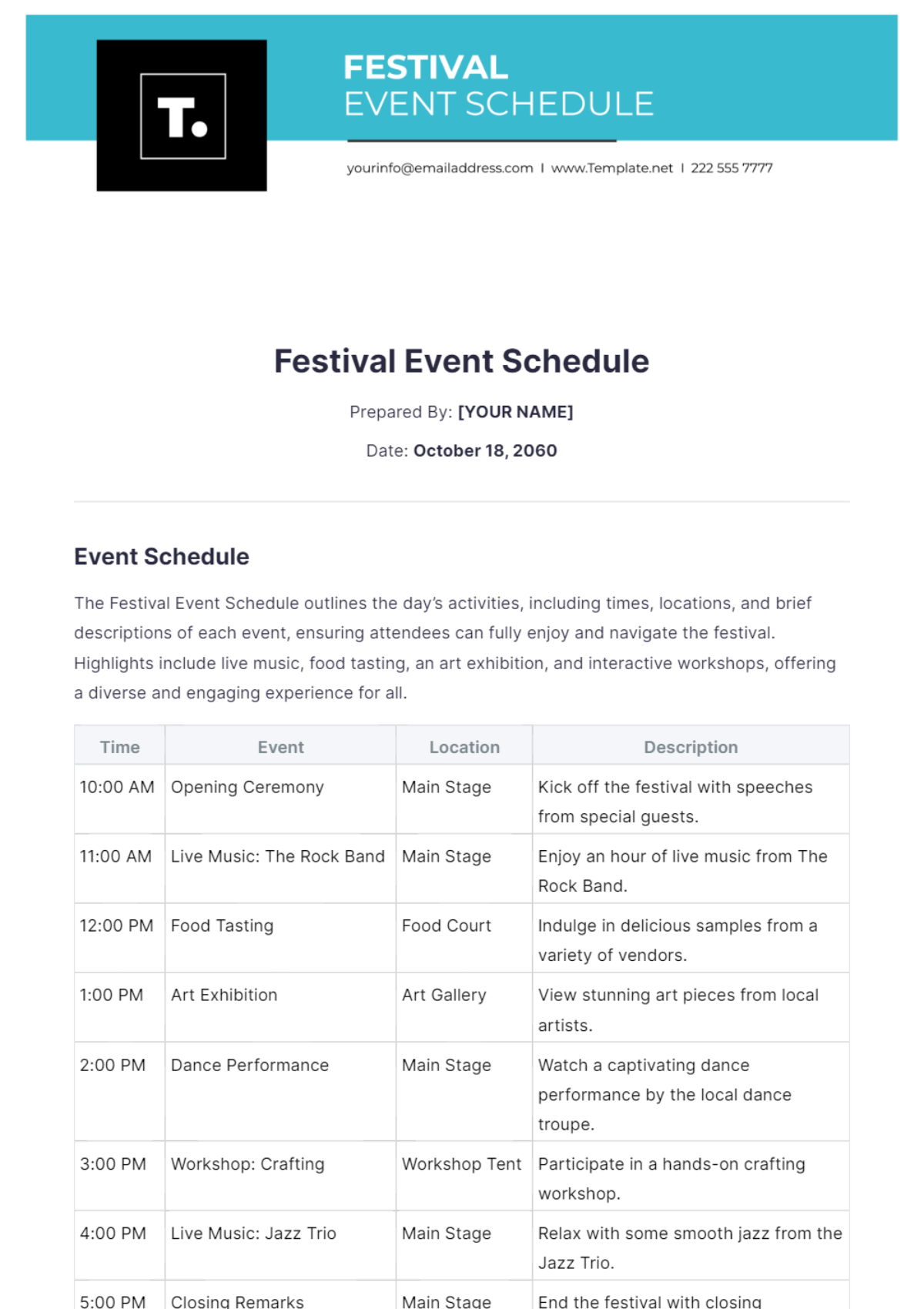
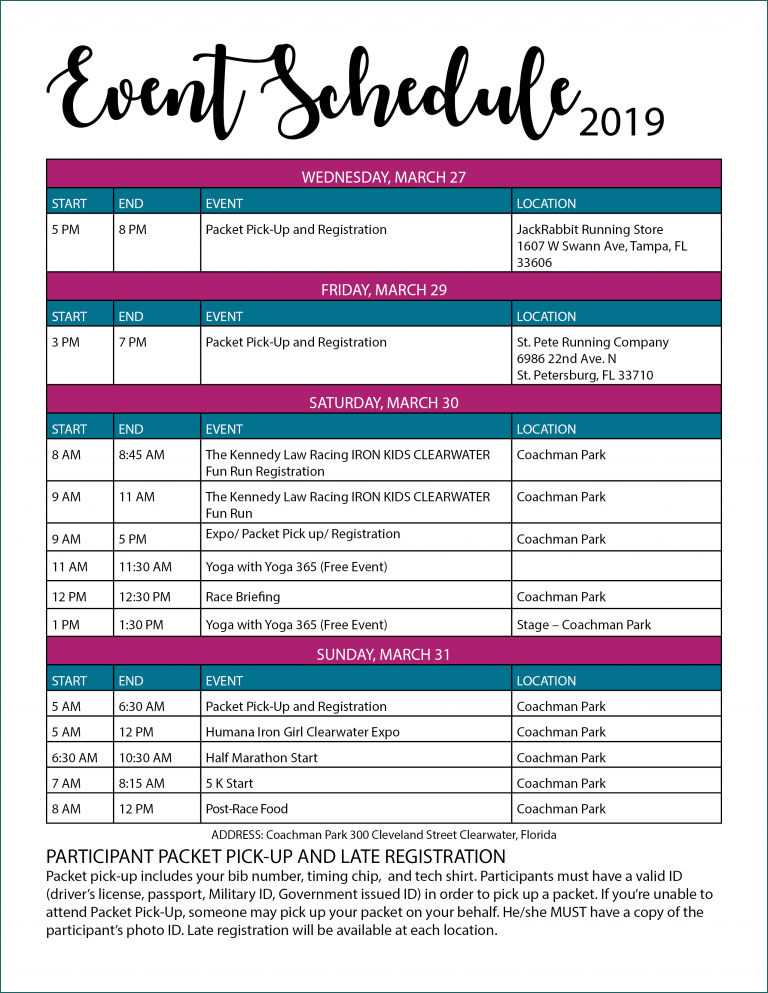
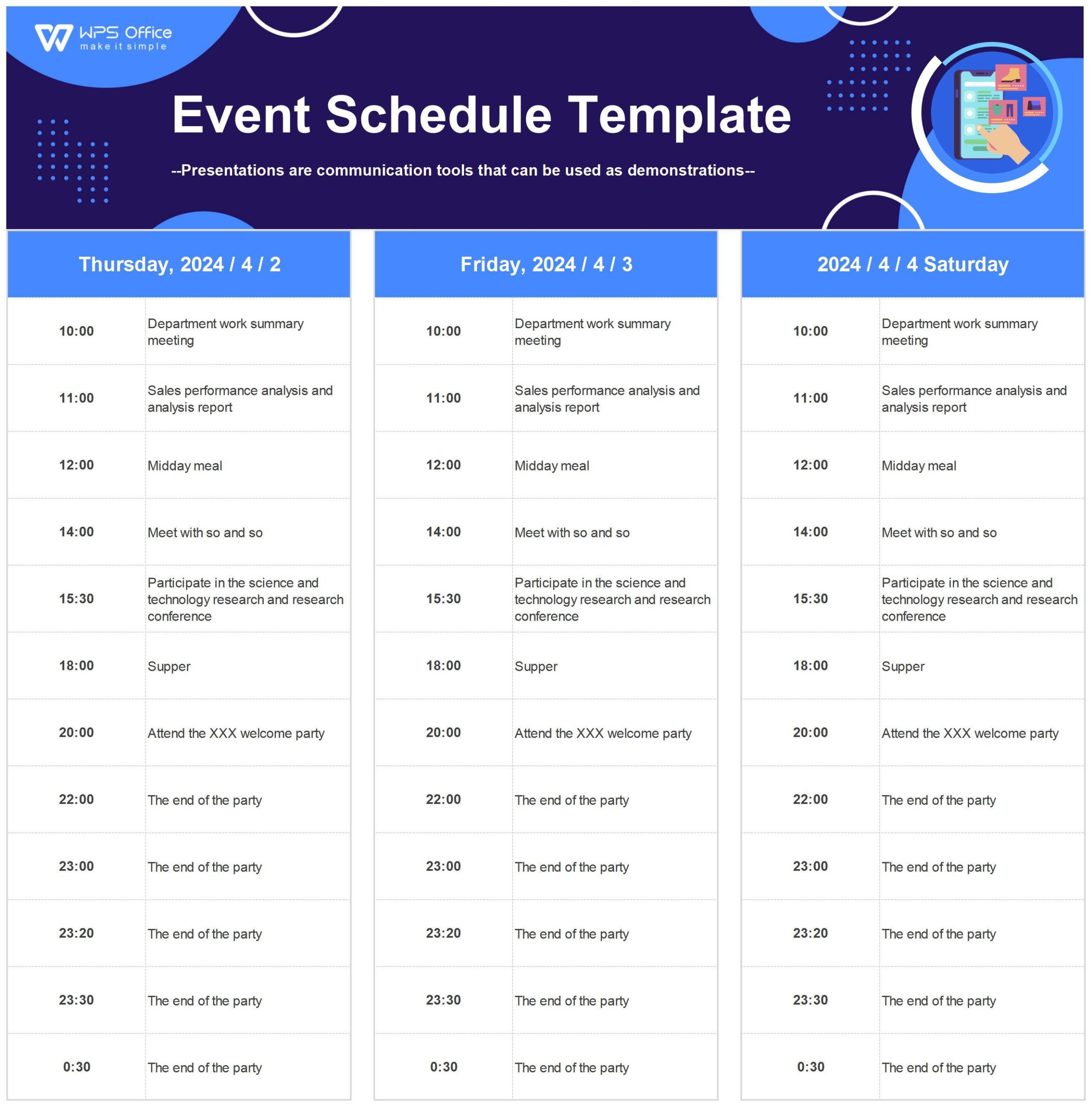
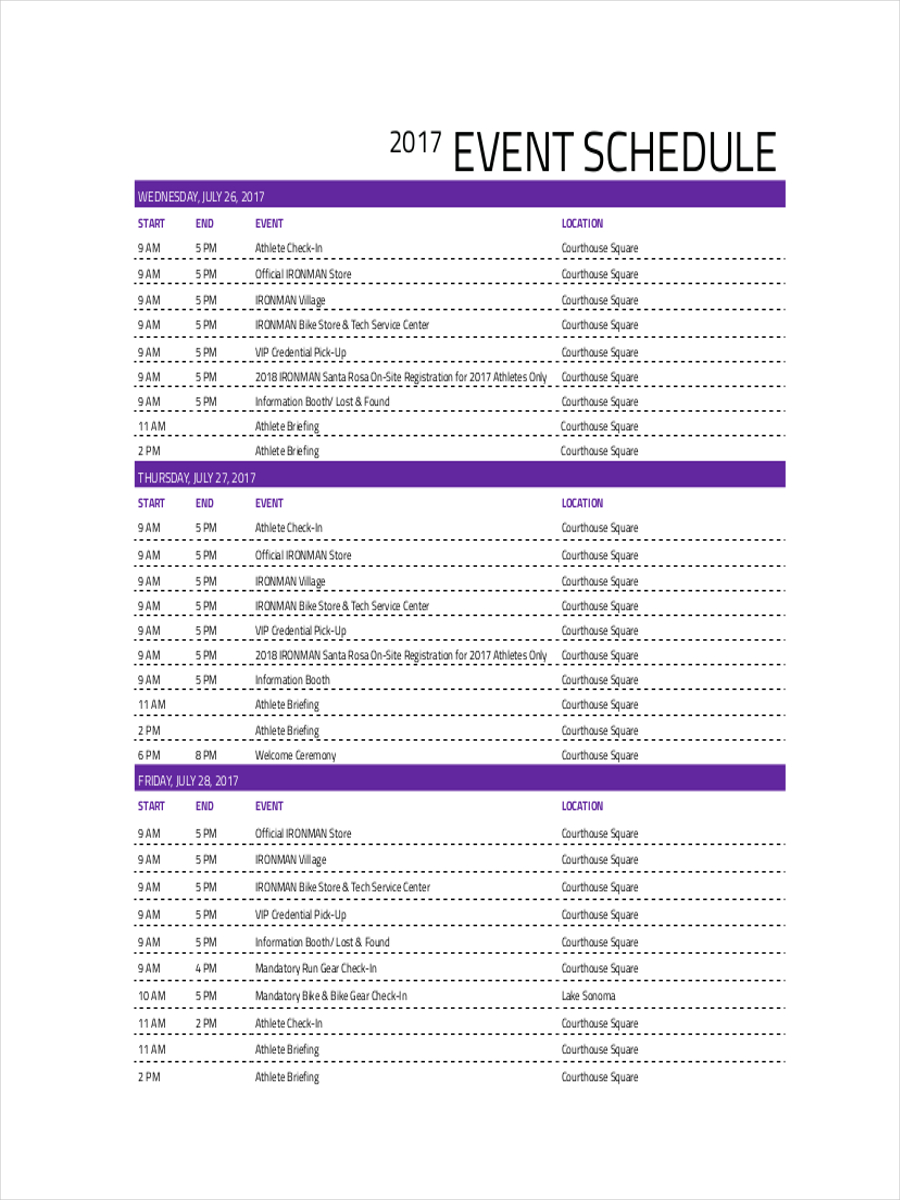
How to Create an Effective Event Schedule
Creating an effective event schedule requires careful planning and attention to detail. Here are some tips to help you create a successful schedule for your next event:
1. Start Early: Begin planning your event schedule well in advance to allow ample time for revisions and adjustments.
2. Prioritize Key Activities: Identify the most important activities and sessions for your event and allocate sufficient time for each.
3. Consider Attendee Needs: Take into account the needs and preferences of your attendees when scheduling activities, breaks, and meals.
4. Communicate Clearly: Ensure that the event schedule is clear, concise, and easy to understand for all participants.
5. Test the Schedule: Review the schedule with key stakeholders and conduct a run-through to identify any potential issues or conflicts.
6. Be Flexible: Allow for flexibility in the schedule to accommodate unexpected changes or delays without disrupting the overall flow of the event.
7. Get Feedback: Collect feedback from participants after the event to gather insights on what worked well and areas for improvement for future events.
Tips for Managing an Event Schedule
Managing an event schedule can be challenging, but with the right approach and tools, you can ensure that your event runs smoothly. Here are some tips to help you manage your event schedule effectively:
- Assign Responsibilities: Delegate tasks and responsibilities to team members to ensure that everyone is clear on their roles and responsibilities.
- Stay Organized: Use event management software or tools to keep track of all activities, timelines, and resources related to the event schedule.
- Communicate Effectively: Keep all stakeholders informed about any changes or updates to the schedule to avoid confusion or misunderstandings.
- Monitor Progress: Regularly review the event schedule and monitor progress to identify any potential issues or delays that may arise.
- Stay Calm: In the event of unexpected changes or challenges, remain calm and focused on finding solutions to keep the event on track.
- Seek Feedback: After the event, collect feedback from participants, speakers, and staff to assess the effectiveness of the event schedule and identify areas for improvement.
Conclusion
In conclusion, creating a detailed and well-organized event schedule is essential for the success of any event. By following the tips and strategies outlined in this guide, you can effectively plan and manage your event schedule, ensuring that all activities are coordinated smoothly and that participants have a positive and memorable experience.
Remember to prioritize key activities, communicate effectively, and be flexible in your approach to create a successful event schedule that meets the needs and expectations of all stakeholders. With careful planning and attention to detail, you can create a seamless and efficient schedule for your next event.
Event Schedule Template – Download
