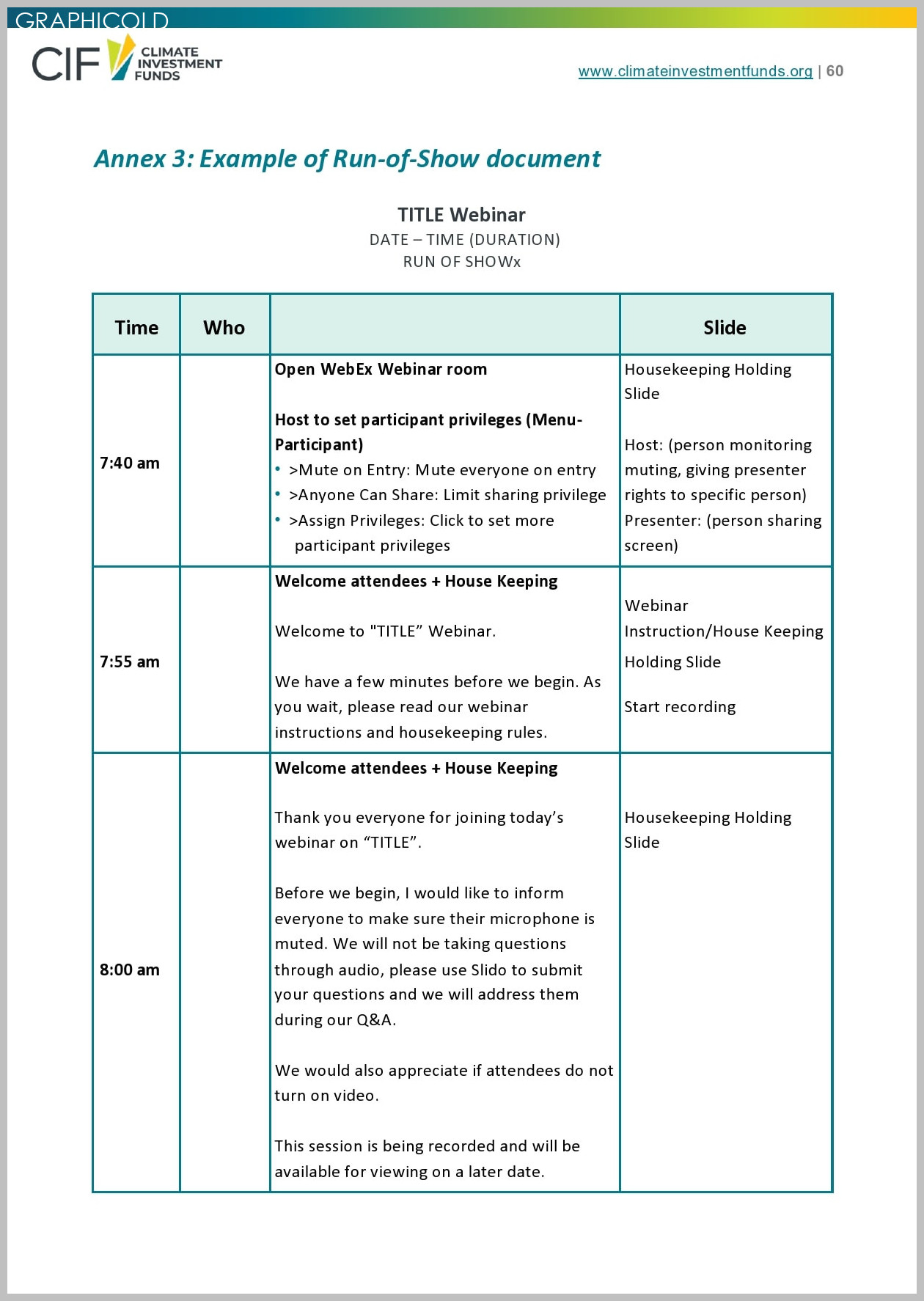
Have you ever heard the term “run of show” and wondered what it means? Whether you are planning an event, working in the entertainment industry, or simply curious about event management, understanding the concept of run of show is essential. In this comprehensive guide, we will break down everything you need to know about run of show, including its definition, key elements, how to create one, and tips for successful implementation. Let’s dive in!
What is Run of Show?
Run of show, often abbreviated as ROS, is a detailed timeline or schedule that outlines the sequence of events or activities during a live production, event, or performance. It serves as a blueprint for everyone involved in the production, including event planners, producers, talent, technicians, and crew members. The run of show provides a clear roadmap of what needs to happen, when it needs to happen, and who is responsible for each task.
Why is Run of Show Important?
Having a well-structured run of show is crucial for the smooth and successful execution of any event or production. Here are some reasons why run of show is important:
- Organization: A run of show helps organize the flow of the event and ensures that all elements are coordinated effectively.
- Time Management: It helps in managing time efficiently by allocating specific time slots for each segment of the event.
- Communication: A run of show serves as a communication tool for all stakeholders involved, keeping everyone on the same page.
- Problem-Solving: It allows for proactive problem-solving by identifying potential issues or bottlenecks in advance.
Key Elements of Run of Show
When creating a run of show, there are several key elements that should be included to ensure its effectiveness:
- Event Details: Include the date, time, and location of the event at the beginning of the run of show.
- Segment Breakdown: Divide the event into segments or blocks, with a detailed description of each segment.
- Timings: Specify the start and end times for each segment, along with transition times between segments.
- Roles and Responsibilities: Clearly outline the roles and responsibilities of each team member or participant involved in the event.
- Technical Requirements: List any technical requirements, such as audiovisual equipment, lighting, or special effects needed for each segment.
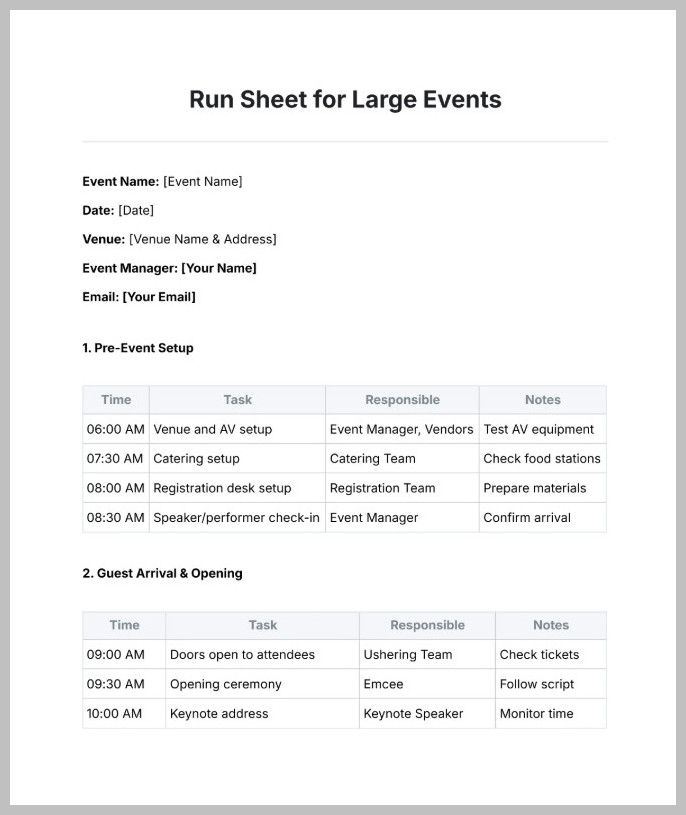
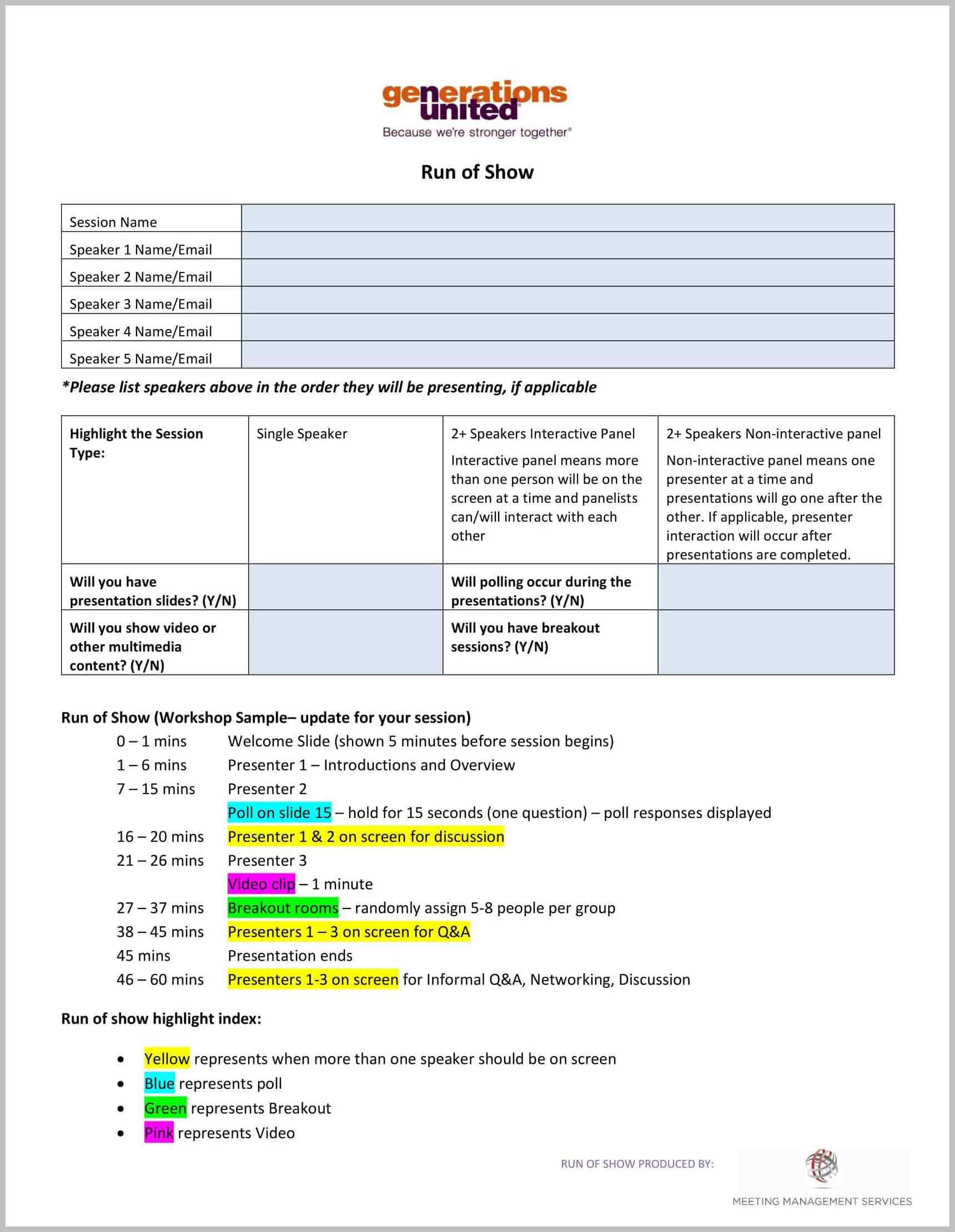
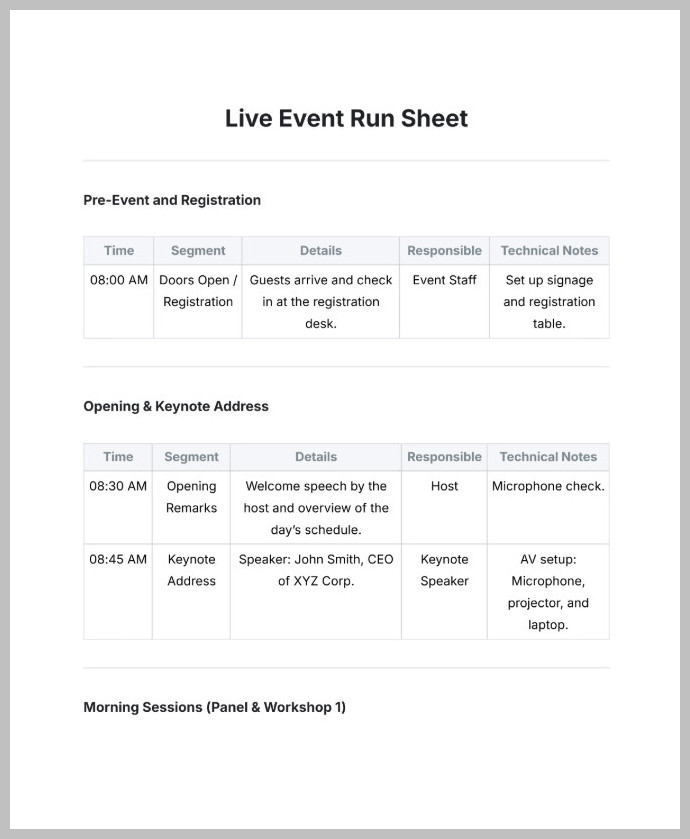
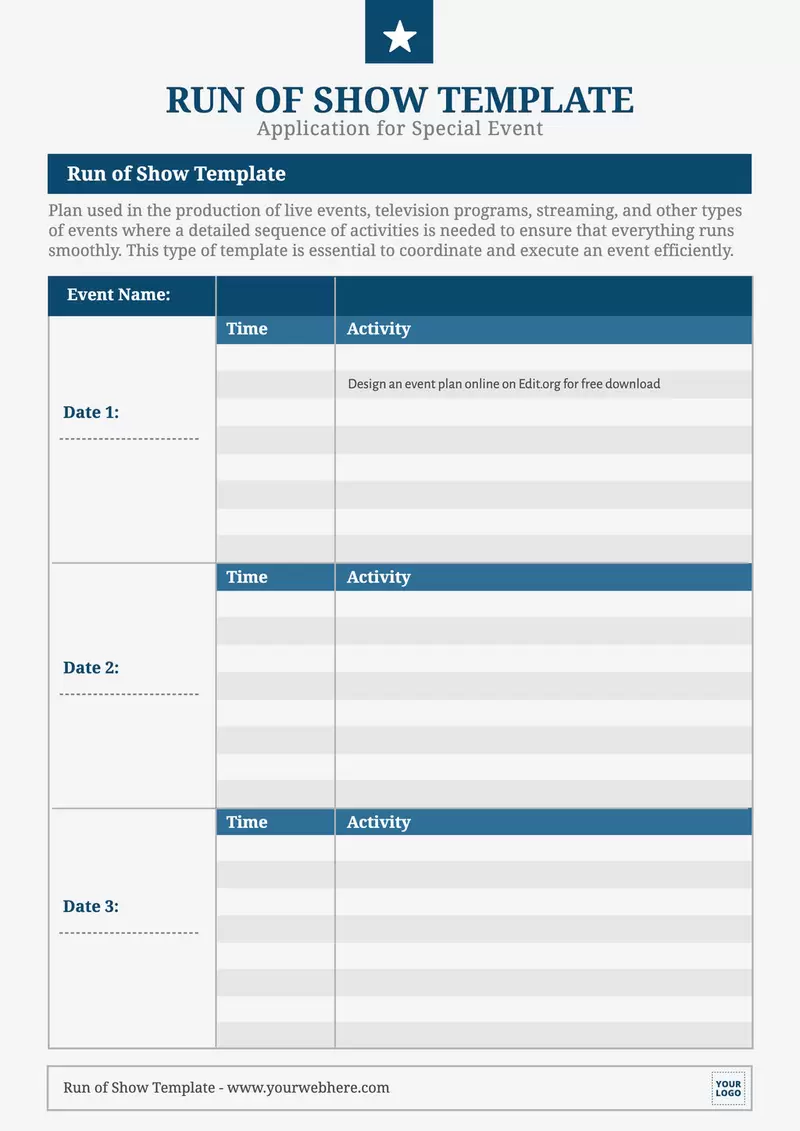
How to Create a Run of Show
Creating a run of show requires careful planning and coordination. Here are some steps to help you create an effective run of show:
1. Define the Event Objectives
Start by clearly defining the objectives and goals of the event. This will help you determine the flow and content of the run of show.
2. Identify Key Segments
Break down the event into key segments or activities, such as opening remarks, presentations, performances, and breaks.
3. Assign Timings
Allocate specific timings for each segment, taking into account the overall duration of the event and any time constraints.
4. Coordinate with Stakeholders
Collaborate with all stakeholders, including speakers, performers, technicians, and event staff, to ensure everyone is aligned with the run of show.
5. Rehearse and Review
Conduct rehearsals to test the run of show and make any necessary adjustments. Review the run of show with all stakeholders to address any concerns or issues.
6. Finalize the Run of Show
Once all details are confirmed, finalize the run of show and distribute it to all team members and participants involved in the event.
Tips for Successful Run of Show
Here are some tips to help you create and execute a successful run of show:
- Stay Flexible: Be prepared to make adjustments on the fly if unexpected changes occur during the event.
- Communicate Clearly: Ensure that all team members understand their roles and responsibilities by communicating effectively.
- Include Buffer Time: Allow for extra time between segments to account for any delays or last-minute changes.
- Stay Organized: Keep all run of show documents and materials organized and easily accessible for quick reference.
- Solicit Feedback: After the event, gather feedback from team members and participants to identify areas for improvement in future run of shows.
By following these guidelines and best practices, you can create a comprehensive and effective run of show that will help you seamlessly manage and execute any event or production. Remember, a well-planned run of show is the key to a successful and memorable event!
