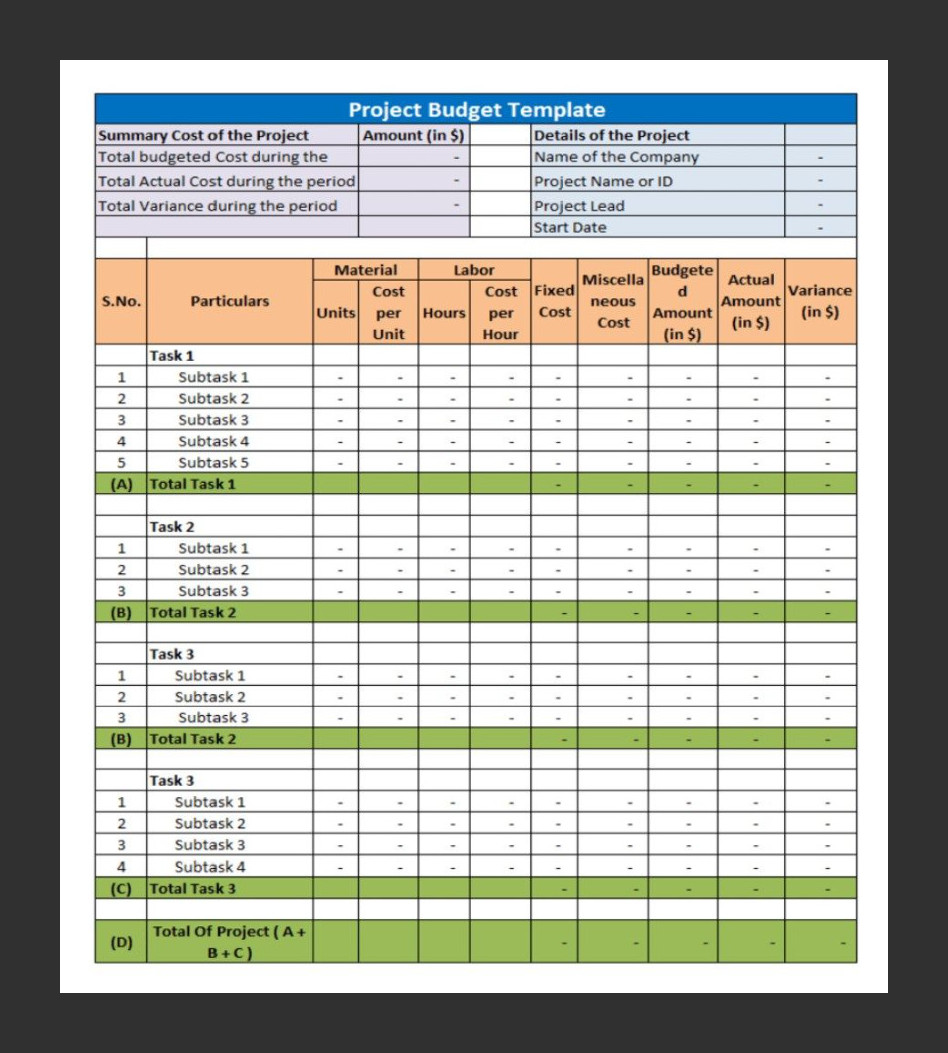
When it comes to managing a project successfully, one of the key elements that can make or break its outcome is the project budget. A well-planned and effectively managed budget is crucial for ensuring that the project stays on track, meets its goals, and delivers results within the set financial constraints. In this guide, we will delve into the world of project budgets, exploring what they are, why they are important, key elements to consider, how to create one, and tips for successful budget management.
What is a Project Budget?
A project budget is a detailed financial plan that outlines all the costs associated with executing a project. It includes estimates of expenses such as labor, materials, equipment, services, and any other resources required to complete the project. The budget serves as a roadmap for financial allocation, ensuring that funds are used efficiently and effectively throughout the project’s lifecycle.
Why is a Project Budget Important?
A project budget is essential for several reasons:
- Financial Control: It helps to track and control costs, preventing overspending and ensuring that the project remains within budget.
- Resource Allocation: It assists in allocating resources effectively, optimizing the use of available funds and minimizing waste.
- Risk Management: It helps in identifying potential financial risks and developing strategies to mitigate them, reducing the likelihood of budget overruns.
- Stakeholder Communication: It provides transparency to stakeholders, giving them a clear understanding of the project’s financial status and progress.
Key Elements of a Project Budget
When creating a project budget, there are several key elements to consider:
- Direct Costs: These are costs directly related to the project, such as labor, materials, and equipment.
- Indirect Costs: These are costs that are not directly attributable to the project but are necessary for its execution, such as overhead expenses.
- Contingency Reserve: This is a buffer set aside for unexpected expenses or changes in the project scope.
- Profit Margin: This is the amount added to the total costs to ensure a profit for the project.
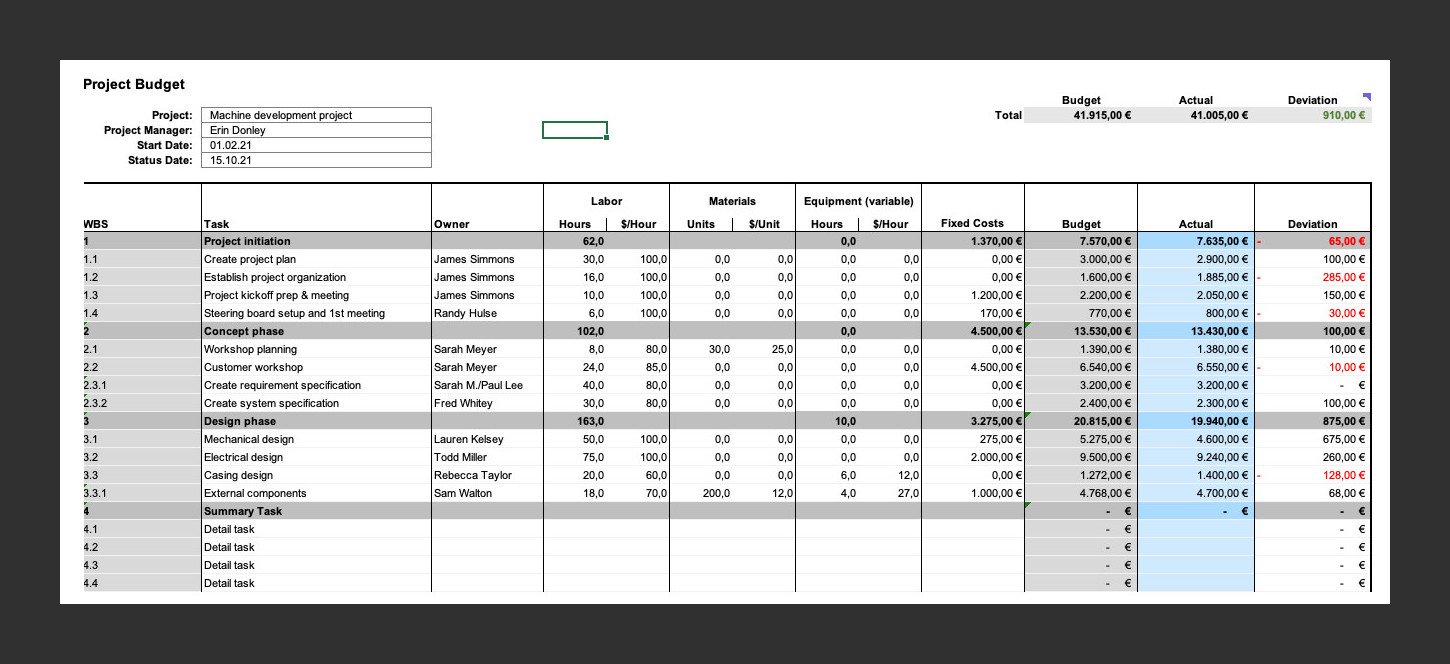
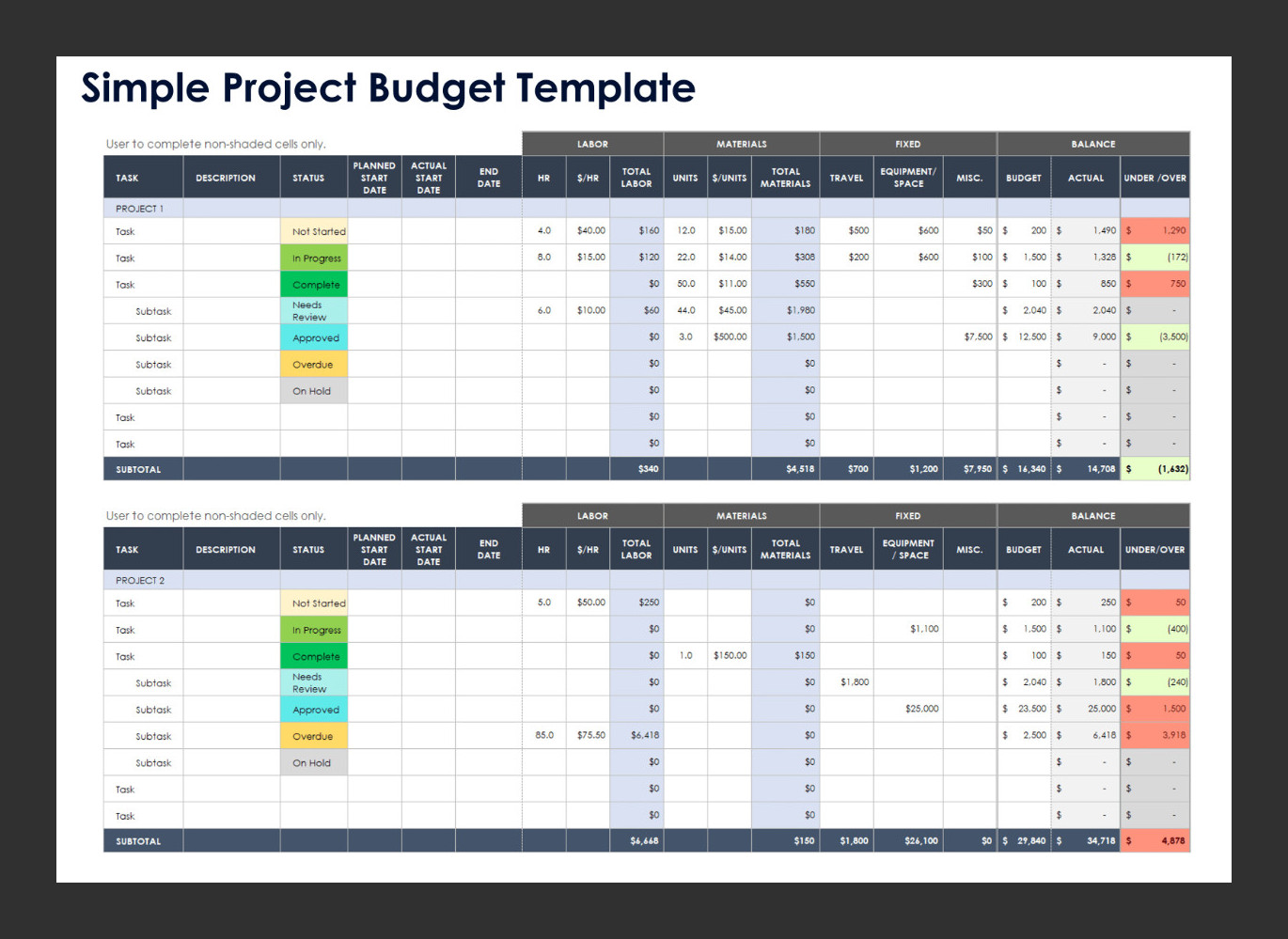
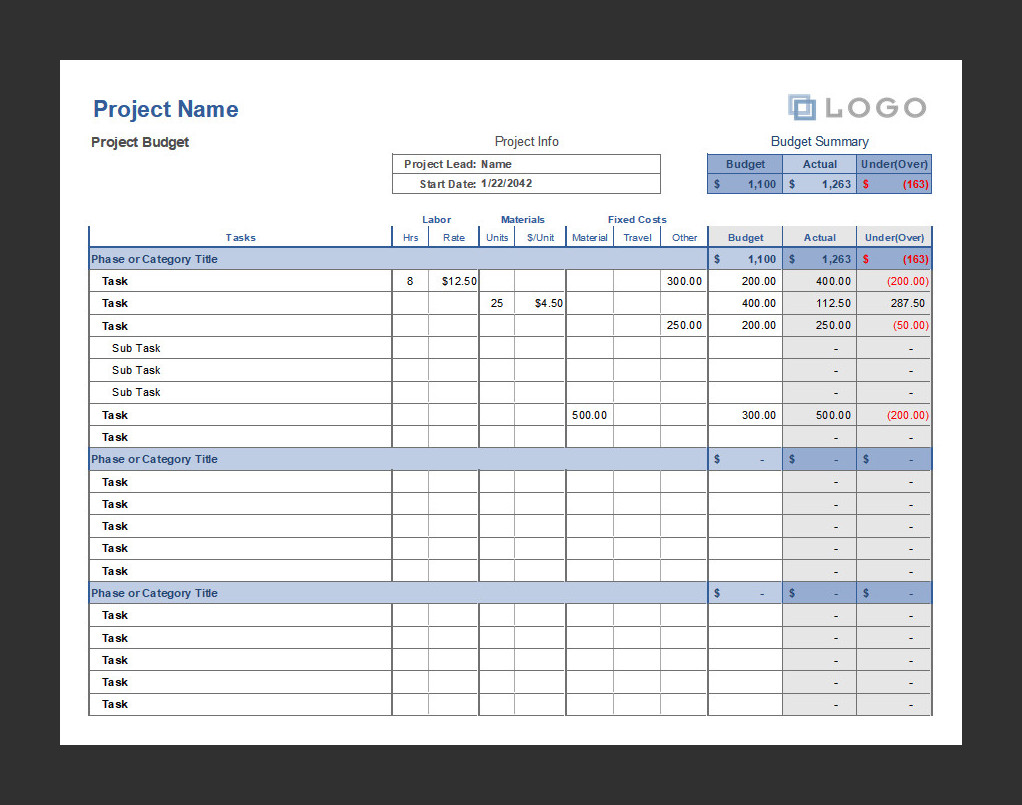
Examples
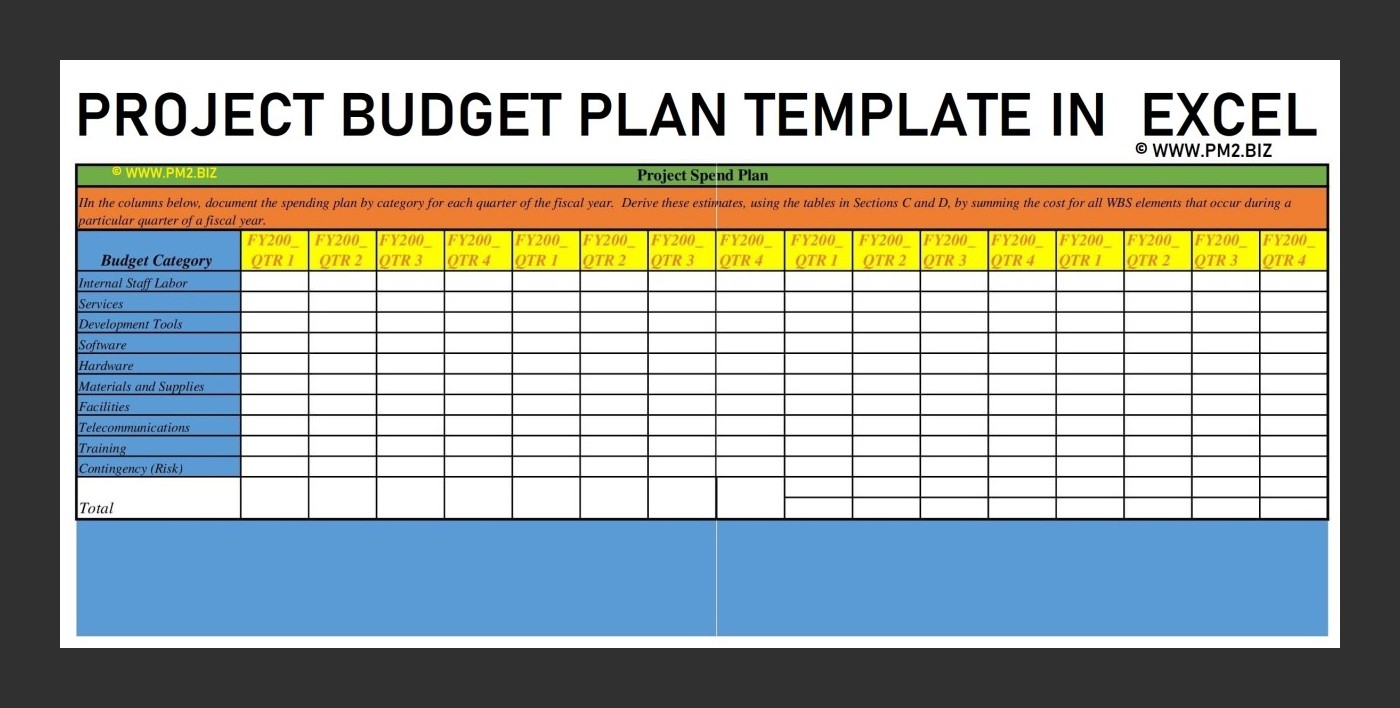
How to Create a Project Budget
Creating a project budget involves several steps:
1. Define the Scope:
Clearly define the project scope, objectives, deliverables, and timeline to determine the resources required.
2. Estimate Costs:
Estimate the costs for each activity or task in the project, considering labor, materials, equipment, and other expenses.
3. Allocate Resources:
Allocate resources based on the estimated costs, ensuring that the budget is realistic and achievable.
4. Monitor and Control:
Regularly monitor and control project expenses, tracking actual costs against the budget and making adjustments as needed.
5. Communicate with Stakeholders:
Keep stakeholders informed about the budget status, highlighting any deviations and discussing potential solutions.
6. Review and Adjust:
Periodically review the budget to identify areas for improvement and make adjustments to ensure financial success.
Tips for Successful Budget Management
Here are some tips for effectively managing a project budget:
- Plan Ahead: Take the time to create a detailed budget plan before starting the project to avoid surprises later on.
- Track Expenses: Monitor expenses regularly and track them against the budget to identify any deviations early on.
- Be Flexible: Be prepared to adjust the budget as necessary to accommodate changes in the project scope or unexpected expenses.
- Engage Stakeholders: Involve stakeholders in the budgeting process and keep them informed about financial decisions and outcomes.
- Use Project Management Tools: Utilize project management software or tools to help track expenses, manage resources, and generate reports for better budget oversight.
By mastering the art of project budgeting, you can increase the likelihood of project success, achieve your goals within budget constraints, and deliver results that meet or exceed expectations. Remember, a well-planned budget is the foundation for a successful project, so invest the time and effort needed to create and manage it effectively.
Project Budget Template – Download
