Freelance writing can be a rewarding career choice for those who have a passion for words and creativity. However, it’s important to protect yourself and your work by having a freelance writer contract in place.
In this comprehensive guide, we will cover everything you need to know about freelance writer contracts, including why they are important, what to include in a contract, how to create one, tips for negotiating contracts, and much more. Whether you’re new to freelance writing or a seasoned professional, this guide will help you navigate the world of contracts with confidence.
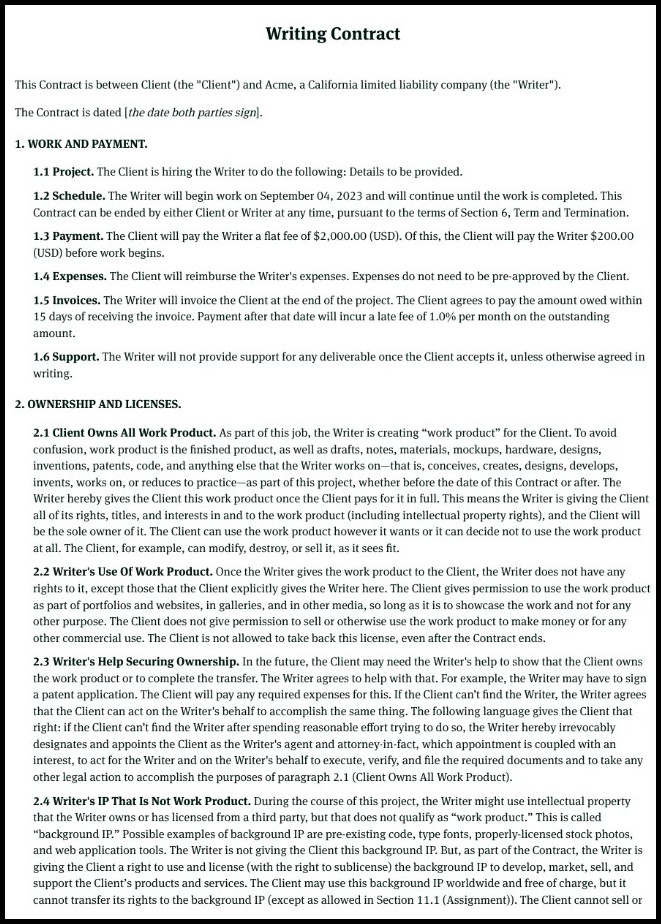
What is a Freelance Writer Contract?
A freelance writer contract is a legally binding agreement between a writer and a client that outlines the terms and conditions of their working relationship. This contract serves as a roadmap for the project, detailing important information such as project scope, deadlines, payment terms, copyright ownership, and more. Having a written contract in place helps protect both parties and ensures that everyone is on the same page regarding expectations and responsibilities.
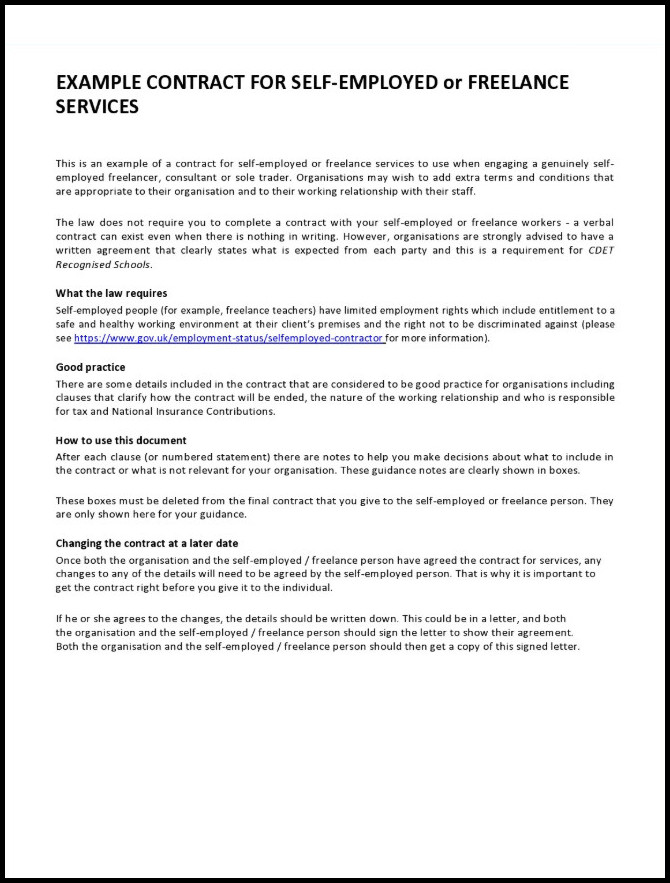
Why Freelance Writer Contracts are Important
Freelance writer contracts are essential for several reasons:
- Clarity: Contracts provide clarity on project details, timelines, and payment terms, reducing the risk of misunderstandings.
- Protection: Contracts protect both the writer and the client by clearly outlining rights, responsibilities, and expectations.
- Legal Recourse: In the event of a dispute, a written contract can serve as evidence of the agreed-upon terms and help resolve conflicts more easily.
- Professionalism: Using contracts demonstrates professionalism and establishes credibility with clients.
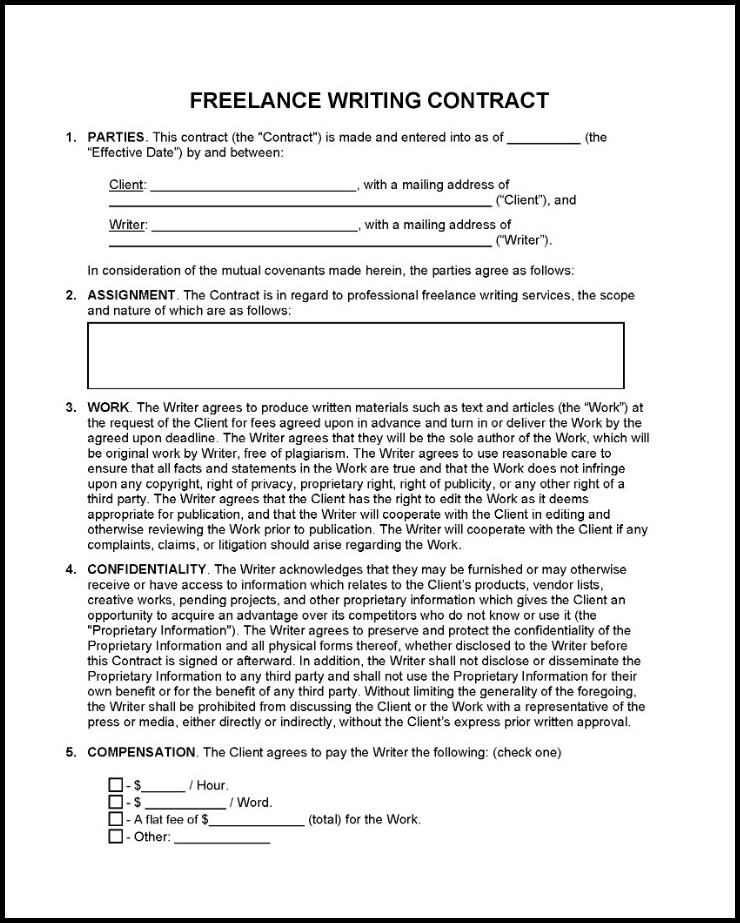
What to Include in a Freelance Writer Contract
When creating a freelance writer contract, it’s important to include the following key elements:
- Project Scope: Clearly define the scope of work, including deliverables, deadlines, and revisions.
- Payment Terms: Outline the payment schedule, rates, and any additional fees or expenses.
- Copyright Ownership: Specify who owns the rights to the work and whether the writer can use it in their portfolio.
- Confidentiality Agreement: Include a clause that protects sensitive information and ensures client confidentiality.
- Termination Clause: Detail the process for terminating the contract, including notice periods and consequences.
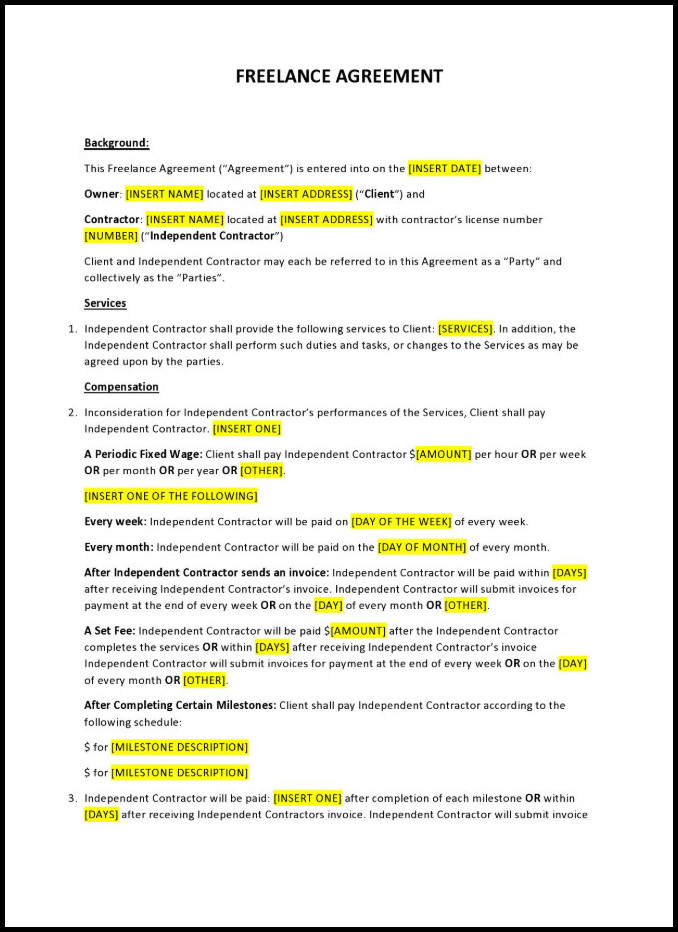
How to Create a Freelance Writer Contract
Creating a freelance writer contract doesn’t have to be complicated. Follow these steps to craft a comprehensive contract:
1. Define the Scope of Work
Clearly outline the project requirements, including deliverables, deadlines, and any specific instructions from the client.
2. Establish Payment Terms
Specify the payment schedule, rates, accepted payment methods, and any late fees or penalties for missed payments.
3. Include Copyright Ownership
Determine who will own the rights to the work, whether it’s the client or the writer, and include this information in the contract.
4. Protect Confidentiality
Include a confidentiality agreement to protect sensitive information and ensure that both parties respect each other’s privacy.
5. Set Clear Communication Expectations
Define how and when communication will take place, including preferred methods of contact and response times.
6. Address Revisions and Edits
Clarify the process for revisions and edits, including how many rounds of revisions are included in the project scope.
7. Include Termination Clause
Detail the process for terminating the contract, including notice periods, reasons for termination, and any consequences for early termination.
8. Review and Revise
Once your contract is drafted, review it carefully to ensure all details are accurate and complete. Make any necessary revisions before presenting it to the client for approval.
9. Sign and Date
Both the writer and the client should sign and date the contract to indicate agreement and acceptance of the terms outlined.
10. Keep a Copy
Make sure to keep a copy of the signed contract for your records and refer to it throughout the project to ensure compliance with the agreed-upon terms.
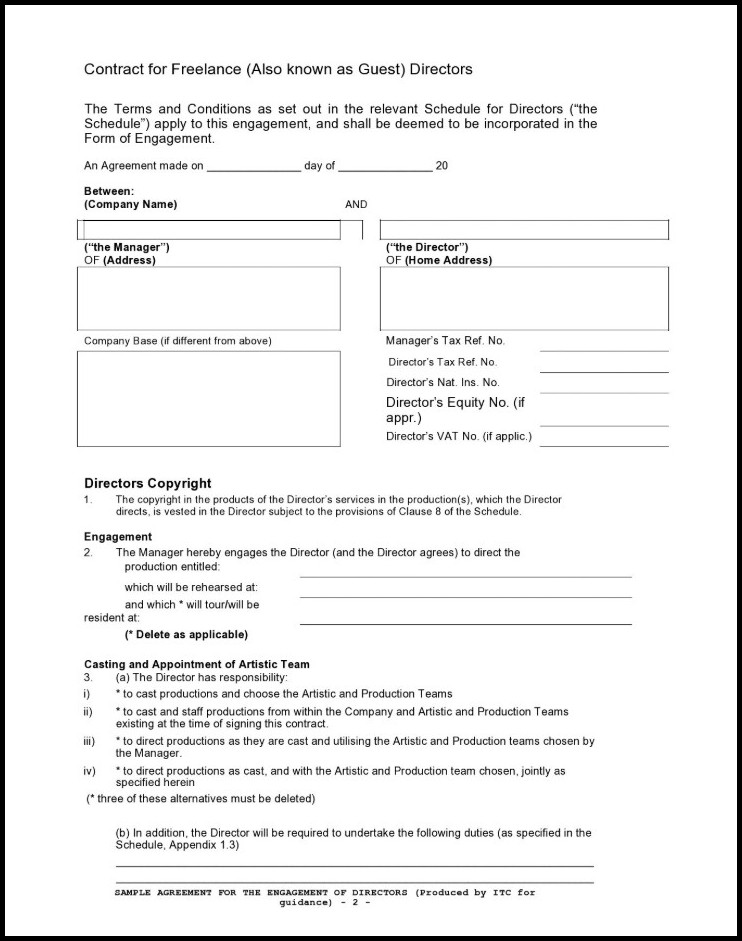
Tips for Negotiating Freelance Writer Contracts
When negotiating freelance writer contracts, keep the following tips in mind:
- Be Clear: Clearly communicate your expectations and requirements to the client.
- Know Your Worth: Research industry standards and set fair rates for your work.
- Get Everything in Writing: Document all agreements and terms in a written contract to avoid misunderstandings.
- Ask Questions: Don’t be afraid to ask questions or seek clarification on any aspects of the contract.
- Seek Legal Advice: If you’re unsure about any legal terms or clauses, consult with a legal professional for guidance.
- Negotiate Responsibly: Approach negotiations with professionalism and respect for the client’s needs and expectations.
- Review Contracts Carefully: Take the time to review contracts thoroughly before signing to ensure you understand and agree to all terms.
By following these tips and guidelines, you can navigate freelance writer contracts with confidence and ensure a successful working relationship with your clients. Remember, contracts are a valuable tool for protecting yourself and your work, so don’t hesitate to create a contract for every freelance writing project you undertake.
