Creating and sticking to a financial budget is essential for achieving financial stability and reaching your long-term financial goals. Many people find budgeting overwhelming or restrictive, but with the right approach, it can actually provide a sense of control and freedom over your finances.
In this guide, we will delve into the what, why, what to include, how to, and tips for effectively managing your financial budget.
What is a Financial Budget?
A financial budget is a plan that outlines your income and expenses over a specific period, typically monthly. It helps you track your spending, prioritize your expenses, and allocate your resources effectively. By creating a budget, you can gain a clear understanding of where your money is going and make informed decisions about how to save and invest for the future.
Why You Need a Financial Budget
Having a financial budget is crucial for several reasons:
- Financial Awareness. A budget gives you a clear picture of your financial situation and helps you identify areas where you can cut back or save more.
- Goal Setting. Budgeting allows you to set financial goals and track your progress towards achieving them.
- Debt Management. A budget can help you pay off existing debts and prevent accumulating new ones.
- Emergency Fund. By budgeting for unexpected expenses, you can build an emergency fund to cushion any financial shocks.
- Financial Discipline. Following a budget encourages financial discipline and responsible spending habits.
What to Include in Your Financial Budget
When creating your financial budget, it’s important to include the following components:
- Income. List all sources of income, including salaries, wages, bonuses, and any other forms of income.
- Expenses. Categorize your expenses into fixed (e.g., rent, utilities) and variable (e.g., groceries, entertainment).
- Savings. Allocate a portion of your income towards savings, including retirement accounts, emergency fund, and other financial goals.
- Debt Repayment. Include any debt repayments, such as credit card balances, student loans, or mortgages.
- Financial Goals. Set specific financial goals, such as saving for a down payment on a house or funding a vacation.
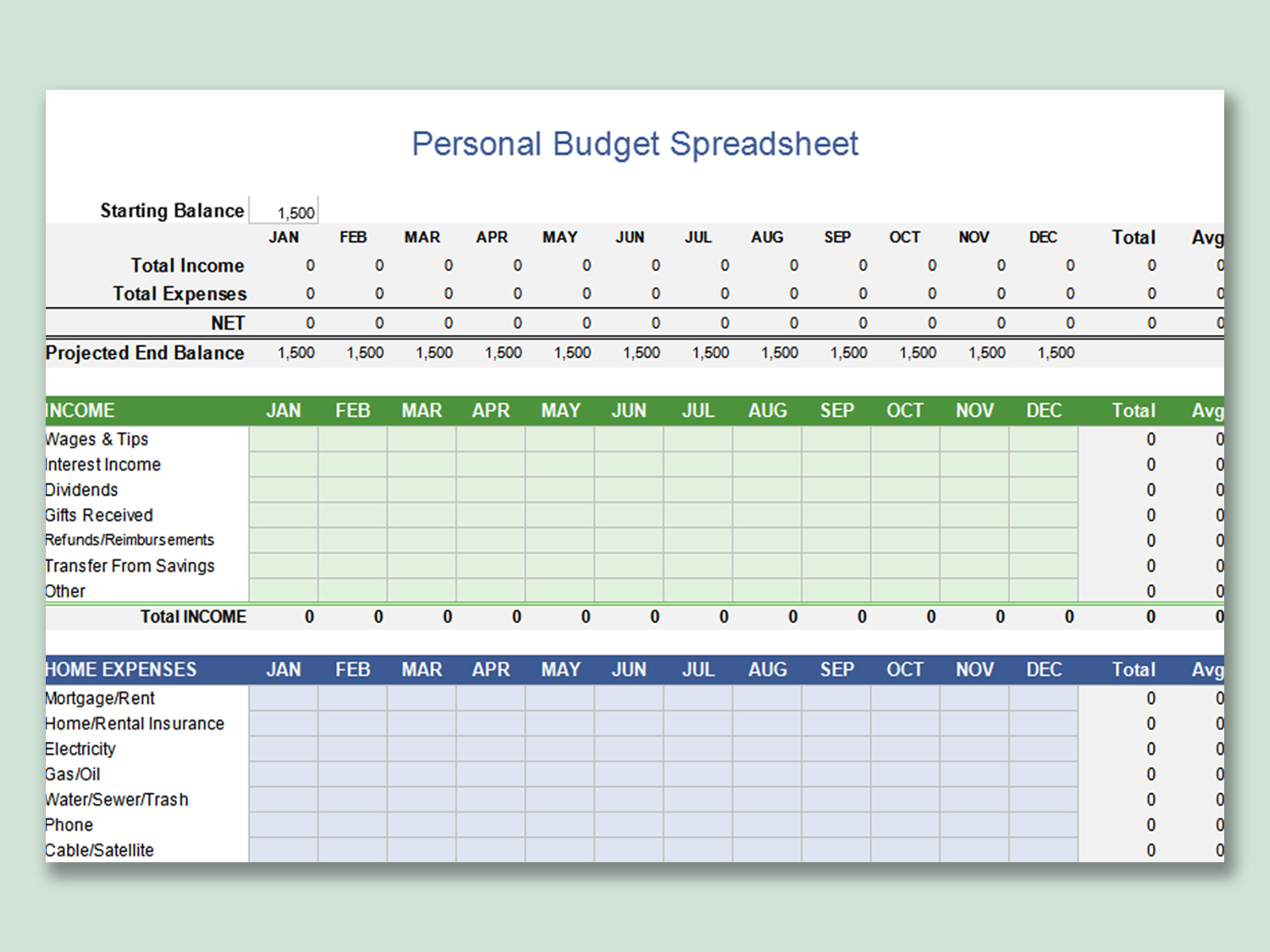
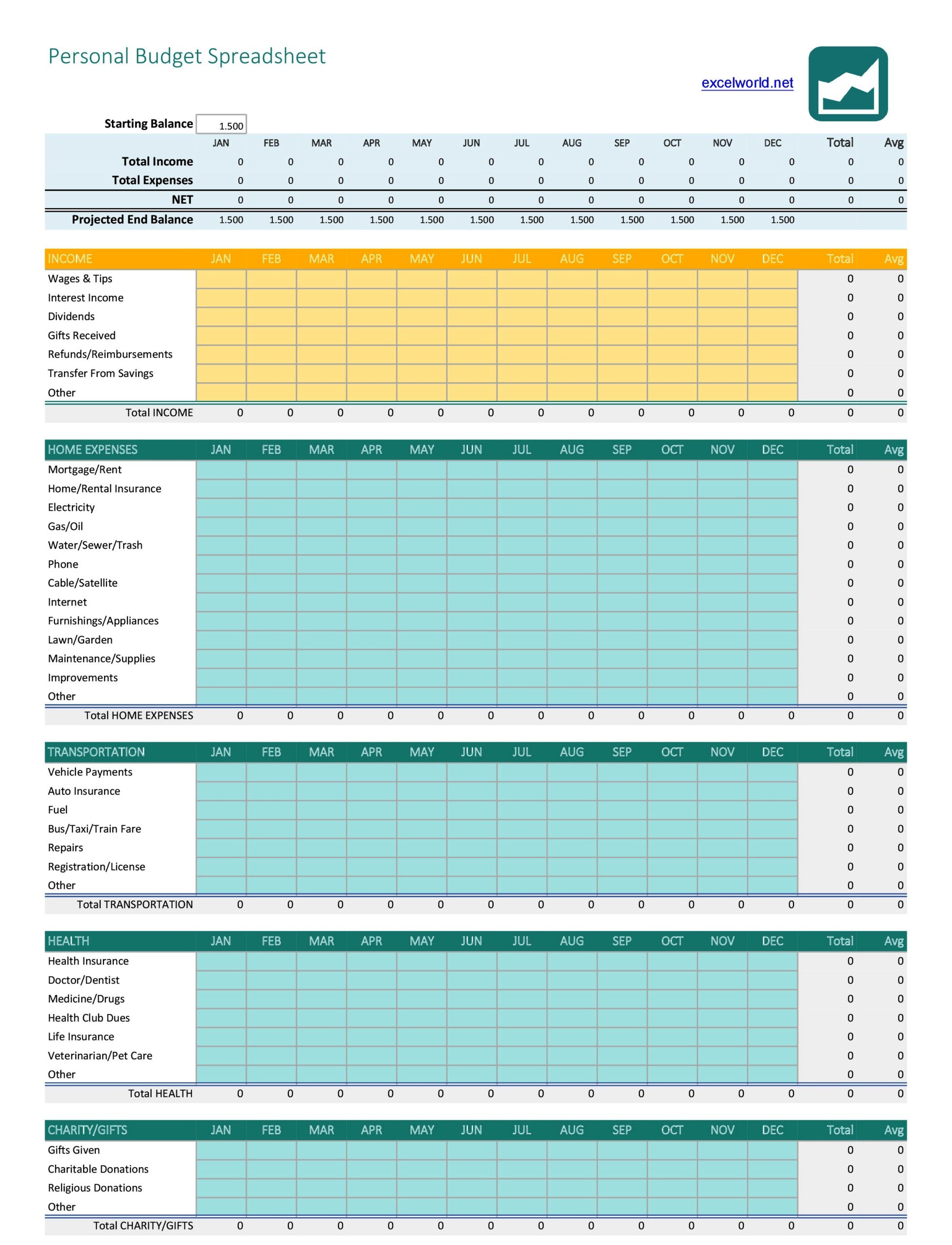
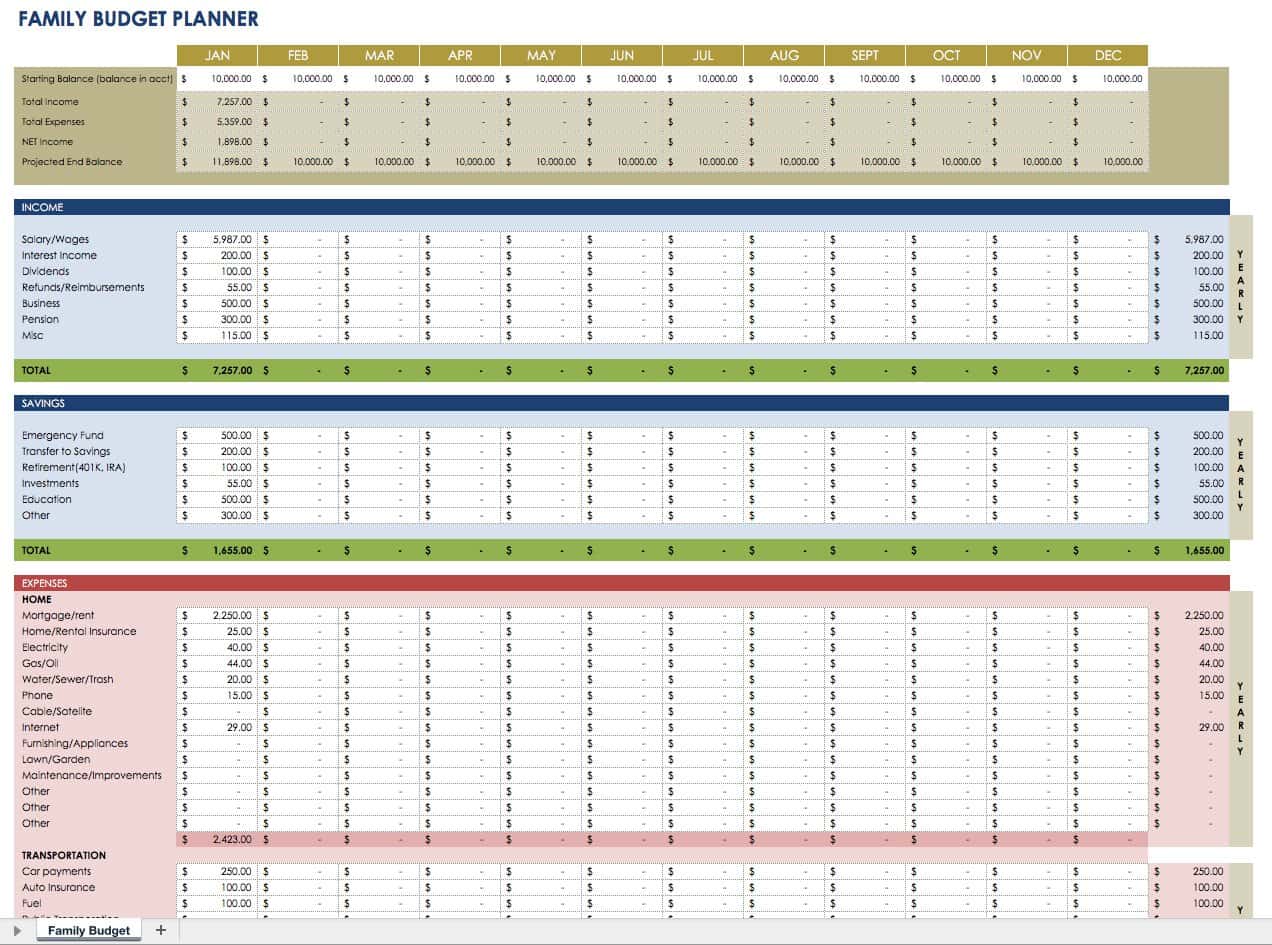
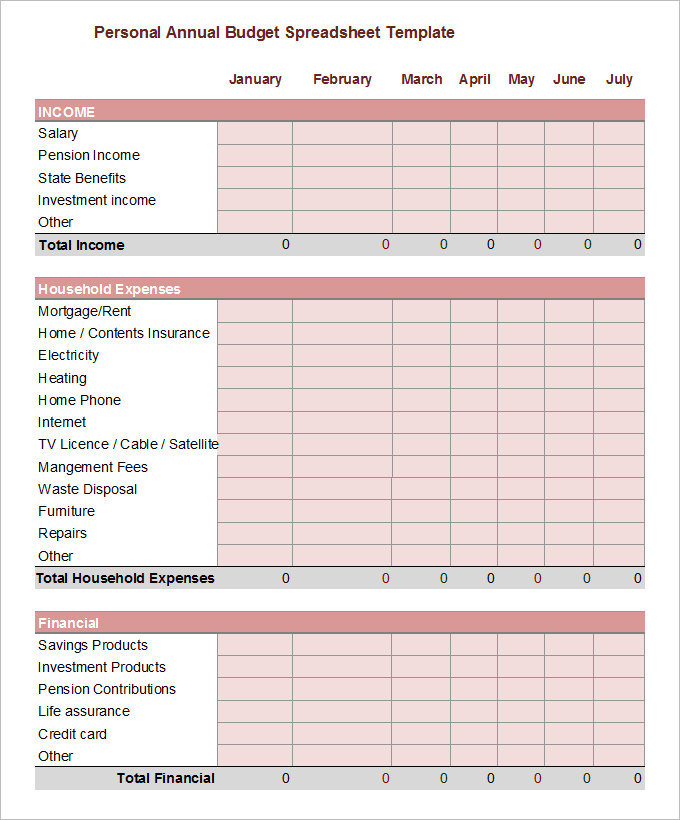
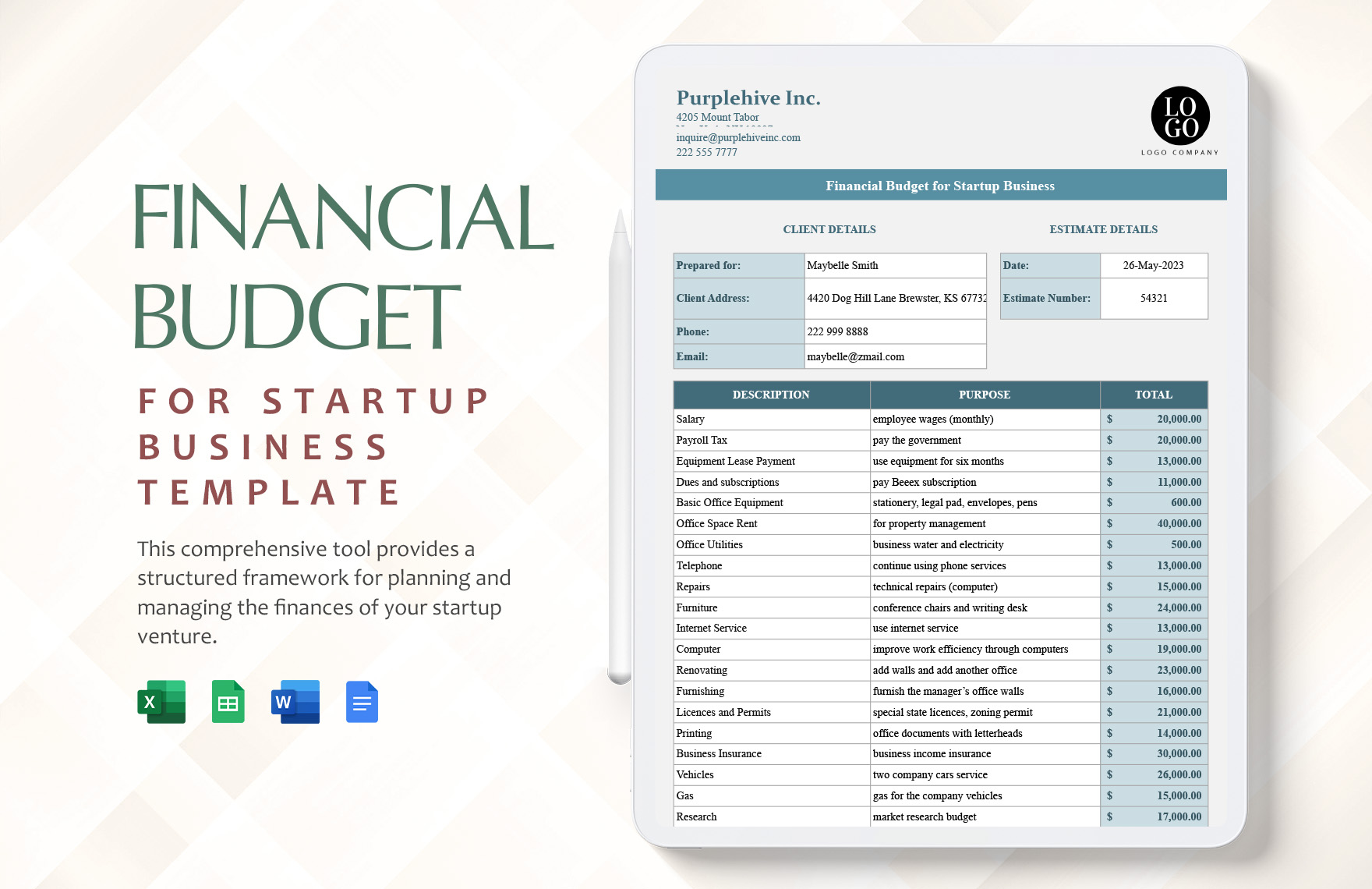
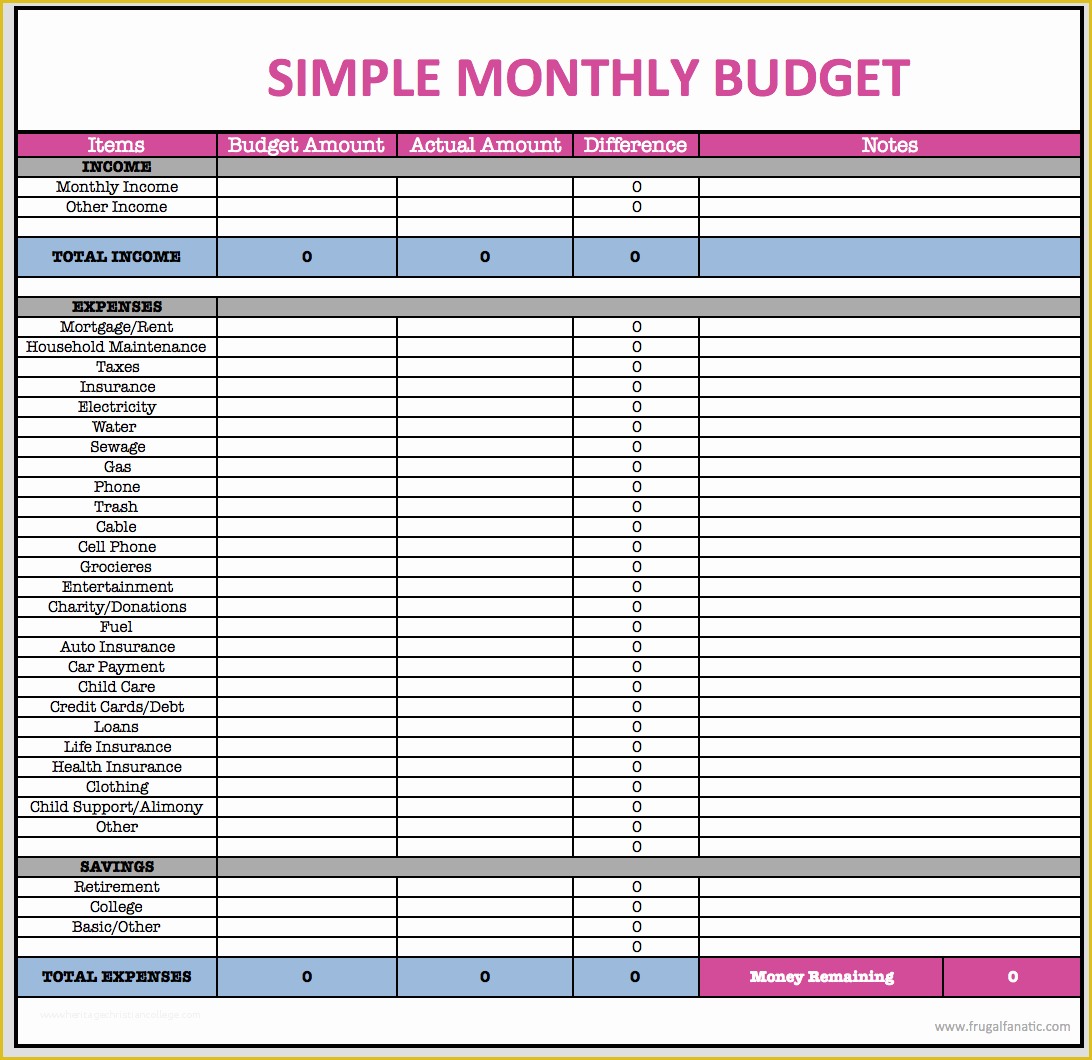
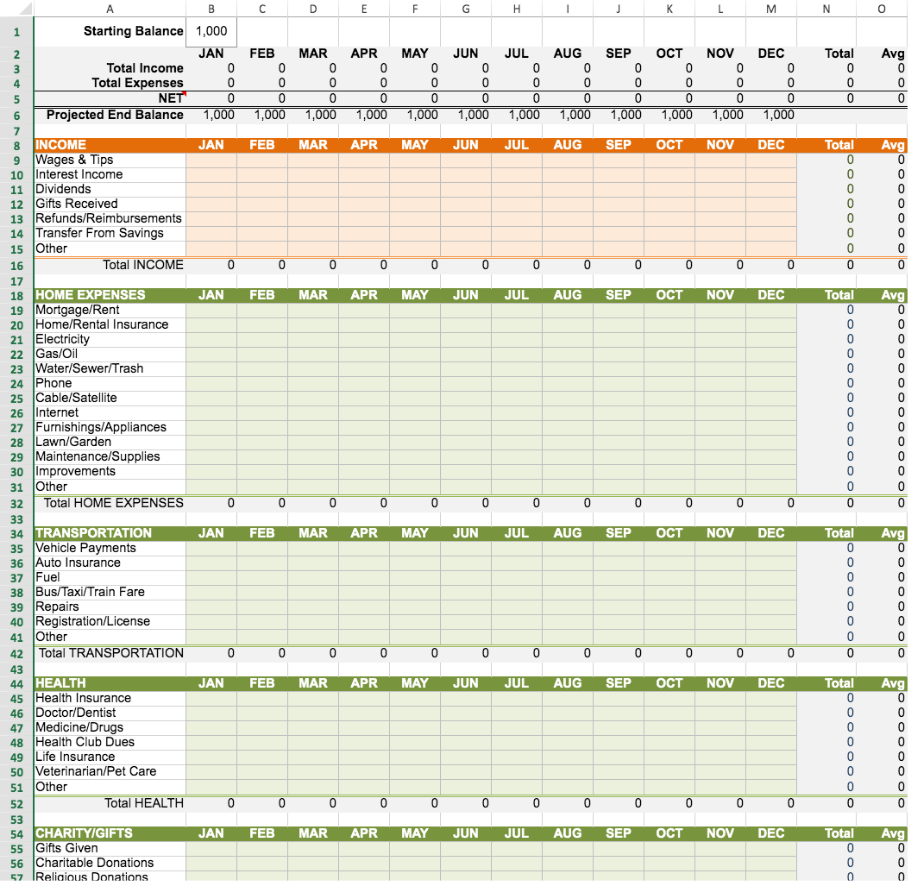
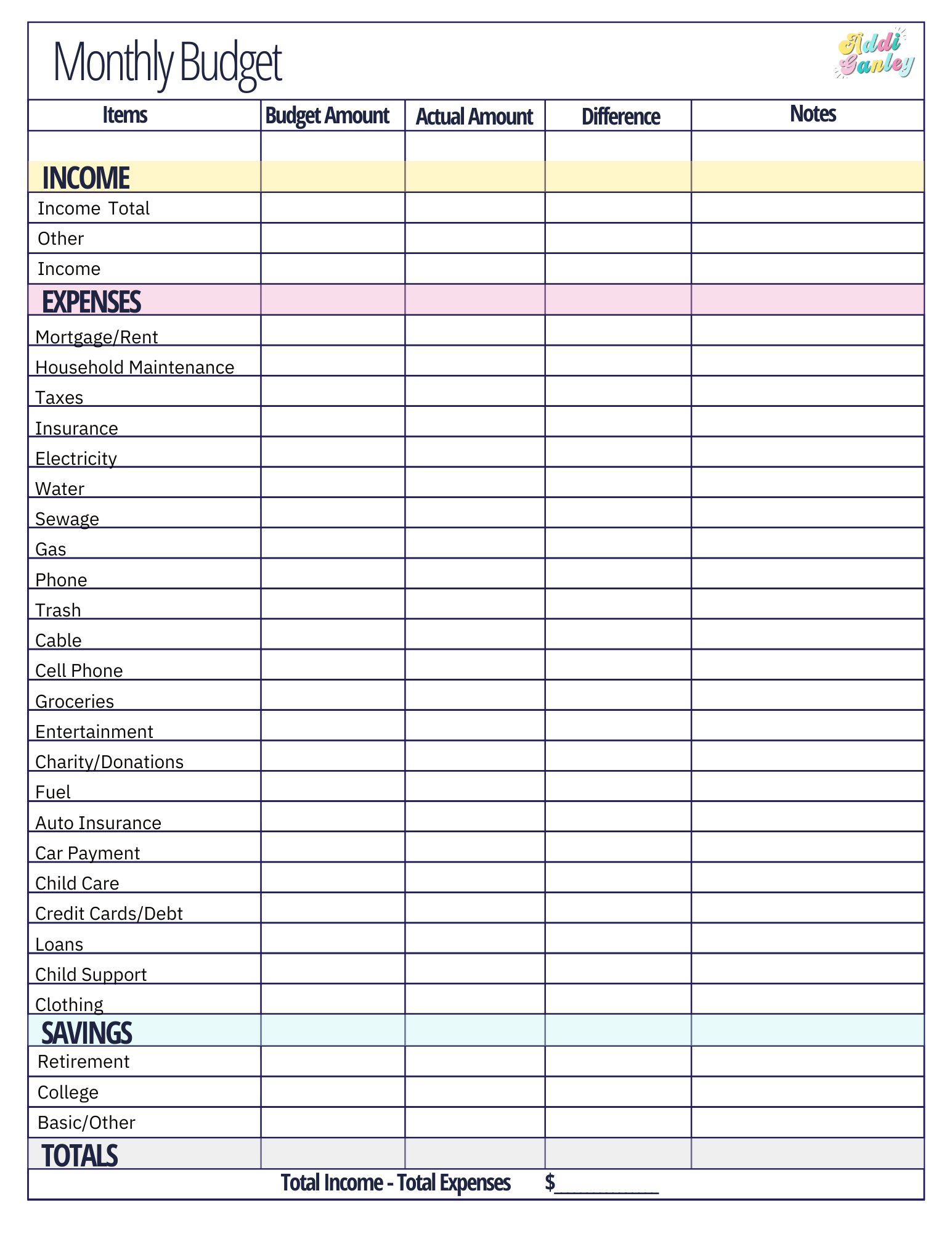
Examples
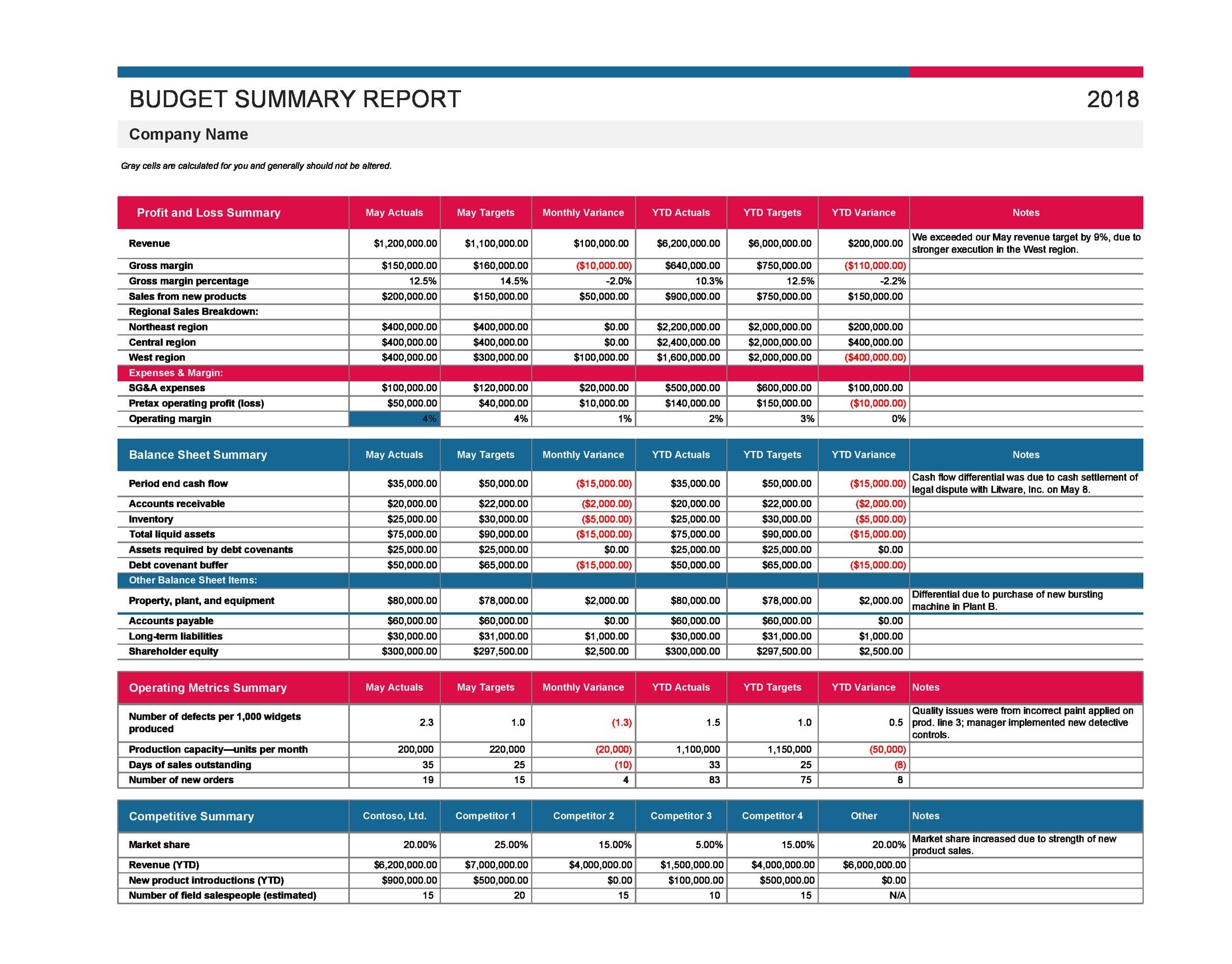
How to Create a Financial Budget
Follow these steps to create an effective financial budget:
1. Calculate Your Income
Determine your total monthly income from all sources, including wages, salaries, bonuses, and any other income streams.
2. List Your Expenses
Record all your monthly expenses, including fixed expenses like rent and utilities, as well as variable expenses like groceries and entertainment.
3. Set Financial Goals
Identify your short-term and long-term financial goals, such as saving for a vacation, buying a house, or retiring comfortably.
4. Allocate Your Income
Distribute your income towards essential expenses, savings, debt repayment, and discretionary spending based on your priorities and financial goals.
5. Track Your Spending
Regularly monitor your expenses and compare them to your budget to identify any areas where you may be overspending.
6. Adjust Your Budget as Needed
Review and revise your budget regularly to accommodate any changes in your income or expenses and stay on track with your financial goals.
7. Build an Emergency Fund
Allocate a portion of your budget towards building an emergency fund to cover unexpected expenses and financial emergencies.
8. Seek Professional Advice
If you’re unsure how to create a budget or need help with financial planning, consider seeking advice from a financial advisor or credit counselor.
9. Stay Committed
Commit to following your budget consistently and make adjustments as needed to ensure you’re meeting your financial goals.
10. Celebrate Your Progress
Recognize and celebrate your achievements as you make progress towards your financial goals, whether it’s paying off debt, reaching a savings milestone, or sticking to your budget consistently.
Tips for Managing Your Financial Budget
Here are some additional tips to help you effectively manage your financial budget:
- Automate Savings. Set up automatic transfers to your savings account to ensure you’re consistently saving money.
- Track Your Expenses. Use budgeting apps or spreadsheets to track your expenses and identify areas where you can cut back.
- Avoid Impulse Purchases. Think carefully before making any impulse purchases and consider whether they align with your financial goals.
- Review Your Budget Regularly. Check your budget regularly to ensure you’re staying on track and adjust as needed.
- Seek Support. Share your financial goals with friends or family members to hold yourself accountable and stay motivated.
- Be Patient. Building wealth and achieving financial goals takes time, so be patient and stay focused on your long-term objectives.
- Celebrate Small Wins. Acknowledge and celebrate small victories along the way to keep yourself motivated and on track.
By following these guidelines and staying committed to your financial budget, you can take control of your finances, reduce financial stress, and work towards a more secure financial future.
