In the realm of healthcare, a Letter of Medical Necessity holds significant importance. It serves as a crucial document that outlines the medical justification for specific treatments, services, or equipment that may not be covered by insurance. Understanding the ins and outs of a Letter of Medical Necessity can make a world of difference in ensuring you receive the care you need.
Let’s delve into the What, Why, and How of this essential document.
What is a Letter of Medical Necessity?
A Letter of Medical Necessity is a written statement from a healthcare provider that explains why a particular treatment, service, or equipment is essential for a patient’s medical condition. This document is typically required by insurance companies to determine if the requested healthcare services are medically necessary and should be covered under the patient’s policy.
The letter should provide detailed information about the patient’s diagnosis, prognosis, and treatment plan, as well as why the requested service or equipment is crucial for the patient’s well-being. It serves as a persuasive argument to convince insurance companies to approve coverage for the recommended medical intervention.
Why is a Letter of Medical Necessity Important?
A Letter of Medical Necessity plays a vital role in the healthcare system by ensuring that patients have access to the care they need. Without this document, insurance companies may deny coverage for essential treatments or equipment, leaving patients with significant out-of-pocket expenses.
By providing a clear and compelling justification for the medical necessity of a particular intervention, healthcare providers can increase the likelihood of insurance approval. This can make a substantial difference in the quality of care that patients receive and alleviate financial burdens on individuals and their families.
What to Include in a Letter of Medical Necessity
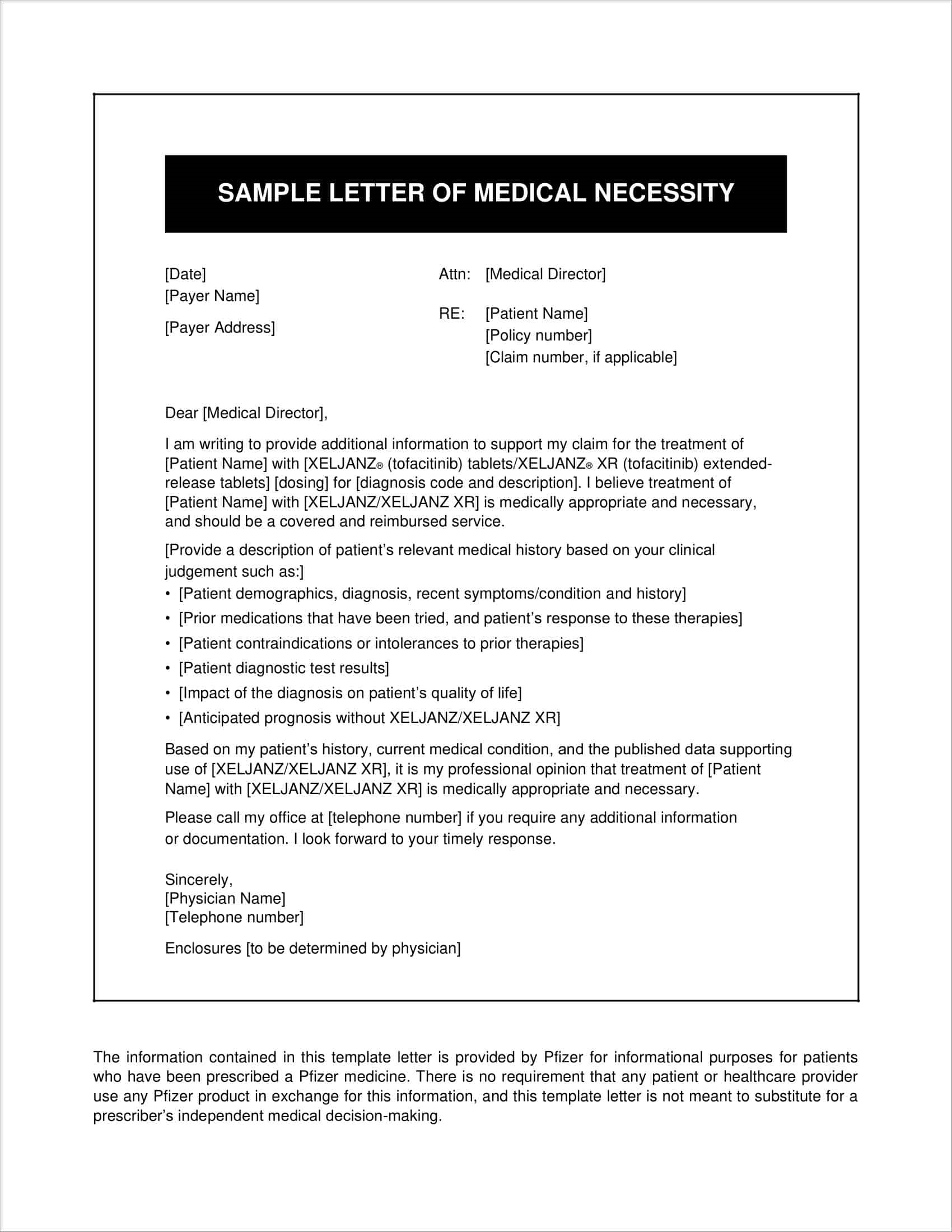
When drafting a Letter of Medical Necessity, it is essential to include specific details that support the medical justification for the requested treatment, service, or equipment. Here are some key components to consider including in the letter:
- Patient Information: Include the patient’s name, date of birth, and insurance information.
- Diagnosis and Prognosis: Clearly state the patient’s medical condition, diagnosis, and expected outcome without the recommended intervention.
- Treatment Plan: Describe the proposed treatment, service, or equipment that is deemed necessary for the patient’s care.
- Medical Justification: Provide a detailed explanation of why the requested intervention is essential for the patient’s health and well-being.
- Provider Information: Include the healthcare provider’s name, credentials, and contact information for verification purposes.
- Supporting Documentation: Attach any relevant medical records, test results, or other supporting documents that bolster the medical necessity argument.
How to Draft a Compelling Letter of Medical Necessity
Crafting a persuasive Letter of Medical Necessity requires attention to detail and a clear, concise writing style. Here are some tips to help you create a compelling document that increases the likelihood of insurance approval:
- Be Specific: Provide detailed information about the patient’s condition, treatment plan, and why the requested intervention is essential.
- Use Clear Language: Avoid medical jargon and use plain language that is easy to understand for insurance reviewers.
- Highlight the Benefits: Emphasize how the recommended treatment, service, or equipment will improve the patient’s quality of life and health outcomes.
- Be Concise: Keep the letter focused and to the point, highlighting the most critical information to support the medical necessity argument.
- Include Supporting Evidence: Attach any relevant medical records, test results, or expert opinions that strengthen the case for medical necessity.
- Follow Guidelines: Review the insurance company’s requirements for a Letter of Medical Necessity and ensure that you address all necessary components in your letter.
Conclusion
In conclusion, a Letter of Medical Necessity is a vital tool in advocating for the healthcare services and equipment that patients need. By understanding what to include in this document, why it is necessary, and how to draft a compelling letter, healthcare providers can effectively make the case for insurance coverage. Taking the time to craft a well-written Letter of Medical Necessity can make a significant difference in ensuring that patients receive the care they deserve.
