When it comes to managing your finances, understanding income and expenses is crucial. Knowing how much money you have coming in and going out is the foundation of financial stability.
In this guide, we will delve into the ins and outs of income and expenses, why they are important, what to include in these categories, how to effectively manage them, and tips for optimizing your financial health.
What are Income and Expenses?
Income refers to the money you earn, whether it’s from your job, investments, or other sources. This is the amount of money that flows into your bank account regularly. On the other hand, expenses are the costs you incur to maintain your lifestyle, including bills, rent, groceries, entertainment, and more.
These are the outflows of money from your bank account to cover your daily needs and wants.
Why are Income and Expenses Important?
Understanding your income and expenses is essential for effective financial planning. By knowing how much money you have coming in and going out, you can create a budget, set financial goals, and make informed decisions about your spending and saving habits.
It also helps you track your financial progress, identify areas where you can cut costs, and ensure that you are living within your means.
What to Include in Income and Expenses?
When categorizing your income, make sure to include all sources of revenue, such as salary, bonuses, freelance work, rental income, dividends, and any other money you receive regularly. For expenses, be sure to account for all your monthly bills, groceries, transportation costs, entertainment, subscriptions, savings contributions, and any other expenditures you have on a regular basis.
How to Manage Income and Expenses?
Managing your income and expenses effectively starts with creating a budget. Start by tracking your spending for a month to get a clear picture of where your money is going. Then, set financial goals, such as saving for a vacation or paying off debt, and allocate your income towards these goals. Monitor your expenses regularly, adjust your budget as needed, and look for ways to increase your income or reduce your expenses to achieve financial stability.
Tips for Optimizing Your Financial Health
- Create a budget: Setting a budget helps you allocate your income towards your priorities and track your expenses.
- Save for emergencies: Building an emergency fund can help you cover unexpected expenses without going into debt.
- Pay yourself first: Prioritize saving for your future by setting aside a portion of your income before paying your bills.
- Avoid unnecessary expenses: Cut back on non-essential spending to free up money for savings or investments.
- Review your finances regularly: Check in on your income and expenses regularly to stay on track with your financial goals.
- Seek professional advice: If you’re struggling to manage your finances, consider consulting a financial advisor for guidance.
- Automate your savings: Set up automatic transfers to your savings account to make saving effortless.
- Track your progress: Monitor your financial goals and celebrate your achievements along the way to stay motivated.
- Be mindful of your spending: Practice mindful spending by questioning your purchases and focusing on what truly brings you joy.
Conclusion
Income and expenses are the building blocks of financial well-being. By understanding your sources of income, tracking your expenses, and managing your finances effectively, you can achieve financial stability and work towards your long-term goals. By following the tips outlined in this guide, you can optimize your financial health and set yourself up for a secure financial future.
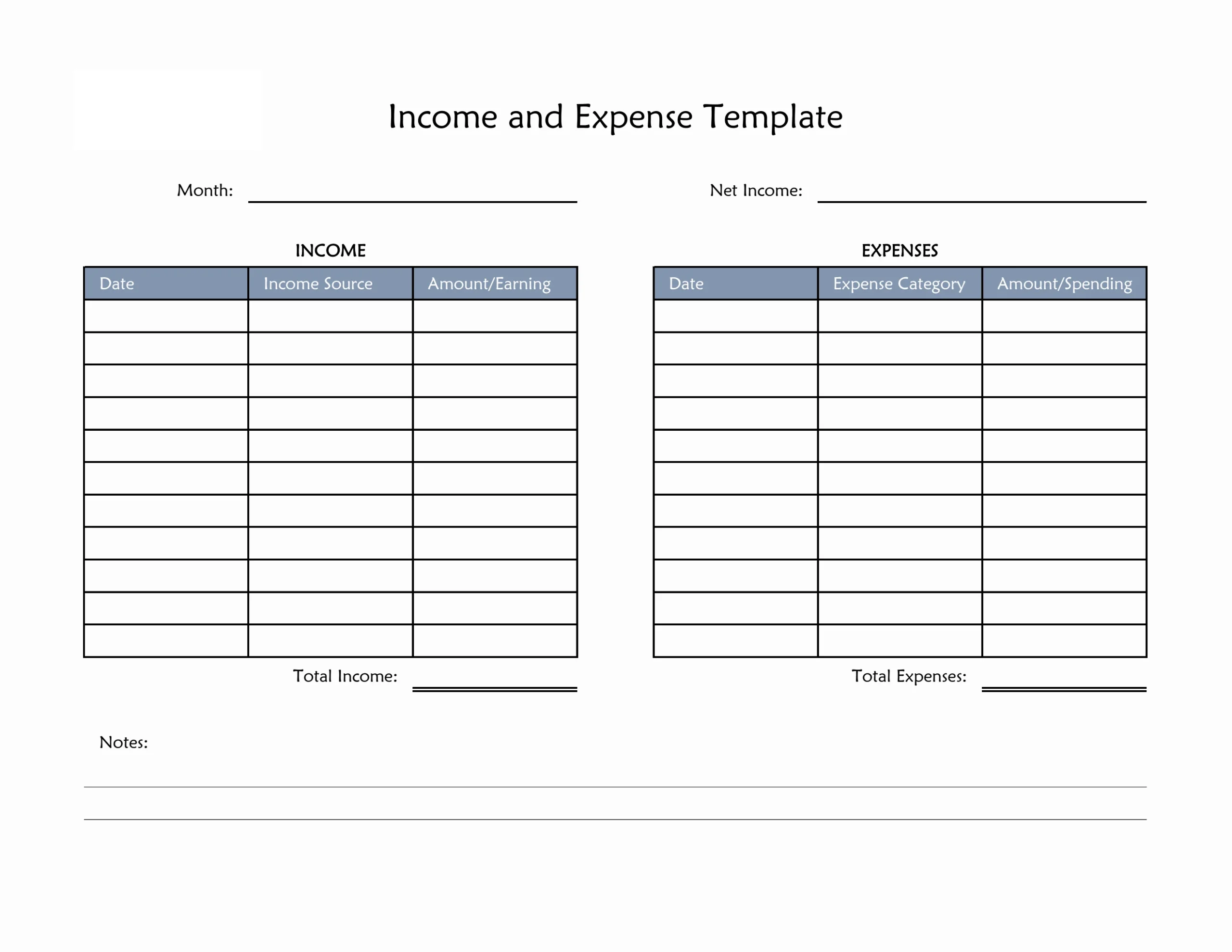
Income And Expense Template – Free Download
